Pain Care

What Is Prolotherapy and How Is It Used for Pain?

What Is Prolotherapy and How Is It Used for Pain?

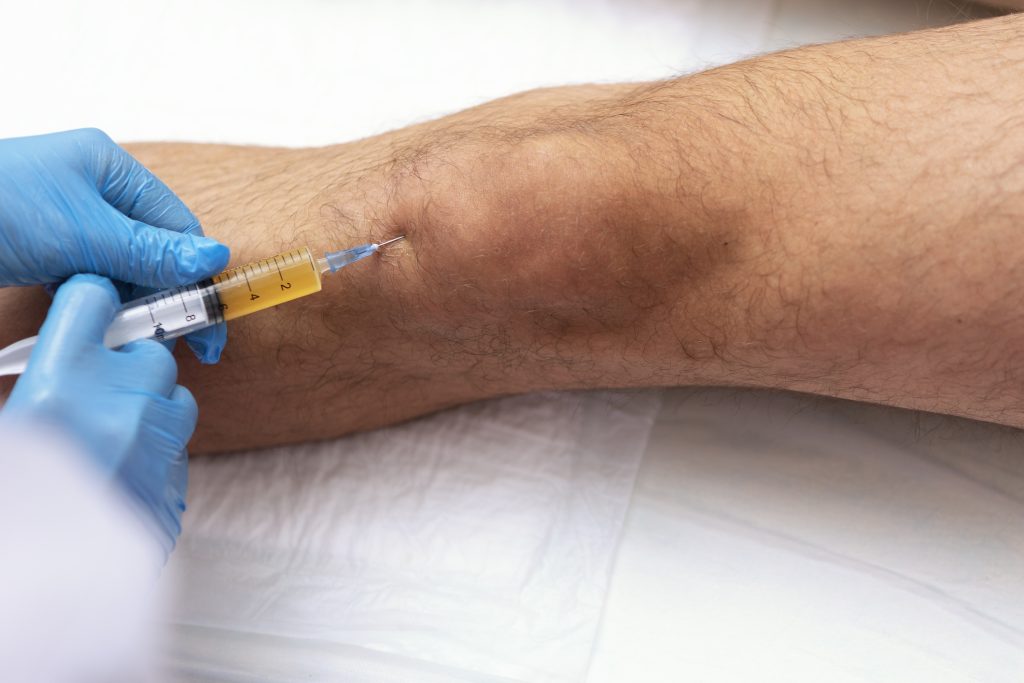
When you're hurting, especially if it's chronic pain, it's natural to look for treatments that can make the pain stop. But what if the source of the pain involves a tendon, ligament or joint that has been injured, weakened or damaged by wear and tear? When rest, physical therapy or other conservative treatments haven't provided

What Is Prolotherapy and How Is It Used for Pain? Read More »
Who Is a Good Candidate for Regenerative Medicine?

Who Is a Good Candidate for Regenerative Medicine?

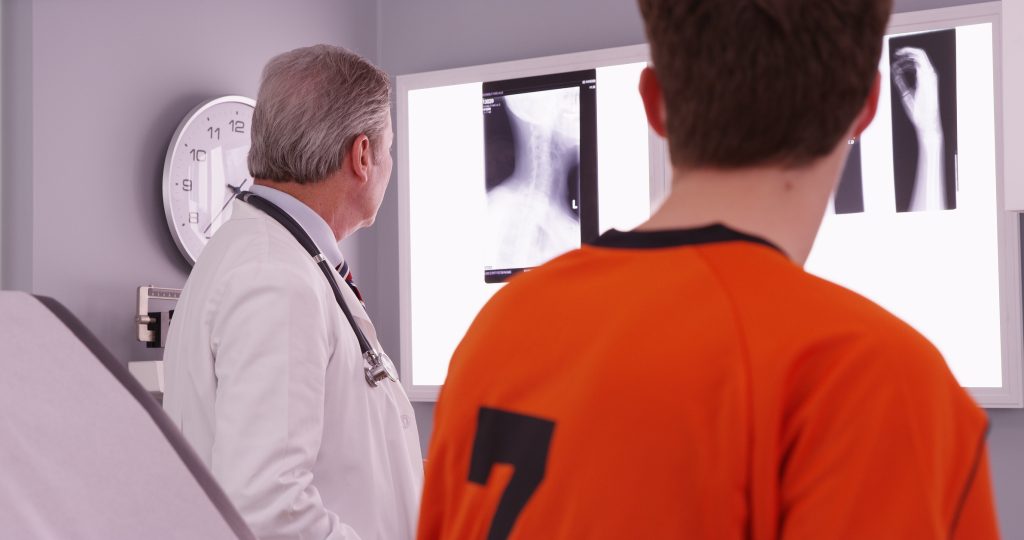
When joint pain, an injury or a chronic condition keeps interfering with your life, surgery may begin to feel inevitable. But it is not always the next or only step. Regenerative medicine offers nonsurgical treatment options for certain painful joint, tendon, ligament, muscle and spinal conditions. And despite what the name may suggest, these treatments

Who Is a Good Candidate for Regenerative Medicine? Read More »

How Long Does PRP Take to Work for Pain?

How Long Does PRP Take to Work for Pain?

When pain keeps you sidelined, waiting for relief can be frustrating. If you are considering platelet-rich plasma (PRP) therapy, you probably want to know how quickly you will notice a difference. PRP injections usually do not provide immediate relief. Some patients notice improvement within a few weeks, while others need several months. Your timeline depends

How Long Does PRP Take to Work for Pain? Read More »

What Patients Often Misunderstand About Pain Management

What Patients Often Misunderstand About Pain Management

When you hear the words “pain management,” do you envision prescription medications and not much else? When you finally received a long-awaited diagnosis, did you expect it to come with an automatic cure? Have you ever worried that if imaging doesn’t show a clear problem, your doctor might conclude that your pain is “all in

What Patients Often Misunderstand About Pain Management Read More »

How Early Intervention Can Prevent Chronic Pain Cycles

How Early Intervention Can Prevent Chronic Pain Cycles

Most people expect pain to improve as an injury heals or inflammation subsides. In many cases, that is exactly what happens. Sometimes, pain doesn’t follow the typical healing timeline. Instead of gradually improving, pain can linger for weeks or months and begin affecting sleep, mobility, work, and daily activities. This is where early intervention becomes

How Early Intervention Can Prevent Chronic Pain Cycles Read More »

How Lifestyle Habits Can Quiet or Amplify Pain Signals

How Lifestyle Habits Can Quiet or Amplify Pain Signals

Chronic pain is rarely caused by just one thing. Even when there’s a clear diagnosis like arthritis, nerve irritation, spinal degeneration, or an old injury, your daily habits can still affect how intense your symptoms feel. Some habits help calm the nervous system and reduce stress on the body, while others can slowly increase tension,

How Lifestyle Habits Can Quiet or Amplify Pain Signals Read More »

Why Chronic Pain Can Change Movement Patterns

Why Chronic Pain Can Change Movement Patterns

When your body hurts, movement changes almost automatically. You don’t usually have to think about it. You shift your weight differently, brace yourself before standing up, avoid certain motions, or move more slowly without even realizing it. In the beginning, these adjustments are often protective. Your body is trying to help you avoid further injury.[1]

Why Chronic Pain Can Change Movement Patterns Read More »

Scroll to Top