Joint Pain

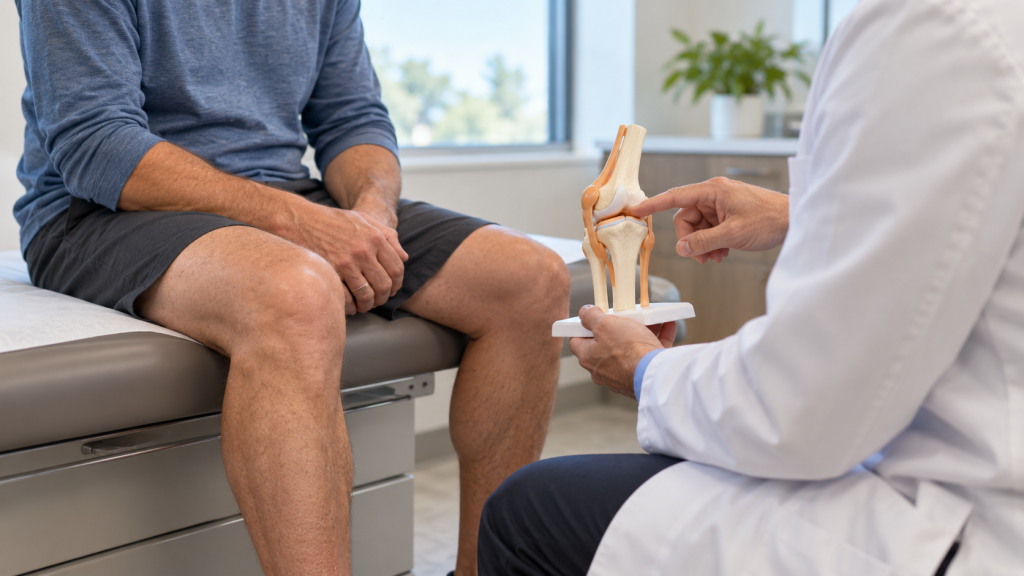
Patient discussing regenerative medicine options for knee pain with a clinician

Can Regenerative Medicine Help Delay Joint Surgery?

When your knee hurts every time you climb the stairs or your shoulder keeps you from doing what you enjoy, it’s no surprise you'd consider surgery. Surgery might seem like your only option for relief. Sometimes it is. But joint replacement or another orthopedic surgery isn’t always the next step. Regenerative medicine offers another option.

Can Regenerative Medicine Help Delay Joint Surgery? Read More »

What Is Prolotherapy and How Is It Used for Pain?

What Is Prolotherapy and How Is It Used for Pain?

When you're hurting, especially if it's chronic pain, it's natural to look for treatments that can make the pain stop. But what if the source of the pain involves a tendon, ligament or joint that has been injured, weakened or damaged by wear and tear? When rest, physical therapy or other conservative treatments haven't provided

What Is Prolotherapy and How Is It Used for Pain? Read More »

Who Is a Good Candidate for Regenerative Medicine?

Who Is a Good Candidate for Regenerative Medicine?

When joint pain, an injury or a chronic condition keeps interfering with your life, surgery may begin to feel inevitable. But it is not always the next or only step. Regenerative medicine offers nonsurgical treatment options for certain painful joint, tendon, ligament, muscle and spinal conditions. And despite what the name may suggest, these treatments

Who Is a Good Candidate for Regenerative Medicine? Read More »

How Long Does PRP Take to Work for Pain?

How Long Does PRP Take to Work for Pain?

When pain keeps you sidelined, waiting for relief can be frustrating. If you are considering platelet-rich plasma (PRP) therapy, you probably want to know how quickly you will notice a difference. PRP injections usually do not provide immediate relief. Some patients notice improvement within a few weeks, while others need several months. Your timeline depends

How Long Does PRP Take to Work for Pain? Read More »

Why Chronic Pain Can Change Movement Patterns

Why Chronic Pain Can Change Movement Patterns

When your body hurts, movement changes almost automatically. You don’t usually have to think about it. You shift your weight differently, brace yourself before standing up, avoid certain motions, or move more slowly without even realizing it. In the beginning, these adjustments are often protective. Your body is trying to help you avoid further injury.[1]

Why Chronic Pain Can Change Movement Patterns Read More »

Early Warning Signs That Acute Pain Is Becoming Chronic

Early Warning Signs That Acute Pain Is Becoming Chronic

When Minor Pain Turns Into Major Pain Symptoms Pain doesn’t announce itself before crossing the line from temporary to long-term. There’s no loud fanfare or clear “this is chronic now” moment. Instead, it sneaks in quietly, slowly infiltrating every aspect of your life. It starts with little things. You skip a walk because you don’t

Early Warning Signs That Acute Pain Is Becoming Chronic Read More »

How Doctors Use MRI Before Giving an Injection

How Doctors Use MRI Before Giving an Injection

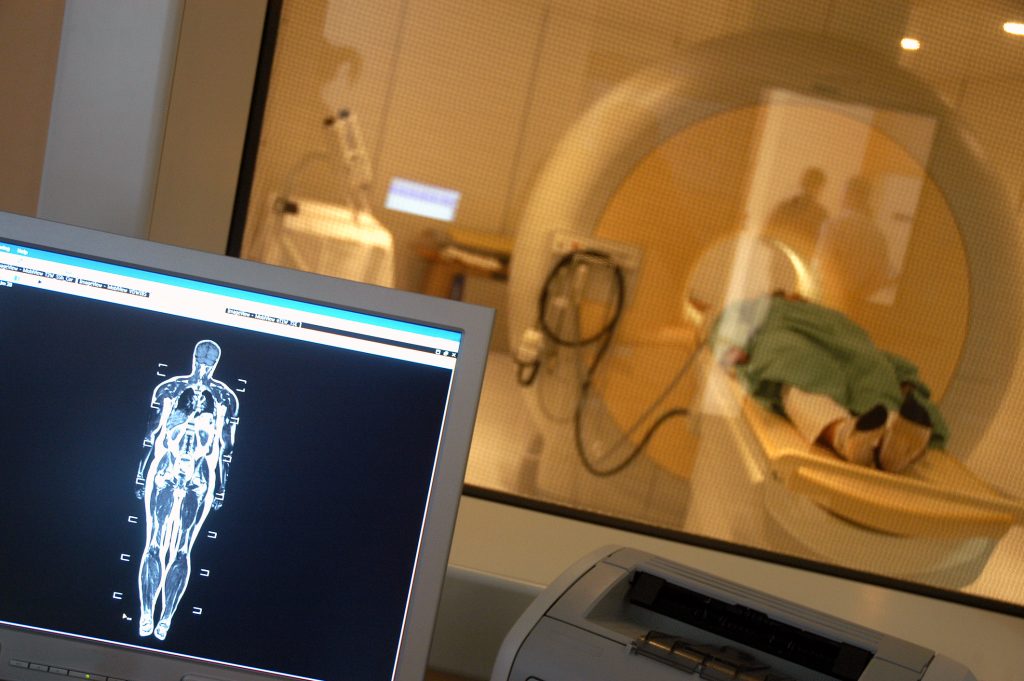
If you’ve ever been told you might need an injection for pain relief for your back, neck, or a joint, you may have wondered why your doctor wants an MRI first. It’s not just about confirming what hurts; it’s about seeing exactly what’s going on beneath the surface so your treatment can be as precise

How Doctors Use MRI Before Giving an Injection Read More »

Tips for Safely Staying Active with Chronic Joint Pain

Tips for Safely Staying Active with Chronic Joint Pain

Chronic joint pain can feel like a catch-22. Moving too much could cause a flare-up and worsen your pain. But whether you have arthritis, fibromyalgia, an old injury or any other condition that causes joint pain, staying inactive can cause stiffness, muscle weakness and even more discomfort. So, what’s the answer when you’re in pain

Tips for Safely Staying Active with Chronic Joint Pain Read More »

How to Keep a Pain Journal That Actually Helps Your Doctor

How to Keep a Pain Journal That Actually Helps Your Doctor

Living with chronic pain is challenging to put into words, even for those experiencing it. A few good days can make you forget just how tough the bad days feel, which is why keeping a journal of your symptoms can be so valuable when talking with your doctor. Chronic pain doesn’t just hurt—it can affect

How to Keep a Pain Journal That Actually Helps Your Doctor Read More »

Scroll to Top