When pain keeps you sidelined, waiting for relief can be frustrating. If you are considering platelet-rich plasma (PRP) therapy, you probably want to know how quickly you will notice a difference.
PRP injections usually do not provide immediate relief. Some patients notice improvement within a few weeks, while others need several months. Your timeline depends on the condition being treated, the extent of the damage and your body’s healing response.[1]
Platelet-Rich Plasma Treatment: PRP Works With Your Body’s Own Healing Process
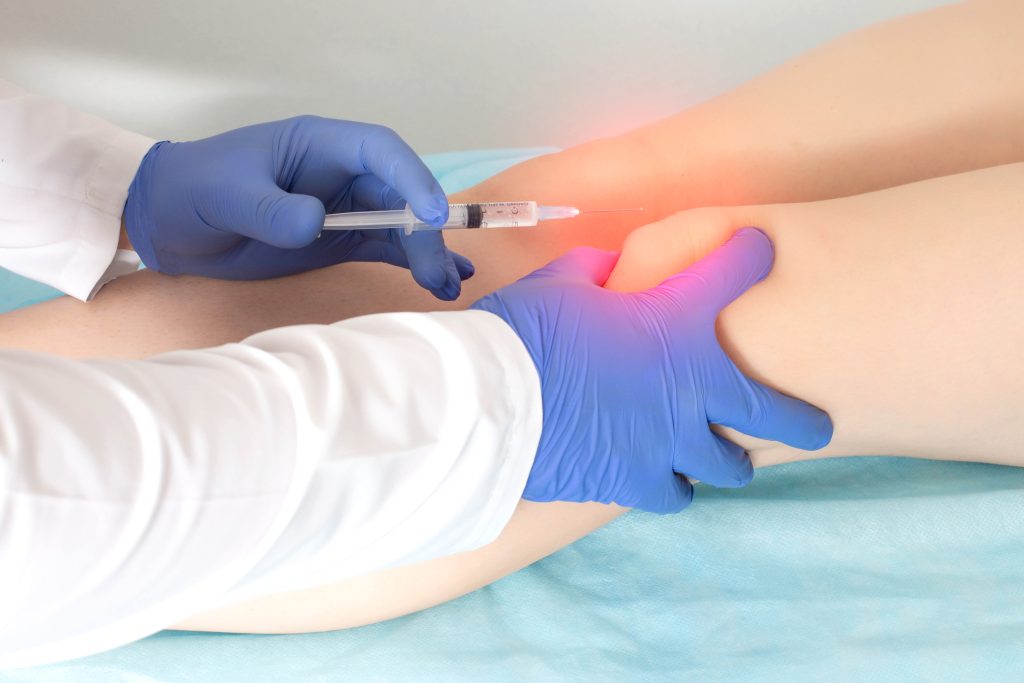
PRP is a type of regenerative medicine known as an orthobiologic treatment. It is prepared from a small sample of your blood and injected into the painful or injured area. There, concentrated platelets release growth factors involved in cell activity, tissue regeneration and healing.[2]
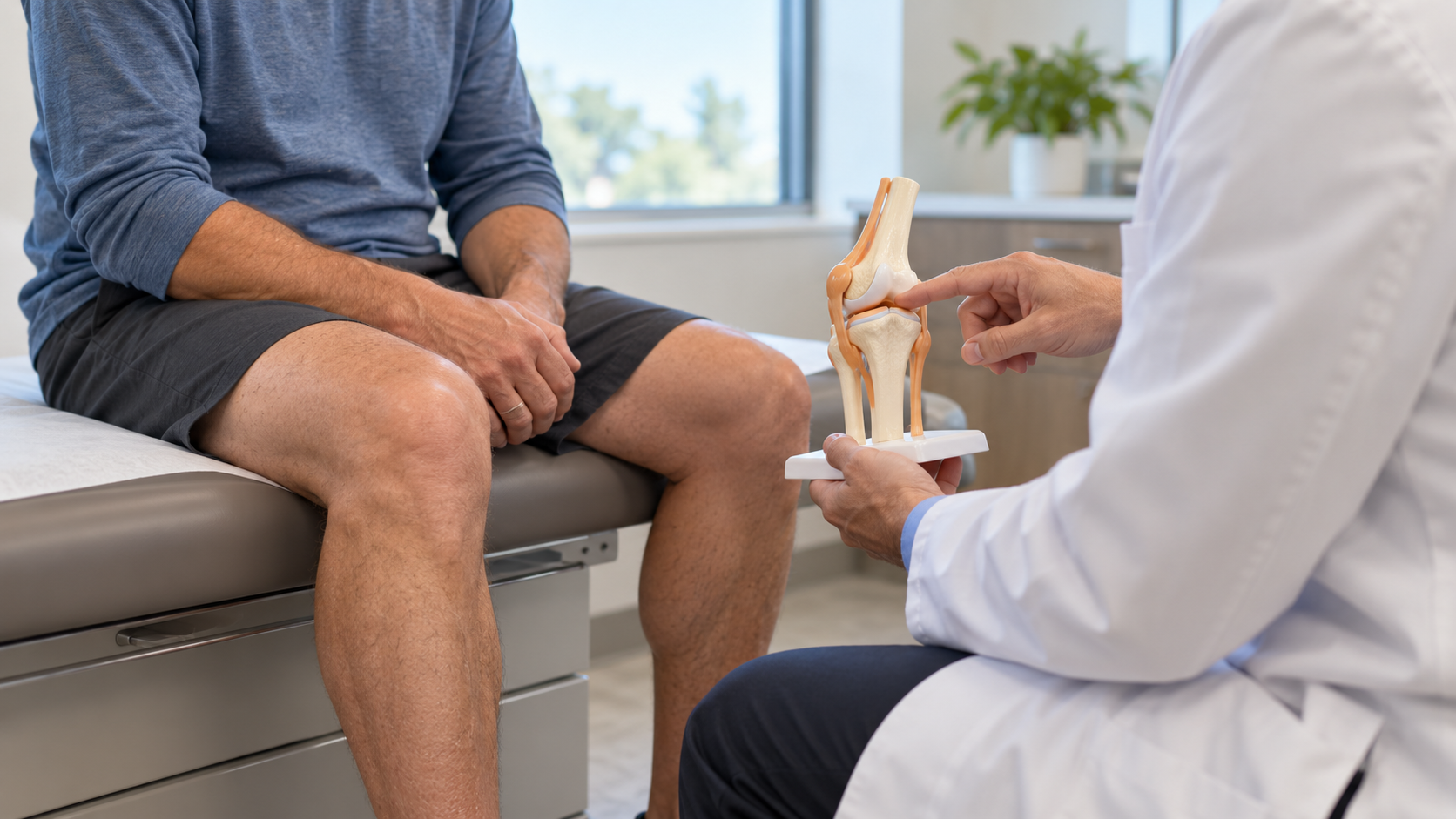
Interventional pain specialists may use PRP therapy for certain painful joint, tendon, ligament and muscle conditions. This can include knee osteoarthritis, tendon injuries, tennis elbow, rotator cuff problems and other musculoskeletal injuries. Research is encouraging for some conditions, but results vary depending on the diagnosis and how the PRP is prepared.[3]
Platelet-rich plasma treatment is not reserved for older adults with arthritis. Younger adults, athletes and active patients may consider it when an injury is not healing as expected, or pain continues to interfere with training, work and daily activities.[4]
The American Academy of Orthopaedic Surgeons notes that PRP is used to treat pain from early knee osteoarthritis, where it may help delay the need for surgery. However, PRP cannot repair every injury or eliminate the need for surgery in every patient.[5]
What Is the Typical PRP Recovery Timeline?
No single recovery timeline applies to everyone. Understanding what may happen during each stage can make it easier to recognize progress.
The First Few Days Following Your PRP Injection
Tenderness, swelling or a temporary increase in discomfort may occur around the injection site during the first day or two. This does not necessarily mean the treatment failed. PRP stimulates a short-term inflammatory response that helps begin the healing process.[1]
Follow your pain specialist’s instructions about activity following the injection, as recommendations may vary depending on the area treated.
The First Two Weeks After Your PRP Treatment
During this early period, the healing process is underway, even if you have not noticed improvement. Some patients experience less morning stiffness or slightly easier movement, while others feel very little difference this early.[1]
Weeks Three Through Six Following Your PRP Treatment
Some patients begin noticing changes in pain and function during this stage. One study involving knee osteoarthritis found reduced pain and stiffness and improved function by six weeks.[6]
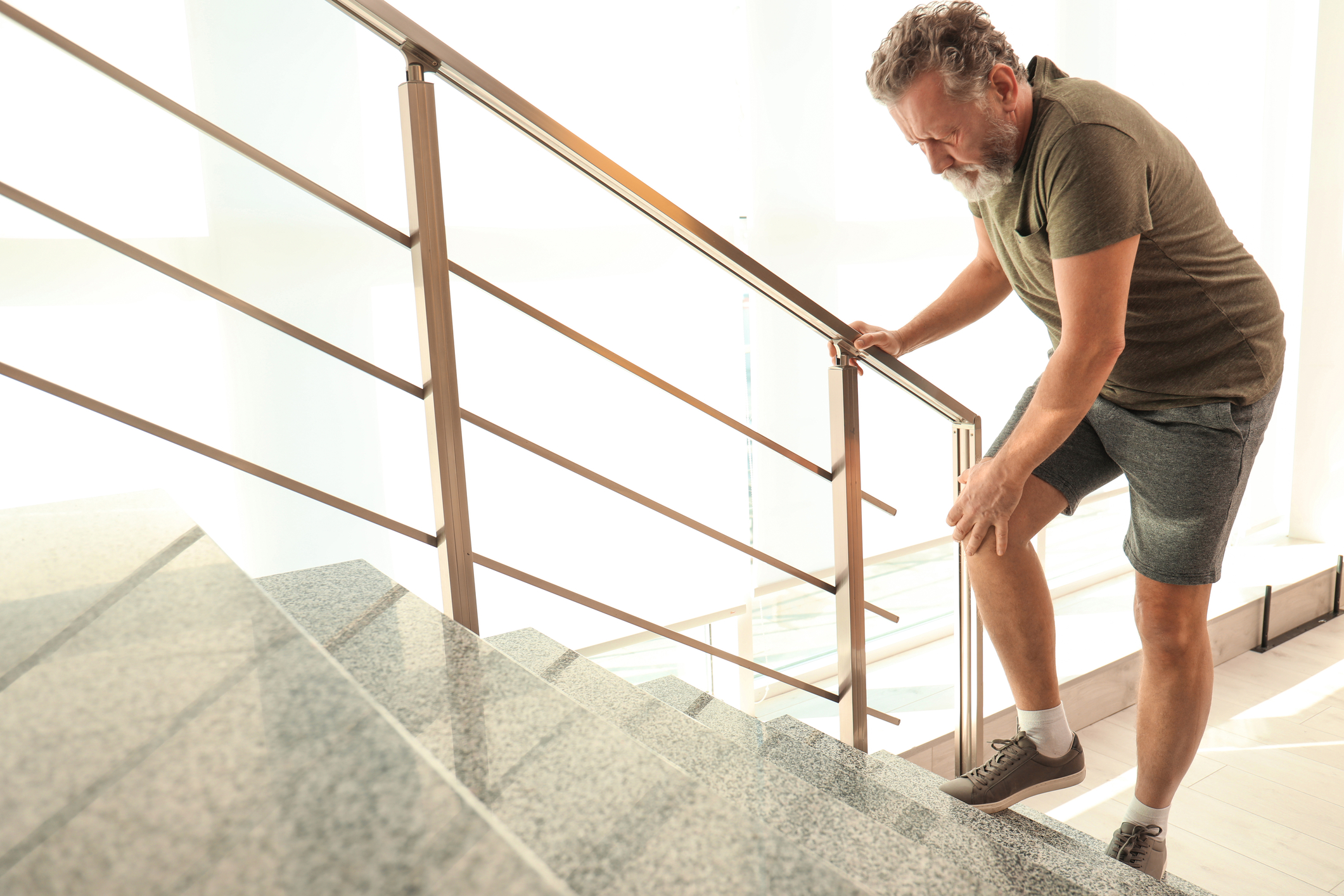
Improvement is not always dramatic. You may simply wake up with less stiffness or realize you can walk farther, climb stairs more comfortably or complete an activity that bothered you a few weeks earlier.
Two to Three Months After PRP Therapy and Beyond
PRP results may continue developing over several months. Studies involving patellar tendinopathy, commonly called jumper’s knee; gluteal tendinopathy, which causes pain along the outside of the hip; and partial rotator cuff tears have reported improvement at approximately 12 weeks, although individual results varied.[7; 8; 9]
Some patients may need more than one PRP injection. Your physician will consider your diagnosis, response to the first treatment and overall progress before recommending additional injections.
Supporting Your Recovery After Platelet-Rich Plasma Injections
PRP may be combined with physical therapy, guided exercise or activity modification. Research involving knee osteoarthritis suggests that combining PRP with rehabilitation may improve pain and physical function.[10]
Follow your recovery plan carefully. Returning to strenuous activity too quickly may aggravate the area, while avoiding movement for too long can contribute to stiffness and weakness. Adequate nutrition and sleep support tissue and muscle recovery, while nicotine can decrease blood flow to healing bones and tendons.[11; 12; 13]
Find Out Whether PRP Therapy Is Right for Your Pain
PRP requires patience. If you have started treatment and have not noticed improvement or are struggling to progress through rehabilitation, tell your pain specialist. Your physician can evaluate your response and determine whether you need more time, an additional PRP injection or a combined treatment plan.
The first step is finding out whether your injury or pain condition is likely to respond to platelet-rich plasma treatment. Your interventional pain specialist can explain how PRP therapy may alleviate pain and determine whether PRP injections could reduce your symptoms, improve your movement and help you return to more of the activities you enjoy.
Disclaimer: This content is for educational purposes only and is not a substitute for medical advice, diagnosis, or treatment. Pain conditions and treatment options vary from person to person, so always talk with a qualified healthcare provider about what’s right for you. If you experience sudden or worsening pain, or symptoms like numbness, weakness, chest pain, shortness of breath, or changes in bladder or bowel control, seek medical care right away.
Resources
- Platelet-Rich Plasma (PRP Injection). Cleveland Clinic [Internet]. Accessed August 21, 2026. Available from: https://my.clevelandclinic.org/health/treatments/platelet-rich-plasma-prp-injection
- Wilson J. Platelet-Rich Plasma (PRP) Therapy for Arthritis. Arthritis-Health [Internet]. Updated January 07, 2014. Accessed August 21, 2026. Available from: https://www.arthritis-health.com/treatment/injections/platelet-rich-plasma-prp-therapy-arthritis
- Le ADK, Enweze L, DeBaun MR, Dragoo JL. Current Clinical Recommendations for Use of Platelet-Rich Plasma. Curr Rev Musculoskelet Med [Internet]. 2018 Dec;11(4):624-634. doi: 10.1007/s12178-018-9527-7. PMID: 30353479; PMCID: PMC6220007. Accessed August 21, 2026. Available from: https://pmc.ncbi.nlm.nih.gov/articles/PMC6220007/
- Alaia MJ, Kelly FB. Platelet-Rich Plasma (PRP). OrthoInfo – American Academy of Orthopaedic Surgeons (AAOS) [Internet]. Accessed August 21, 2026. Available from: https://www.orthoinfo.org/treatment/platelet-rich-plasma-prp/
- Weber SC. Orthobiologics (Regenerative Medicine) FAQ. OrthoInfo – American Academy of Orthopaedic Surgeons (AAOS) [Internet]. Accessed August 21, 2026. Available from: https://orthoinfo.aaos.org/en/treatment/orthobiologics-faq/
- Wilson J. Efficacy of Platelet-Rich Plasma Injections. Arthritis-Health [Internet]. Updated January 07, 2014. Accessed August 21, 2026. Available from: https://www.arthritis-health.com/treatment/injections/efficacy-platelet-rich-plasma-injections
- Dragoo JL, Wasterlain AS, Braun HJ, Nead KT. Platelet-rich plasma as a treatment for patellar tendinopathy: a double-blind, randomized controlled trial. Am J Sports Med. 2014 Mar;42(3):610-8. doi: 10.1177/0363546513518416. Epub 2014 Jan 30. Erratum in: Am J Sports Med [Internet]. 2016 Jul;44(7):NP38. doi: 10.1177/0363546516655781. PMID: 24481828. Accessed August 21, 2026. Available from: https://pubmed.ncbi.nlm.nih.gov/24481828/
- Fitzpatrick J, Bulsara MK, O'Donnell J, McCrory PR, Zheng MH. The Effectiveness of Platelet-Rich Plasma Injections in Gluteal Tendinopathy: A Randomized, Double-Blind Controlled Trial Comparing a Single Platelet-Rich Plasma Injection With a Single Corticosteroid Injection. Am J Sports Med [Internet]. 2018 Mar;46(4):933-939. doi: 10.1177/0363546517745525. Epub 2018 Jan 2. PMID: 29293361. Accessed August 21, 2026. Available from: https://pubmed.ncbi.nlm.nih.gov/29293361/
- Kwong CA, Woodmass JM, Gusnowski EM, Bois AJ, Leblanc J, More KD, Lo IKY. Platelet-Rich Plasma in Patients With Partial-Thickness Rotator Cuff Tears or Tendinopathy Leads to Significantly Improved Short-Term Pain Relief and Function Compared With Corticosteroid Injection: A Double-Blind Randomized Controlled Trial. Arthroscopy. 2021 Feb;37(2):510-517. doi: 10.1016/j.arthro.2020.10.037. Epub 2020 Oct 28. PMID: 33127554. Accessed August 21, 2026. Available from: https://pubmed.ncbi.nlm.nih.gov/33127554/
- Qin R, Zhao M. PRP platelet-rich plasma injection combined with aquatic exercise therapy improves functional recovery of basketball players with knee joint injury. Am J Transl Res. 2024 Oct 15;16(10):5700-5707. doi: 10.62347/PIQQ7236. PMID: 39544749; PMCID: PMC11558353. Accessed August 21, 2026. Available from: https://pmc.ncbi.nlm.nih.gov/articles/PMC11558353/