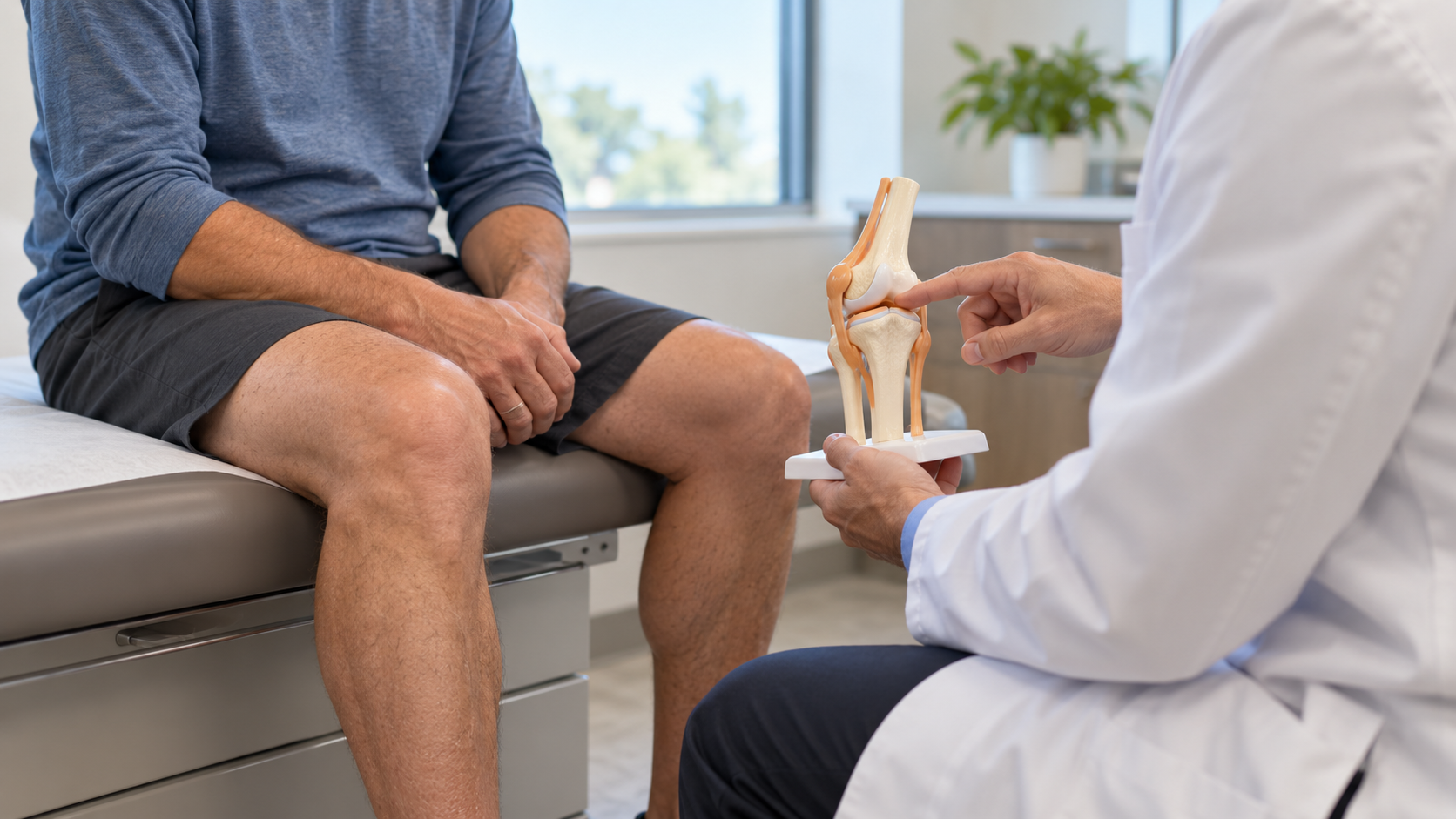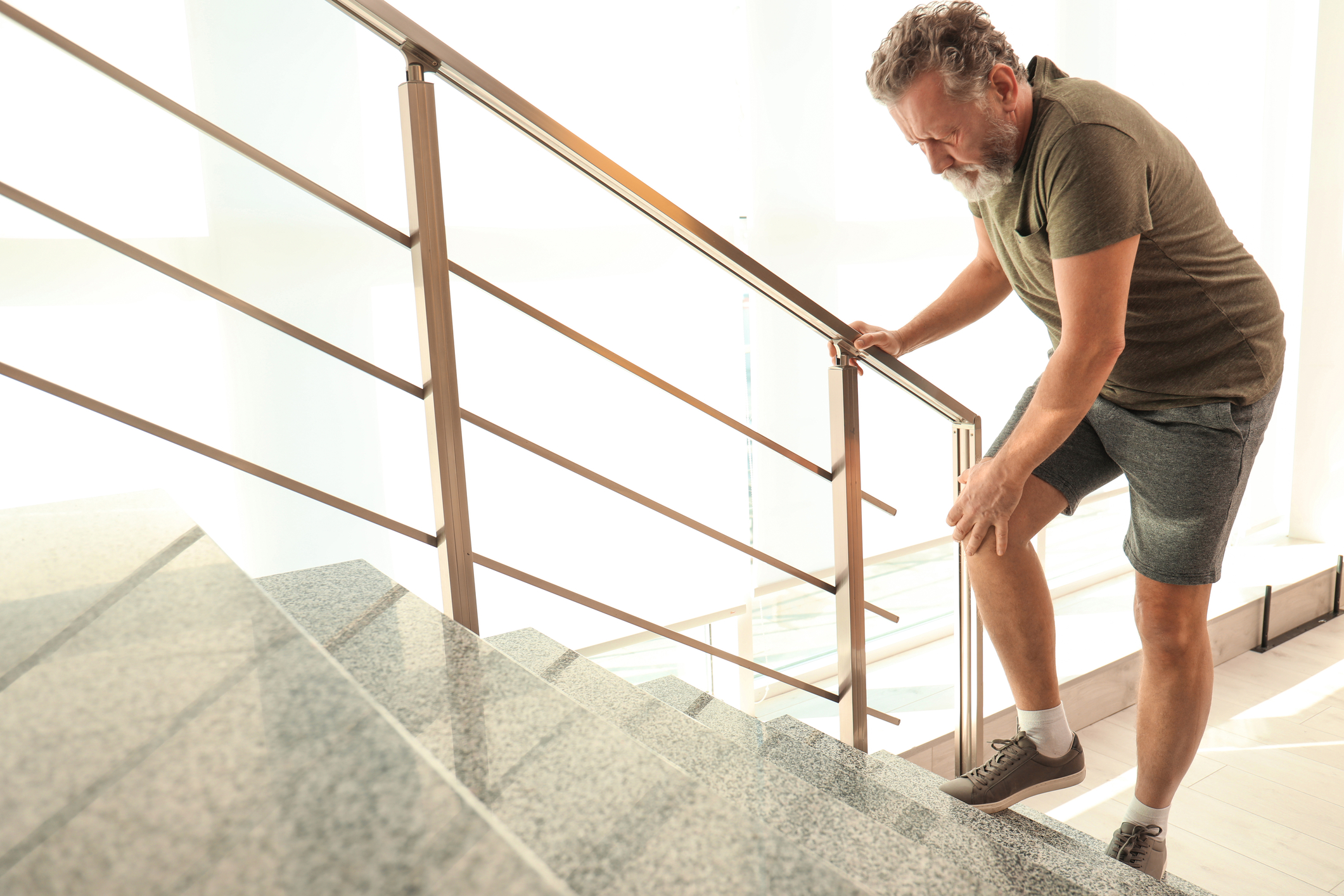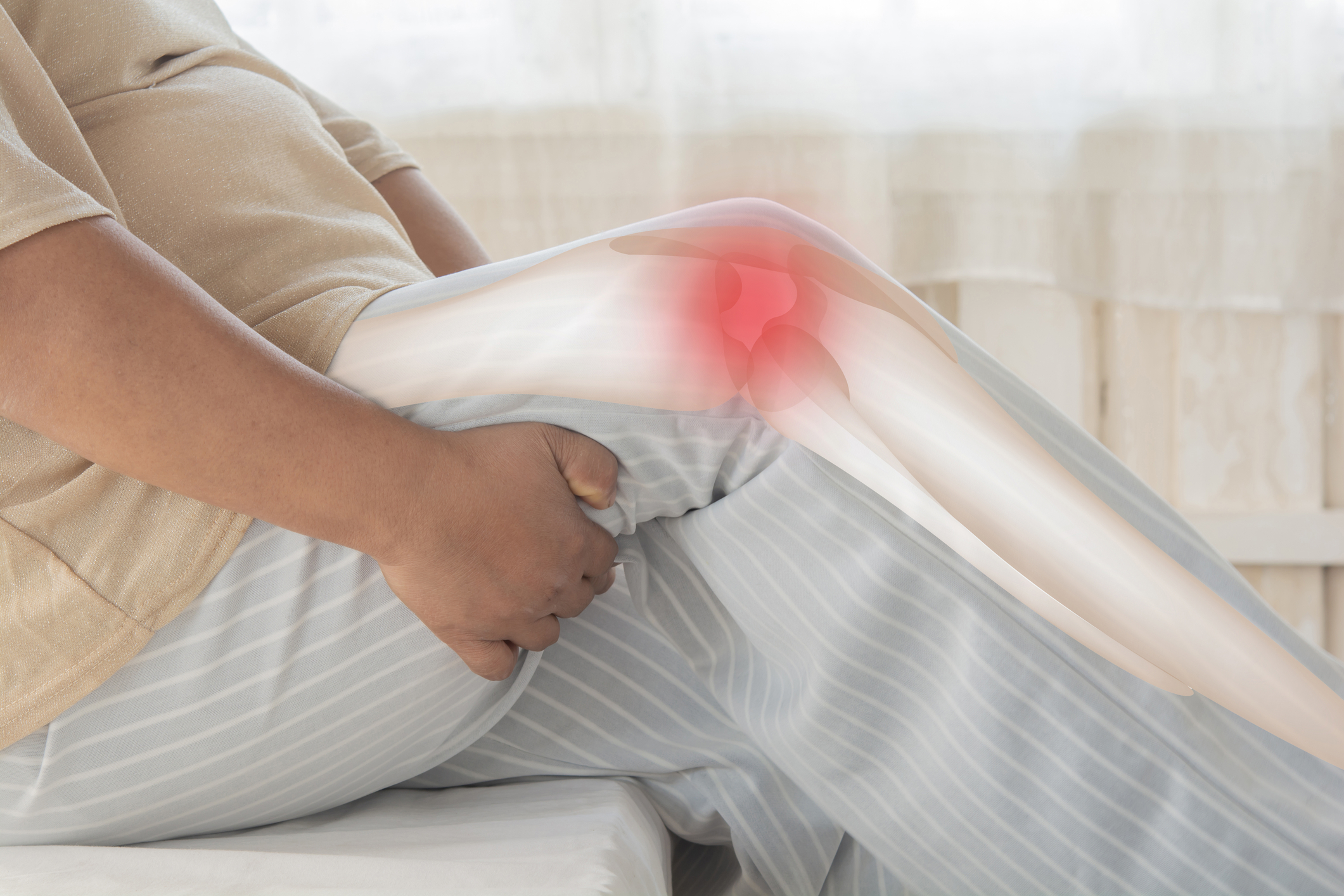

Does your lower back start aching while you're standing at the kitchen counter, waiting in line or walking through the grocery store? Maybe you're fine sitting down, but after a few minutes on your feet, the pain starts creeping in.
Lower back pain when standing or walking is common, but the reason isn't always obvious. Sometimes it's muscle fatigue or poor posture. Other times, it's an underlying spinal condition affecting your joints, discs or nerves.
Understanding what might be causing your pain can help you better describe your symptoms to your provider and find the right treatment.
Why Is Standing Sometimes More Painful Than Walking?
Your lower back does a lot of work supporting your body throughout the day. When you stand in one place, your muscles have to keep working to hold you upright. Walking changes how those muscles work, which may explain why moving around feels better than standing still.
Pay attention to how your body reacts. Pain that improves when you sit or lean forward can be a clue to lumbar spinal stenosis, a condition involving narrowing around the spinal nerves.[1]
What Could Be Causing Your Lower Back Pain When You're on Your Feet?
So, what's behind that aching back? The location of your pain, whether it travels into your legs and what makes it better or worse can offer clues.
Here are some common causes:
Muscle Strains, Sprains and Poor Posture
You don't have to lift something heavy to strain your back. Standing in one place for too long, standing awkwardly or overworking your back muscles can leave your lower back aching.
Muscle strains and ligament sprains may cause stiffness, spasms or soreness that improves with rest or a change in position.[2]
Lumbar Spinal Stenosis: Back and Leg Pain That Improves When Sitting
Spinal stenosis occurs when the spaces around the nerves in your lower spine narrow.
You may notice aching, cramping, numbness, tingling or weakness in your legs that gets worse the longer you stand or walk. Sitting down or leaning forward often brings relief.[1]
Degenerative Disc Disease (DDD): Lower Back Pain and Stiffness
The discs between your vertebrae act like cushions, helping absorb pressure as you move. Over time, they can lose moisture and flexibility.
For some people, these changes cause lower back pain or stiffness that becomes more noticeable during everyday activities. However, not everyone with degenerative discs experiences pain.[3]
Facet Joint Arthritis: Pain When Twisting or Arching Your Back
Your spine has small joints called facet joints that allow you to bend and twist. Just like your knees or hips, these joints can develop arthritis.
Pain may become more noticeable when standing, twisting or leaning backward. You might also feel an ache extending into your buttocks or thighs.[4]
Herniated Discs and Sciatica: Shooting Pain, Numbness or Tingling
A herniated disc develops when the soft material inside a spinal disc pushes against or through its outer layer. If it irritates a nearby nerve, you may experience sciatica.
Unlike a simple backache, sciatica can send sharp, burning or shooting pain down your buttock and leg, sometimes accompanied by numbness or tingling.[5]
Spondylolisthesis: Back Pain That Gets Worse When You Walk or Stand
Spondylolisthesis occurs when one vertebra slips forward over another, sometimes causing back pain, stiffness or tingling that worsens with standing or walking. Sitting or bending forward may bring relief.[6]
Sacroiliac (SI) Joint Dysfunction: Pain Near Your Lower Back and Buttocks
Your sacroiliac joints connect the bottom of your spine to your pelvis. When one or both joints become irritated, the pain can feel like it's coming from your lower back.
You may notice discomfort around one buttock or the back of your hip, especially when climbing stairs, walking or standing for long periods.[7]
What Helps Lower Back Pain When You're on Your Feet?
The best way to relieve lower back pain depends on what's causing it. The good news? Many people can find relief without surgery.
There are several things you can try at home to ease discomfort:
- Apply heat or ice to painful areas.
- Take breaks when you've been standing too long.
- Try gentle stretching and low-impact exercise.
- Work on improving your posture and strengthening your core.
- Consider over-the-counter pain relievers if they're safe for you.
Physical therapy can also help strengthen the muscles supporting your spine, improve flexibility and make everyday movements more comfortable.[8]
If you're still struggling with pain, interventional pain management may offer other options. Depending on the cause, treatments such as epidural steroid injections, nerve blocks or radiofrequency ablation may help relieve certain types of back pain.
Don't Let Lower Back Pain Keep You Sitting on the Sidelines of Your Life
If standing to cook dinner or walking through a store has become painful, you shouldn't have to plan your day around finding somewhere to sit.
While occasional backaches are common, pain that persists, gets worse or begins affecting your legs shouldn't be ignored. New loss of bladder or bowel control, numbness around your groin or rapidly worsening leg weakness requires emergency medical attention.
You don't have to wait until lower back pain keeps you from doing the things you enjoy. A pain management specialist can help determine what's causing your discomfort and explore treatment options to get you moving more comfortably again.
Disclaimer: This content is for educational purposes only and is not a substitute for medical advice, diagnosis, or treatment. Pain conditions and treatment options vary from person to person, so always talk with a qualified healthcare provider about what’s right for you. If you experience sudden or worsening pain, or symptoms like numbness, weakness, chest pain, shortness of breath, or changes in bladder or bowel control, seek medical care right away.
Resources
- Spinal Stenosis. National Institute of Arthritis and Musculoskeletal and Skin Disease [Internet]. Accessed October 09, 2026. Available from: https://www.niams.nih.gov/health-topics/spinal-stenosis
- Lower Back Pain. Cleveland Clinic [Internet]. Updated August 13, 2024. Accessed October 09, 2026. Available from: https://my.clevelandclinic.org/health/diseases/7936-lower-back-pain
- Scarcia L, Pileggi M, Camilli A, Romi A, Bartolo A, Giubbolini F, Valente I, Garignano G, D'Argento F, Pedicelli A, Alexandre AM. Degenerative Disc Disease of the Spine: From Anatomy to Pathophysiology and Radiological Appearance, with Morphological and Functional Considerations. J Pers Med. 2022 Nov 1;12(11):1810. doi: 10.3390/jpm12111810. PMID: 36579533; PMCID: PMC9698646. Accessed October 09, 2026. Available from: https://pmc.ncbi.nlm.nih.gov/articles/PMC9698646/
- Perolat R, Kastler A, Nicot B, Pellat JM, Tahon F, Attye A, Heck O, Boubagra K, Grand S, Krainik A. Facet joint syndrome: from diagnosis to interventional management. Insights Imaging. 2018 Oct;9(5):773-789. doi: 10.1007/s13244-018-0638-x. Epub 2018 Aug 8. PMID: 30090998; PMCID: PMC6206372. Accessed October 09, 2026. Available from: https://pmc.ncbi.nlm.nih.gov/articles/PMC6206372/
- Sciatica. Cleveland Clinic [Internet]. Accessed October 09, 2026. Available from: https://my.clevelandclinic.org/health/diseases/12792-sciatica
- Spondylolisthesis. NHS – UK [Internet]. Accessed October 09, 2026. Available from: https://www.nhs.uk/conditions/spondylolisthesis/
- Barros G, McGrath L, Gelfenbeyn M. Sacroiliac Joint Dysfunction in Patients With Low Back Pain. Fed Pract. 2019 Aug;36(8):370-375. PMID: 31456628; PMCID: PMC6707638. Accessed October 09, 2026. Available from: https://pmc.ncbi.nlm.nih.gov/articles/PMC6707638/
- Back Pain – Diagnosis & Treatment. Mayo Clinic [Internet]. Accessed October 09, 2026. Available from: https://www.mayoclinic.org/diseases-conditions/back-pain/diagnosis-treatment/drc-20369911