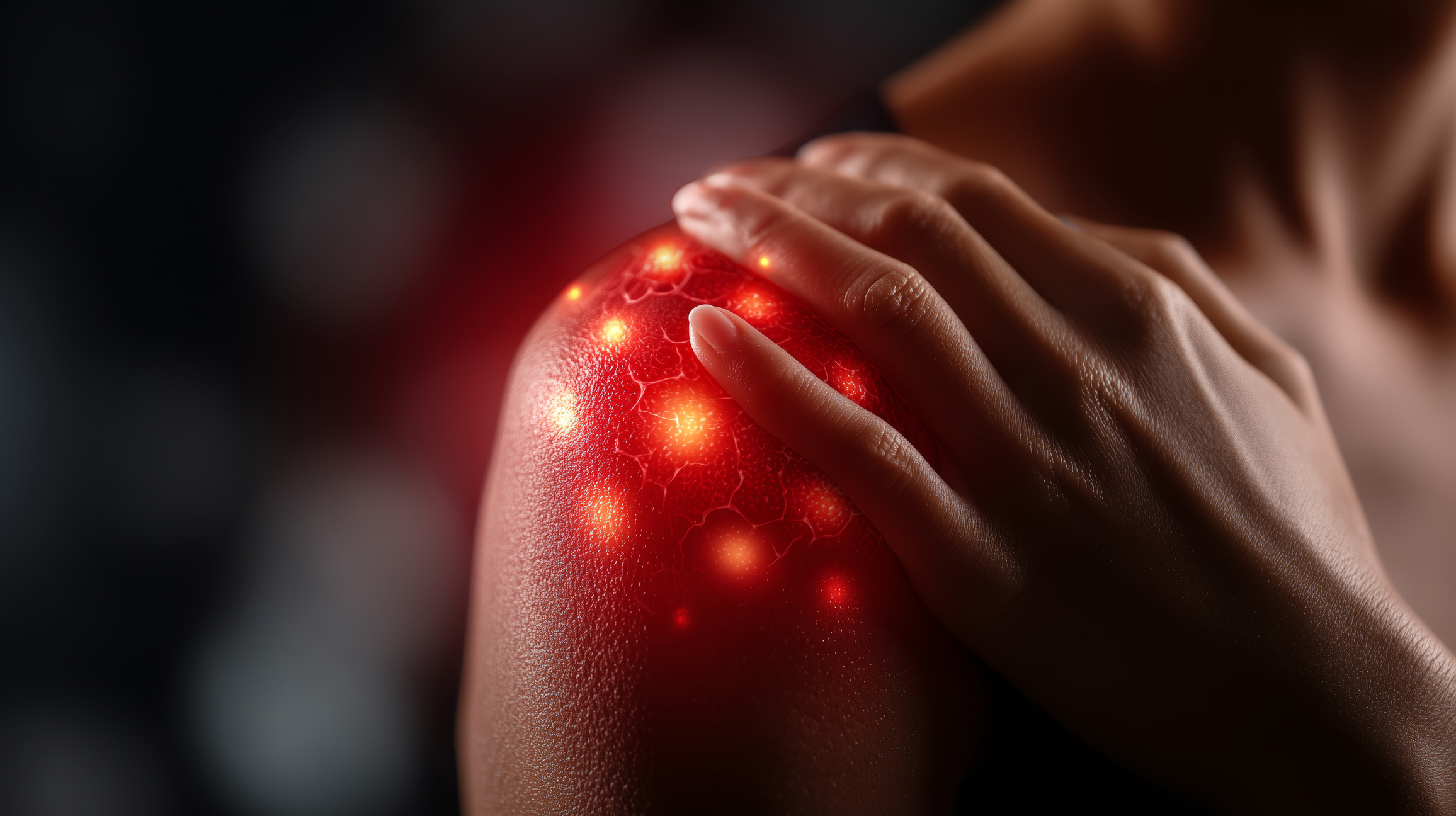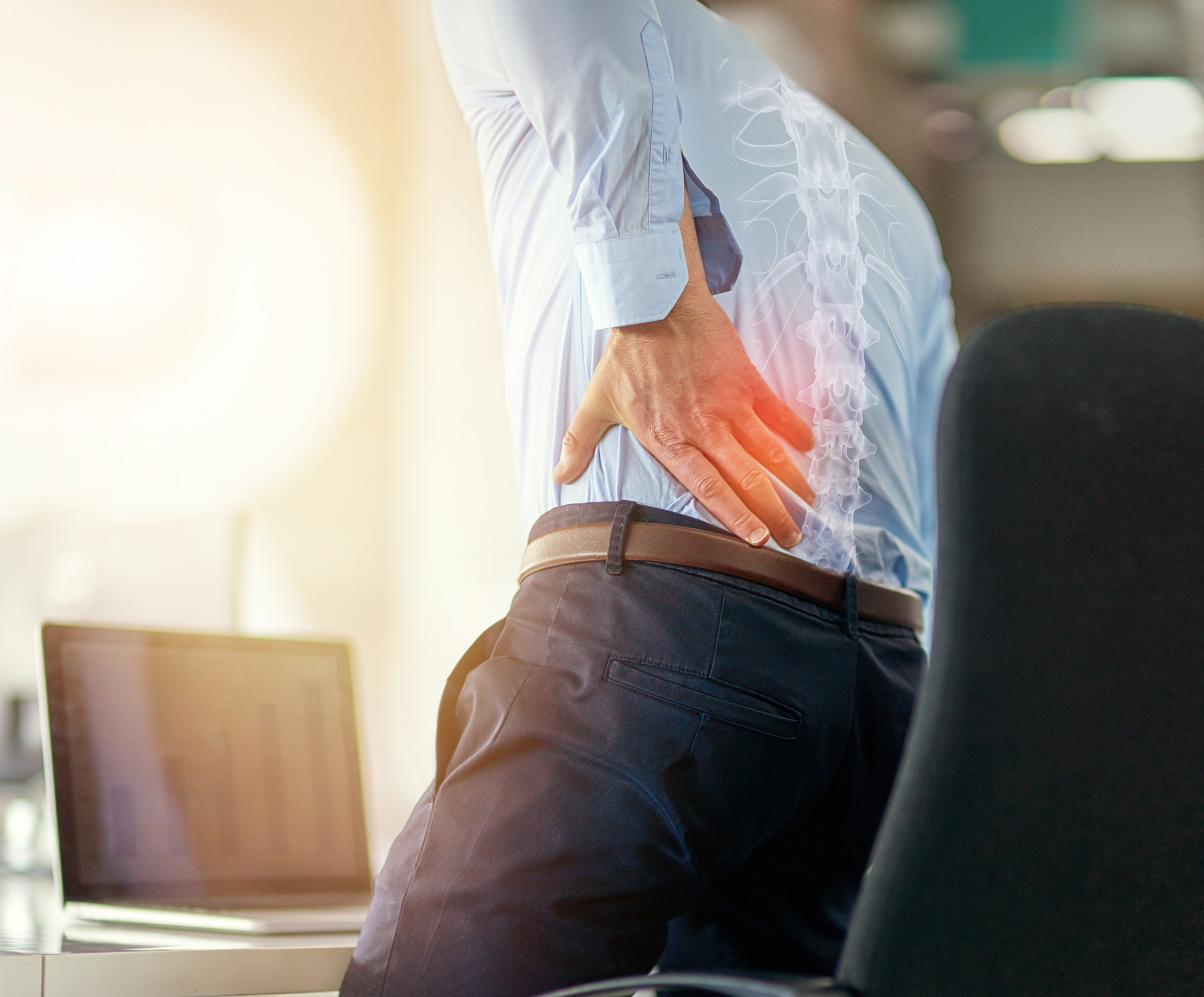

Chronic pain is rarely caused by just one thing. Even when there’s a clear diagnosis like arthritis, nerve irritation, spinal degeneration, or an old injury, your daily habits can still affect how intense your symptoms feel. Some habits help calm the nervous system and reduce stress on the body, while others can slowly increase tension, inflammation, and discomfort over time.
That doesn’t mean your pain is “all in your head.” Pain is absolutely real. But your brain, nervous system, muscles, inflammation levels, stress response, and overall health all work together to shape how pain feels each day. Research shows that factors like stress, movement, sleep quality, and even thought patterns can influence how the brain processes pain signals and may contribute to worsening symptoms.
Making small lifestyle changes can improve how you feel daily when combined with a comprehensive pain management plan.
Healthy Habits That May Help Reduce Flare-Ups
Pain relief doesn’t just come from medication or procedures. Your everyday routines matter more than many people realize. Some of the most effective non-drug pain management strategies focus on calming the nervous system and reducing physical stress on the body.
Movement Matters: Staying Active Without Overdoing It
When you’re hurting, resting sounds logical. But too much inactivity can actually worsen pain. A sedentary lifestyle may contribute to muscle stiffness, reduced circulation, joint instability, and increased pain sensitivity.
Low-impact movement helps keep the body functioning without overloading painful areas. Depending on your condition, this may include:
- Walking
- Swimming or water aerobics
- Stretching
- Yoga or tai chi
- Physical therapy exercises
The goal is not intense workouts. It’s consistent movement that supports mobility and prevents muscle deconditioning.
Calming the Mind Can Also Calm the Body
Pain affects both the body and the brain. Stress, fear, frustration, and anxiety can increase muscle tension and keep the nervous system in a heightened state. Techniques that calm the mind may help reduce the intensity of pain signals.[1; 2]
Some helpful tools include:
- Guided imagery
- Meditation
- Breathwork
- Mindfulness practices
- Relaxation exercises
- Distraction techniques like music, hobbies, or creative activities
Harvard Health notes that the brain can learn ways to change how pain is processed and perceived through certain mental strategies and relaxation techniques.[1]
Supportive Therapies That Can Complement Your Treatment Plan
You may benefit from combining your pain management treatment with holistic or supportive alternative therapies.
Depending on the cause of your pain, options may include:
- Massage therapy
- Acupuncture
- Chiropractic care
- TENS units (transcutaneous electrical nerve stimulation)
- Heat and cold therapy
- Therapeutic stretching
- Cognitive behavioral therapy
These approaches are not “magic fixes,” but they can become valuable tools within a broader pain management plan.[3]
Everyday Habits That May Be Making Pain-Related Symptoms Worse
Sometimes pain is not only about the original injury or condition. You may not even realize it, but your daily habits may continue aggravating already sensitive muscles, joints, and nerves.
Poor Sleep Can Make Pain Harder to Manage
Sleep and pain have a complicated relationship. Poor sleep can increase pain sensitivity, while chronic pain can make it harder to get quality shut-eye. Research has shown that sleep deprivation may worsen chronic pain symptoms and contribute to inflammation within the body.[2]
Stress Can Keep Your Nervous System Stuck in Overdrive
Stress keeps the body in a constant “fight or flight” state.[4] That can increase muscle tension, headaches, jaw clenching, nerve sensitivity, and overall pain amplification. Many people notice their pain flares during emotionally overwhelming periods, even if they have not physically injured themselves further. [2]
Put Down the Devices: Poor Posture and “Tech Neck” Can Worsen Pain
Hours spent looking down at phones, laptops, or tablets can place significant strain on the neck, shoulders, and upper back. Over time, poor posture may contribute to headaches, muscle tension, nerve irritation, and spinal stress.[5]
Your Body Wasn’t Designed to Sit All Day
Long periods of sitting can tighten hip flexors, weaken core muscles, reduce circulation, and place additional stress on the lower back and spine. Even standing up, stretching, or walking briefly throughout the day may help reduce stiffness and muscle fatigue.[6]
Habits That Increase Inflammation and Fuel Long-Term Pain
Some habits may increase inflammation in the body, which may worsen pain for some individuals. Smoking, excessive alcohol use, dehydration, highly processed foods, and diets high in added sugars have all been linked to inflammatory responses.[7]
Reducing inflammation is where nutrition often becomes part of the treatment. While food alone will not cure chronic pain, balanced eating habits may support overall health and reduce some inflammatory stress on the body.
Pay Attention to the Signs: Your Body Often Warns You Before a Flare-Up
Many people push through pain until their body forces them to stop. Your body often gives clues before a major flare-up happens. Increased tightness, fatigue, stiffness, headaches, or worsening soreness may signal that you have overdone something physically.
Keeping a simple pain journal can sometimes help identify patterns. You may begin noticing certain activities, foods, stressors, or sleep disruptions that consistently trigger worse symptoms.
Long-Term Pain Relief Often Requires More Than One Approach
Pain management is rarely one-size-fits-all. Interventional procedures, medications, physical therapy, and medical treatments can all play important roles, but lifestyle habits matter too.
Small changes may not produce overnight results, but over time, they can help reduce strain on the nervous system and support better overall function. Sometimes the goal is not eliminating every symptom. Instead, the goal is improving quality of life, reducing flare-ups, and helping your body work with you instead of against you.
Listening to your body, consistently supporting your health, and combining healthy habits with professional pain management care may help you regain greater control over your daily life.
Disclaimer: This content is for educational purposes only and is not a substitute for medical advice, diagnosis, or treatment. Pain conditions and treatment options vary from person to person, so always talk with a qualified healthcare provider about what’s right for you. If you experience sudden or worsening pain, or symptoms like numbness, weakness, chest pain, shortness of breath, or changes in bladder or bowel control, seek medical care right away.
Resources:
- 6 ways to use your mind to control pain. Harvard Health [Internet]. Published April 11, 2015. Accessed May 04, 2026. Available from: https://www.health.harvard.edu/mind-and-mood/6-ways-to-use-your-mind-to-control-pain
- Nijs J, Reis F. The Key Role of Lifestyle Factors in Perpetuating Chronic Pain: Towards Precision Pain Medicine. J Clin Med [Internet]. 2022 May 12;11(10):2732. doi: 10.3390/jcm11102732. PMID: 35628859; PMCID: PMC9145084. Accessed May 04, 2026. Available from: https://pmc.ncbi.nlm.nih.gov/articles/PMC9145084
- Chronic Pain: In Depth. NCCIH [Internet]. Published September 2018. Accessed May 04, 2026. Available from: https://www.nccih.nih.gov/health/chronic-pain-in-depth
- What happens during fight or flight response. Cleveland Clinic. Published July 22, 2024. Accessed May 04, 2026. Available from: https://health.clevelandclinic.org/what-happens-to-your-body-during-the-fight-or-flight-response
- David D, Giannini C, Chiarelli F, Mohn A. Text Neck Syndrome in Children and Adolescents. Int J Environ Res Public Health. 2021 Feb 7;18(4):1565. doi: 10.3390/ijerph18041565. PMID: 33562204; PMCID: PMC7914771. Accessed May 04, 2026. Available from: https://pmc.ncbi.nlm.nih.gov/articles/PMC7914771/
- Park JH, Moon JH, Kim HJ, Kong MH, Oh YH. Sedentary Lifestyle: Overview of Updated Evidence of Potential Health Risks. Korean J Fam Med [Internet]. 2020 Nov;41(6):365-373. doi: 10.4082/kjfm.20.0165. Epub 2020 Nov 19. PMID: 33242381; PMCID: PMC7700832. Accessed May 04, 2026. Available from: https://pmc.ncbi.nlm.nih.gov/articles/PMC7700832/
- Curtis L. 7 Quiet Habits That Can Increase Inflammation in the Body. Ver ell Health [Internet]. Published April 17, 2026. Accessed May 04, 2026. Available from: https://www.verywellhealth.com/quiet-habits-that-can-cause-inflammation-11940831