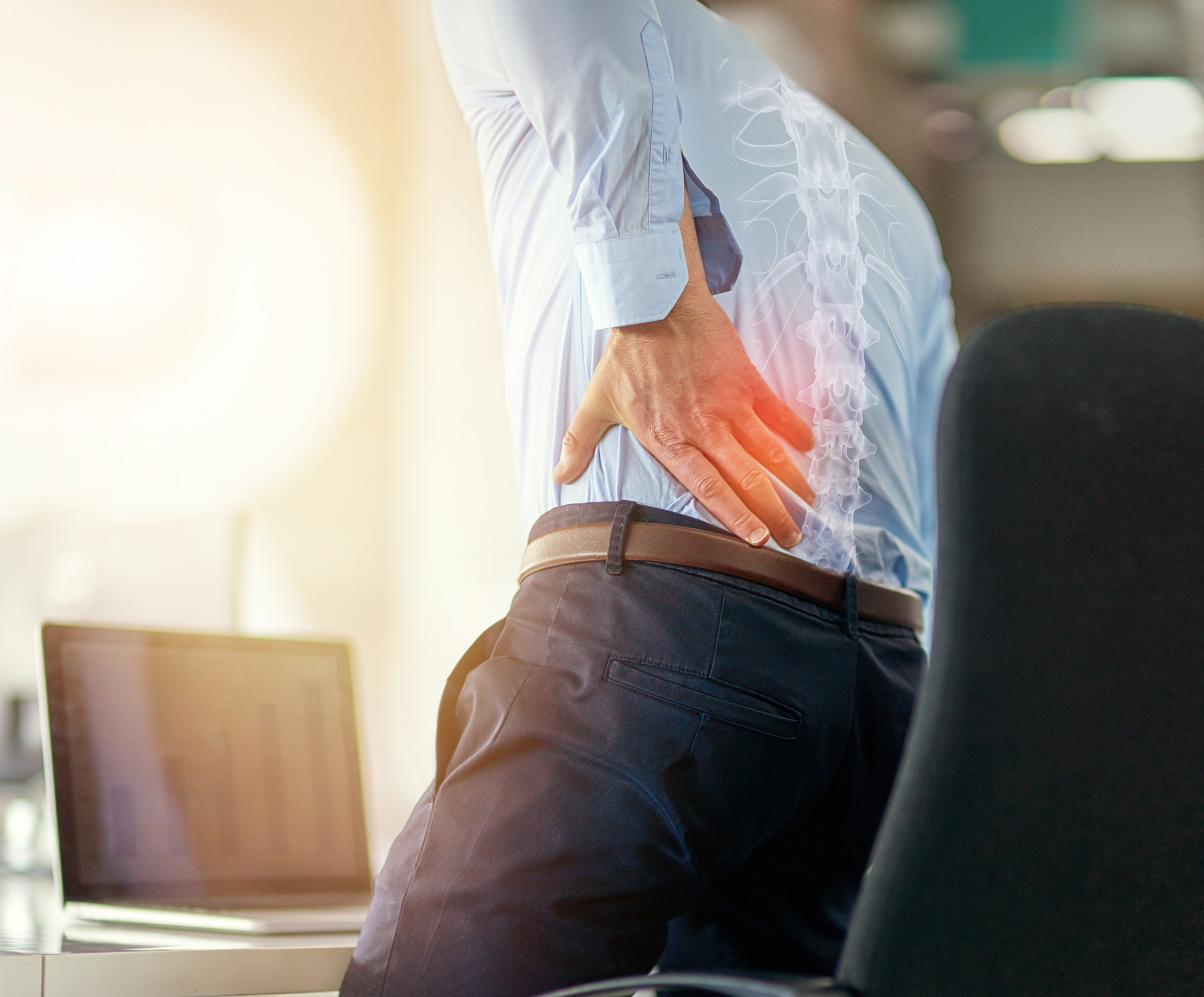

Not all pain is the same. Sometimes it’s your body’s way of telling you that something needs immediate attention. It’s an alert that says, “Ouch! This is more than a minor bump or bruise,” like a sprained ankle, broken arm, pulled muscle or a burn from a hot skillet. Other times, your pain sticks around like a house guest who just won’t leave. The injury may have healed, but the pain is still there. Sometimes, persistent pain even seems to sneak up without a clear cause. Knowing the difference between acute and chronic pain can help you seek treatment sooner instead of waiting and hoping it eventually goes away.
While both types of pain deserve attention, they aren’t treated the same way. Understanding what your symptoms could be telling you is the first step toward getting the right treatment and lasting relief.
Acute Pain vs. Chronic Pain: What’s the Difference?
One of the most common questions patients ask is, “How do I know if my pain is acute or chronic?”
The answer isn’t based on how much it hurts. Severe pain can be acute, while even mild pain can become chronic. Instead, healthcare providers look at the whole picture, including when your pain started, what caused it, how long you’ve had it and whether your body has had enough time to heal.[1; 2]
Acute pain acts like your body’s built-in alarm system. It indicates that something is wrong and encourages you to protect the injured area as it heals. Persistent pain, however, may continue long after the original problem has improved and eventually become a condition requiring its own treatment.[2; 3]
So, what separates acute pain from chronic pain? Let’s take a closer look at each one:
Acute Pain: Your Body’s Built-In Alarm System
Acute pain is short-term pain that usually appears suddenly after an injury, illness or medical procedure. Think of it as your body’s built-in alarm system saying, “Pay attention! Something isn’t right.” Like a flashing dashboard warning light, it’s meant to get your attention so you protect the injured area and give your body time to heal.[1; 3]
The good news is that acute pain usually improves as the underlying injury or illness heals. Once the problem is treated and your body recovers, the alarm typically quiets down and eventually turns off.[3]
Common examples include sprains, broken bones, burns, dental pain and pain after surgery or another injury.
Chronic Pain: When Your Body’s Alarm System Won’t Shut Off
When pain sticks around for three months or longer, it’s generally considered chronic, or persistent, pain.[4] But it’s very different from acute.
Instead of sounding the alarm and then quieting down as you heal, your body’s warning system keeps blaring. Chronic pain doesn’t always have the same cause. It may be related to arthritis or a herniated disc, continue after an injury has healed or persist even when tests don’t provide a clear answer. Whatever the reason, your pain is real.[2;5]
Persistent pain may interfere with your sleep, make it harder to work or stay active, affect your mood and make everyday life feel a whole lot harder. That’s why chronic pain isn’t something you should simply “learn to live with.” [2; 5]
Common causes of chronic pain include arthritis, degenerative disc disease, herniated discs, sciatica, nerve damage, fibromyalgia, and pain that continues after surgery or an injury has healed.
Early Warning Signs Your Acute Pain May Be Becoming Chronic
Not every injury heals as expected. Sometimes pain lingers longer than it should or gradually becomes part of everyday life. Here are a few early warning signs that acute pain may be becoming chronic:
- Pain that isn’t improving.
- Pain that continues after you’ve healed.
- Needing pain medication more often than expected.
- Difficulty returning to your normal routine.
- Pain that’s affecting your sleep, mood or daily life.
If you’re noticing these warning signs, don’t wait to talk with your healthcare provider or pain specialist.
How Does Treatment Differ Between Acute and Chronic Pain?
Acute pain asks, “How do we help this heal?” Chronic pain asks, “How do we help you get your life back?”
With acute pain, treatment focuses on supporting your body’s natural healing process while keeping you comfortable. This may include rest, ice or heat, medication, physical therapy or treating the underlying injury.[3]
Treating persistent pain often requires a broader approach focused on reducing pain, improving function and helping you return to everyday life. Depending on the cause, treatment may include physical therapy, medications, image-guided injections, nerve blocks or radiofrequency ablation. [6; 7]
The goal is to help you move better, stay active and get back to doing the things you enjoy.
What Is It Like to Live with Chronic Pain?
Persistent pain doesn’t just affect your body. Over time, it can begin affecting nearly every part of your life, making everyday tasks more difficult and your world feel a little smaller. Many people also experience fatigue, poor sleep and changes in their mood as they try to manage pain day after day.[5; 8]
The hardest part? Many people assume this is simply something they have to live with. They don’t.
When to See a Pain Management Specialist
Pain is supposed to get your attention, not become part of your daily routine. Acute pain is your body’s way of letting you know something isn’t right. But when that alarm doesn’t quiet down after you’ve healed or keeps coming back, it’s often a sign that something more is going on.
If your body’s alarm keeps sounding long after it should or is making everyday activities harder, it’s time to find out why. You don’t have to wait until the pain becomes unbearable before asking for help. An interventional pain management specialist can identify the source of your pain and recommend treatments that may help you feel more like yourself again.
The sooner persistent pain is evaluated, the sooner you can begin finding answers and getting back to living your life. After all, pain is supposed to get your attention, not become your new normal.
Disclaimer: This content is for educational purposes only and is not a substitute for medical advice, diagnosis, or treatment. Pain conditions and treatment options vary from person to person, so always talk with a qualified healthcare provider about what’s right for you. If you experience sudden or worsening pain, or symptoms like numbness, weakness, chest pain, shortness of breath, or changes in bladder or bowel control, seek medical care right away.
Resources:
- What’s the Difference Between Acute and Chronic Pain? Health Essentials – Cleveland Clinic [Internet]. Published July 30, 2025. Accessed July 13, 2026. Available from: https://health.clevelandclinic.org/acute-vs-chronic-pain
- Chronic Pain. International Association for the Study of Pain [Internet]. Accessed July 12, 2026. Available from: https://www.iasp-pain.org/resources/topics/chronic-pain/
- Acute Pain. International Association for the Study of Pain [Internet]. Accessed July 12, 2026. Available from: https://www.iasp-pain.org/resources/topics/acute-pain/
- Tennant F, Hermann L. Intractable or chronic pain: there is a difference. West J Med. 2000 Nov;173(5):306. doi: 10.1136/ewjm.173.5.306. PMID: 11069861; PMCID: PMC1071146. https://pmc.ncbi.nlm.nih.gov/articles/PMC1071146/
- Chronic Pain. Cleveland Clinic [Internet]. Accessed July 12, 2026. Available from: https://my.clevelandclinic.org/health/diseases/4798-chronic-pain
- Gureje O, Von Korff M, Simon GE, et al. Persistent Pain and Well-being – A World Health Organization Study in Primary Care. JAMA Network [Internet]. 1998;280;(2):147-151. doi:10.1001/jama.280.2.147. Accessed July 12, 2026. Available from: https://jamanetwork.com/journals/jama/fullarticle/187723
- Lema M, Voscopoulos C. When does acute pain become chronic? British Journal of Anaesthesisa [Internet]. 2010. 105:1;i69-i85. Accessed July 12, 2026. Available from: https://www.sciencedirect.com/science/article/pii/S0007091217333962
- Foster M. Pathways through persistent pain: Tips for managing chronic pain. Mayo Clinic Health System [Internet]. Accessed July 12, 2026. Available from: https://www.mayoclinichealthsystem.org/hometown-health/speaking-of-health/8-tips-for-managing-chronic-pain