Spinal Cord Injury

PAIN CONDITION

Spinal Cord Injury: Causes, Treatment & Pain Relief

A spinal cord injury (SCI) can dramatically impact your life, affecting everything from mobility to overall quality of life. According to the WHO, more than 15 million people globally are dealing with spinal injuries.[1] Pain remains one of the most debilitating and challenging aspects of living with an SCI.[1] Spinal cord injuries require specialized care to control pain and maintain function.
Understanding the symptoms, causes, and treatment options available for spinal cord injury pain is essential for finding relief and improving your well-being.

About Spinal Cord Injuries

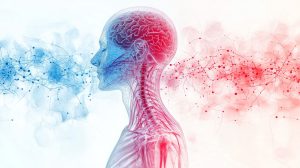
Spinal cord injury occurs when the spinal cord and nerve fibers are damaged by trauma or disease.[2] When the spinal cord, a vital part of the nervous system, is injured, these signals can be interrupted or blocked, leading to a wide range of physical and neurological issues, including pain, paralysis, and loss of sensation.[3] Spinal injuries are considered incomplete or complete. Incomplete injury means the spinal cord sends limited messages to the brain maintaining some feeling, function and muscle control.[3] Complete injuries are the total loss of nerve communication, control, sensation and function.[3] The severity of the injury and its effects depend on the location and extent of the damage.[3]
People with an SCI may experience different types of pain, such as neuropathic pain from nerve damage, musculoskeletal pain and visceral pain (aches caused by internal organs).[4] Pain levels may be mild to severe, with many patients dealing with relentless, excruciating pain and discomfort that conventional treatments fail to help.[5] SCIs not only cause extreme pain but can create life-changing issues like the inability to walk or move, loss of sexual function, and loss of bladder or bowel control.[5]

Spinal Cord Injury Pain Symptoms

While SCI causes a host of symptoms and complications such as incontinence, sexual dysfunction, heart rate, blood pressure or body temperature issues, this information focuses on the chronic pain component.[2]

Symptoms of spinal cord injury pain vary depending on the severity and location of the condition and may include:

  • Spasticity [1]
  • Chronic pain [1]
  • Neuropathic (nerve) pain [2]
  • Motor weakness [6]
  • Difficulty moving or performing functions [6]
  • Exaggerated reflexes [7]
  • Stinging, burning pain [7]
  • Tingling (pins and needles) [2]
  • Numbness [2]
  • Muscle weakness [2]

Spinal Cord Injury Causes

Spinal cord injuries are usually caused by traumatic events such as accidents, injury or acts of violence but can also be caused by diseases that affect the spine or its nerves.

According to the Cleveland Clinic, possible causes of SCI include:

  • Motor vehicle accidents
  • Falls
  • Violence-related injuries
  • Sports injuries
  • Osteoporosis
  • Spinal tumors and cancers
  • Spinal cord cysts
  • Infections and inflammation
  • Less than normal blood flow (ischemia)

Pain Management Treatments

Managing pain from a spinal cord injury involves a multidisciplinary approach. Pain management clinics play a crucial role in providing comprehensive care tailored to the unique needs of SCI patients. Treatments may include medications, such as anticonvulsants or antidepressants, to manage neuropathic pain.[8] Prescription and OTC analgesics treat visceral and nociceptive pain, such as musculoskeletal pain.[8] Physical therapy and spinal decompression are often recommended to improve mobility, increase strength and reduce pain.[3]

Pain management interventional treatments such as corticosteroid joint injections, nerve blocks, nucleoplasty and radiofrequency ablation target the pain within the spine. Regenerative medicine like Platelet-Rich Plasma Therapy (PRP) helps the body heal.[9] Minimally invasive procedures such as spinal cord stimulators and intrathecal pumps reduce pain by disrupting the nerve pain signals sent to the brain. Botox injections are finding use for relief from spasticity and nerve pain in spinal cord injury patients.[10]

When to Consult a SCI Pain Care Specialist

If you are living with a spinal cord injury and struggling with pain, it is essential to consult a pain management specialist. Medical experts trained to address the complexities of SCI pain can offer a variety of treatment options to help manage your symptoms. Pain management clinics provide a supportive environment where professionals develop a personalized pain management plan.
Timely access to treatment, rehabilitation and pain management is essential to ensure optimal levels of function and prevent secondary conditions. Seeking specialized, multidisciplinary care can significantly improve your comfort, mobility, and overall quality of life, allowing you to manage better the challenges of living with a spinal cord injury.
Spinal cord injuries are emergencies, and immediate help is crucial to the recovery of victims of a traumatic event. If you already have an existing SCI, please contact your healthcare provider for skin sores or infections, breathing difficulty, fever, cough, severe headache, severe muscle cramps or spasms, infrequent urination, severe bowel issues, increasing pain or sudden changes in your blood pressure or heart rate.

Resources:

  1. Osteoarthritis. World Health Organization [Internet]. Published July 14, 2023. Accessed June 30, 2024. Available from: https://www.who.int/news-room/fact-sheets/detail/osteoarthritis
    Mayo Clinic Staff. Arthritis – Symptoms and causes. Mayo Clinic [Internet]. Published 2021. Accessed June 30, 2024. Available from: https://www.mayoclinic.org/diseases-conditions/arthritis/symptoms-causes/syc-20350772
    Rath L. What Is Arthritis? Arthritis Foundation [Internet]. Published June 9, 2022. Accessed June 30, 2024. Available from: https://www.arthritis.org/health-wellness/about-arthritis/understanding-arthritis/what-is-arthritis
    Cleveland Clinic Staff. Arthritis. Cleveland Clinic [Internet]. Published 2016. Accessed June 30, 2024. Available from: https://my.clevelandclinic.org/health/diseases/12061-arthritis
    Arthritis. Johns Hopkins Medicine [Internet] Published 2023. Accessed June 30, 2024. Available from: https://www.hopkinsmedicine.org/health/conditions-and-diseases/arthritis
    Alten A. Arthritis: Common Signs and Symptoms. WebMD [Internet]. Reviewed January 09, 2024. Accessed June 30, 2024. Available from: https://www.webmd.com/arthritis/understanding-arthritis-symptoms
    Nichols H. Arthritis: Causes, types, and treatments. Medical News Today [Internet]. Published November 14, 2017. Accessed June 30, 2024. Available from: https://www.medicalnewstoday.com/articles/7621
Scroll to Top