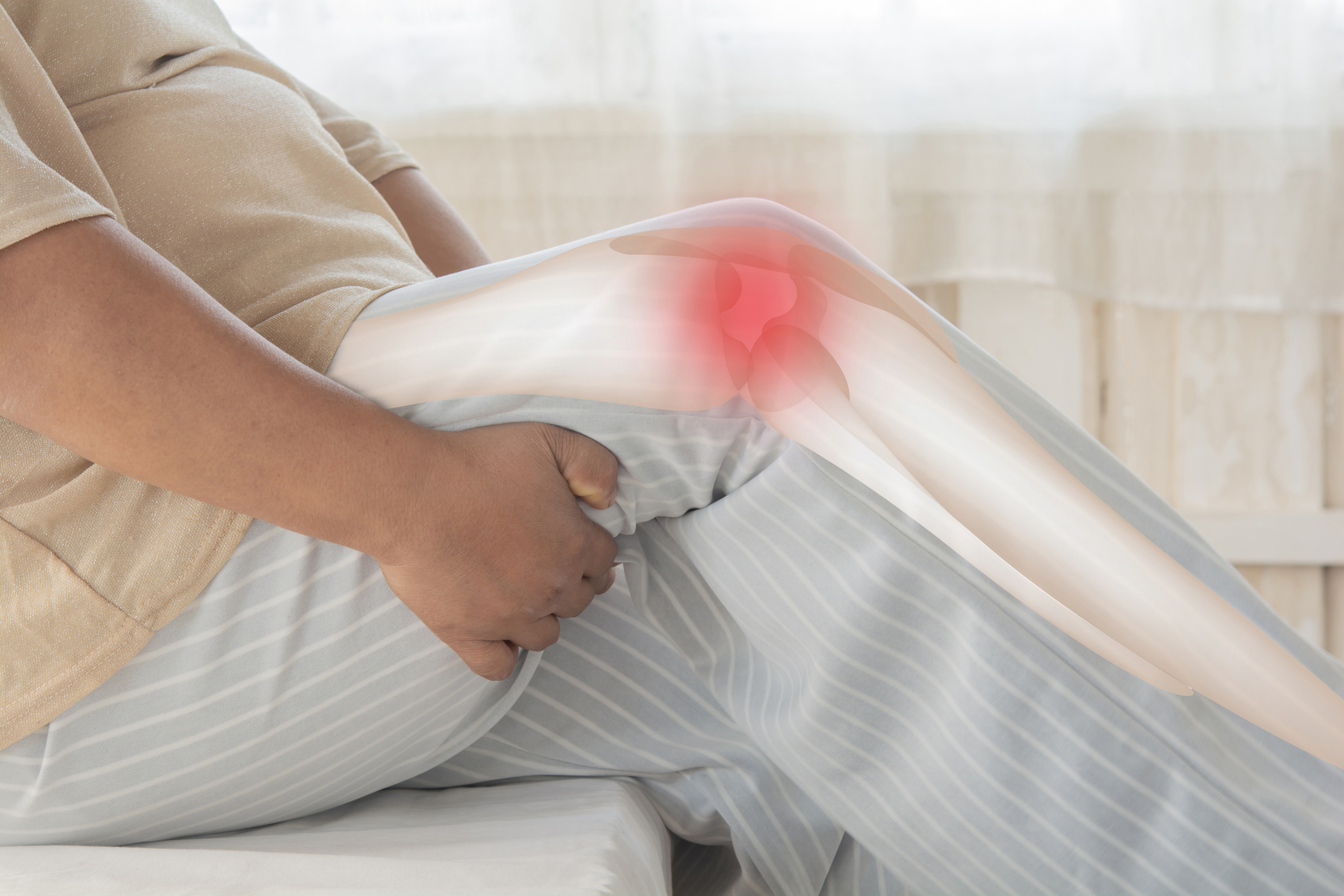

What does your body’s “automatic” system have to do with pain? When most people think about chronic pain, they envision sore joints, slipped discs, neuropathy or inflammation. The autonomic nervous system (ANS), which is the part of your nervous system that runs automatically in the background, is never top of mind for anyone. But your ANS can play a powerful role in how pain starts, spreads, and persists.[1]
What Does Your Autonomic Nervous System Control?
Think of the ANS as your autopilot. It’s in charge of all the things your body does without you thinking about it: background body functions including heart rate, blood pressure, digestion, sweating and even how your pupils respond to light.[2]
It has two main branches:
- Sympathetic nervous system (“fight or flight” response)
- Parasympathetic nervous system (“rest and digest” response)
When these systems are balanced, your body adapts smoothly to stress. But when the sympathetic system stays turned on too long, it can contribute to ongoing pain.[1]
How Does the Autonomic Nervous System Contribute to Chronic Pain?
Chronic pain isn’t just about damaged tissue. Over time, the nervous system can become more sensitive, a process called sensitization.[3]
Here’s what can happen:
- The sympathetic nervous system becomes overactive.
- Pain-signaling pathways become amplified.
- Blood flow changes in affected areas.
- The body remains in a heightened state of stress. [4]
Abnormal interactions between the sympathetic nervous system and sensory nerves can maintain or intensify pain even after your injury has healed.[4]
Simply put, your pain system is “stuck” in the on position.
Conditions Linked to Autonomic Dysfunction and Pain
Autonomic dysfunction plays a role in several chronic pain conditions. Pain is often accompanied by symptoms that don’t seem directly related to an injury, such as abnormal sweating, changes in skin color, fluctuations in heart rate, or unusual sensitivity to touch.[4]
Complex Regional Pain Syndrome (CRPS)
CRPS is a condition in which the body’s stress nerves don’t calm down properly after an injury, leading to intense pain, along with skin color or temperature changes, and symptoms that feel much more severe than the original injury would suggest.[5]
Fibromyalgia
Research shows that people with fibromyalgia often have an overactive “fight-or-flight” response, meaning their nervous system may stay on high alert even when there’s no danger present.[6]
Postural Orthostatic Tachycardia Syndrome (POTS)
POTS is a condition where the body has trouble regulating heart rate and blood flow, which can lead to symptoms like fatigue, dizziness, and sometimes pain.[7]
Long Haul COVID Symptoms
Studies are finding that in some patients, long COVID pain and symptoms such as dizziness, fatigue, brain fog, and temperature sensitivity may stem from the ANS not returning to normal after the virus.[8]
Other Autonomic Pain Syndromes
Some chronic pain conditions are considered autonomically mediated pain syndromes, meaning the ANS plays a central role in ongoing symptoms.[9] These conditions, which often fall under the dysautonomia umbrella, can include visible changes like shifts in skin color, unusual sweating, temperature sensitivity, or altered blood flow.[9]
If you’ve ever noticed a painful area that feels colder or warmer than the surrounding skin, looks more red or pale, seems swollen, or even sweats differently, you’re not imagining it. Those changes can occur when the ANS is involved and are very real physical responses.
Why Stress Triggers Your Nervous System and Worsens Chronic Pain
Stress automatically activates your sympathetic nervous system, the body’s fight or flight response. While it’s helpful in short bursts, it’s not meant to stay switched on all the time.
Persistent sympathetic activation can:
- Increase inflammatory signaling
- Heighten pain sensitivity
- Disrupt sleep
- Impaired healing [10]
Research shows that stress-related autonomic imbalance can amplify how the brain processes pain signals.[10] This helps explain why pain flares often follow emotionally or physically stressful life events. It is not a weakness. It is not dramatic. And it is definitely not “all in your head.” It is your nervous system doing exactly what it was designed to do, just for longer than it should.
How Interventional Pain Management Can Help ANS-Driven Chronic Pain
When autonomic dysfunction is part of the pain picture, treatment often focuses on calming an overactive sympathetic response.
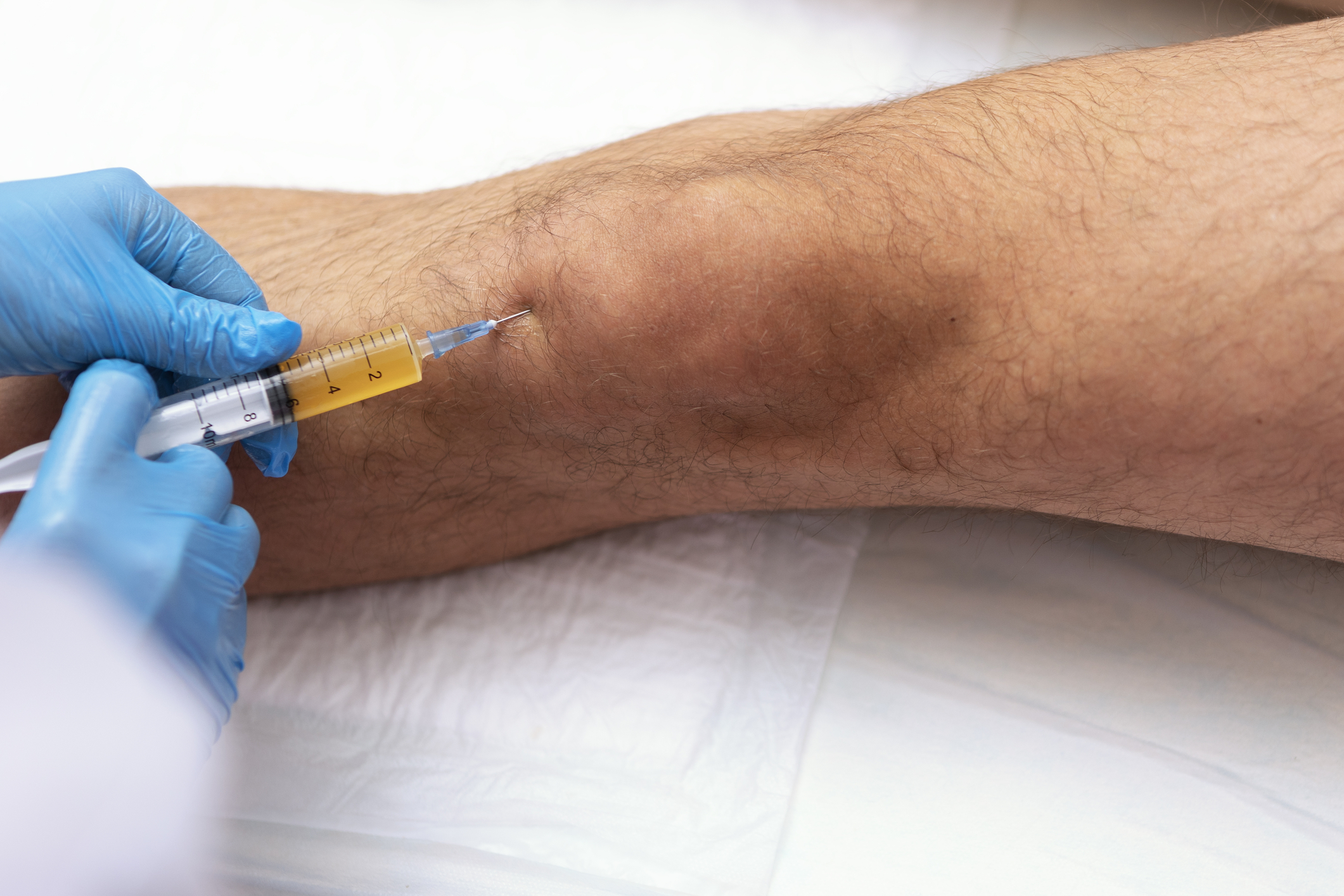
Targeted nerve blocks are used to interrupt abnormal nerve signaling. For example, a stellate ganglion block targets sympathetic nerves in the neck and may be used for certain head, neck, arm, or sympathetically maintained pain conditions.[11] Other types of sympathetic nerve blocks may be used depending on the location and pattern of pain.
The goal is not to “numb everything.” It is to help reset irritated nerve pathways and quiet the cycle of ongoing pain amplification. These procedures are usually part of a bigger, multidisciplinary plan that may also include physical therapy, nervous system regulation techniques, medication when appropriate, and stress management support.
How Targeted Treatment Can Help Chronic Pain
If you’ve been told your imaging looks “normal,” but you’re still in pain, that doesn’t mean nothing is wrong. It may mean autonomic dysfunction is playing a bigger role than anyone realized.
When the ANS remains stuck in survival mode, pain can persist even after tissues have healed. This is why ANS dysfunction and chronic pain are so closely connected. The encouraging part is that we now understand much more about how this system influences chronic pain.
Targeted treatment, including selected interventional procedures within a comprehensive plan, can help calm an overactive nervous system and reduce ongoing pain. Chronic pain is not a personal failure. It is often the result of a nervous system that has been working overtime. But with the right support, your nervous system can begin to settle and function more normally again.
Disclaimer: This content is for educational purposes only and is not a substitute for medical advice, diagnosis, or treatment. Pain conditions and treatment options vary from person to person, so always talk with a qualified healthcare provider about what’s right for you. If you experience sudden or worsening pain, or symptoms like numbness, weakness, chest pain, shortness of breath, or changes in bladder or bowel control, seek medical care right away.
Resources:
- Hohenschurz-Schmidt DJ, Calcagnini G, Dipasquale O, et al.Linking Pain Sensation to the Autonomic Nervous System: The Role of the Anterior Cingulate and Periaqueductal Gray Resting-State Networks. Front. Neurosci [Internet]. (2020) 14:147. doi: 10.3389/fnins.2020.00147 Accessed February 28, 2026. Available from: https://www.frontiersin.org/journals/neuroscience/articles/10.3389/fnins.2020.00147/full
- Dysautonomia. Cleveland Clinic [Internet]. Accessed February 28, 2026. Available from: https://my.clevelandclinic.org/health/diseases/6004-dysautonomia
- Billet B, Goudman L, Philippe Rigoard, et al. Effect of neuromodulation for chronic pain on the autonomic nervous system: a systematic review. BJA Open [Internet]. 2024;11:100305-100305. doi:https://doi.org/10.1016/j.bjao.2024.100305 Accessed February 28, 2026. Available from: https://www.sciencedirect.com/science/article/pii/S2772609624000492
- Arslan D, Ünal Çevik I. Interactions between the painful disorders and the autonomic nervous system. Agri [Internet]. 2022;34(3):155–165 doi: 10.14744/agri.2021.43078 Accessed February 28, 2026. Available from: https://pdf.journalagent.com/agri/pdfs/AGRI-43078-REVIEW-UNAL_CEVIK.pdf
- Waxenbaum JA, Reddy V, Das JM. Anatomy, Autonomic Nervous System. [Updated 2025 Dec 1]. In: StatPearls [Internet]. Treasure Island (FL): StatPearls Publishing; 2025 Jan-. Accessed February 28, 2026. Available from: https://www.ncbi.nlm.nih.gov/books/NBK539845/
- Barakat A, Vogelzangs N, Licht CMM, et al. Dysregulation of the autonomic nervous system and its association with the presence and intensity of chronic widespread pain. Arthritis Care & Research. 2012;64(8):1209-1216. doi:https://doi.org/10.1002/acr.21669 Accessed February 28, 2026. Available from: https://acrjournals.onlinelibrary.wiley.com/doi/epdf/10.1002/acr.21669?prg140729=598fef8a-c71a-41db-be20-894a7c9486bd
- Chung T. COVID-19 and POTS: Is There a Link? Johns Hopkins Medical [Internet]. Updated January 08, 2025. Accessed February 28, 2026. Available from: https://www.hopkinsmedicine.org/health/conditions-and-diseases/coronavirus/covid19-and-pots-is-there-a-link
- Deng JJ, Zhang CL, Liu DW, Huang T, Xu J, Liu QY, Zhang YN. Treatment of stellate ganglion block in diseases: Its role and application prospect. World J Clin Cases. 2023 Apr 6;11(10):2160-2167. doi: 10.12998/wjcc.v11.i10.2160. PMID: 37122525; PMCID: PMC10131013. Accessed February 28, 2026. Available from: https://pmc.ncbi.nlm.nih.gov/articles/PMC10131013
- Galang E, De Simon D. Autonomically Mediated Pain-Autonomic Pain Syndromes. PM&R KnowledgeNow [Internet]. Updated December 17, 2025. Accessed March 3, 2026. https://now.aapmr.org/autonomically-mediated-pain-autonomic-pain-syndromes/
- Bradley LA. Pathophysiology of fibromyalgia. Am J Med. 2009 Dec;122(12 Suppl):S22-30. doi: 10.1016/j.amjmed.2009.09.008. PMID: 19962493; PMCID: PMC2821819. Accessed February 28, 2026. Available from: https://pmc.ncbi.nlm.nih.gov/articles/PMC2821819/
- LeBouef T, Yaker Z, Whited L. Physiology, Autonomic Nervous System. [Updated 2023 May 1]. In: StatPearls [Internet]. Treasure Island (FL): StatPearls Publishing; 2025 Jan-. Accessed February 28, 2026. Available from: https://www.ncbi.nlm.nih.gov/sites/books/NBK538516