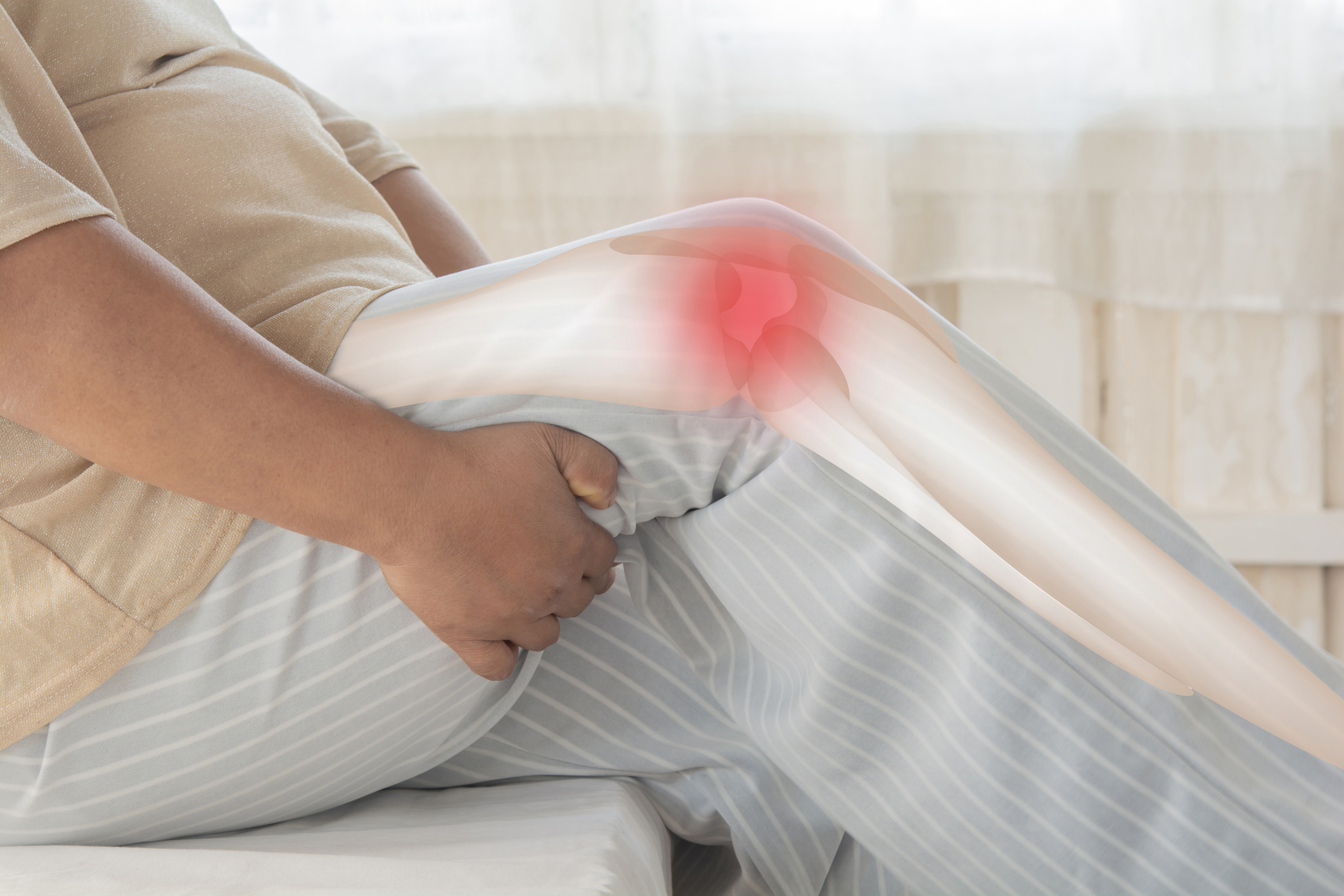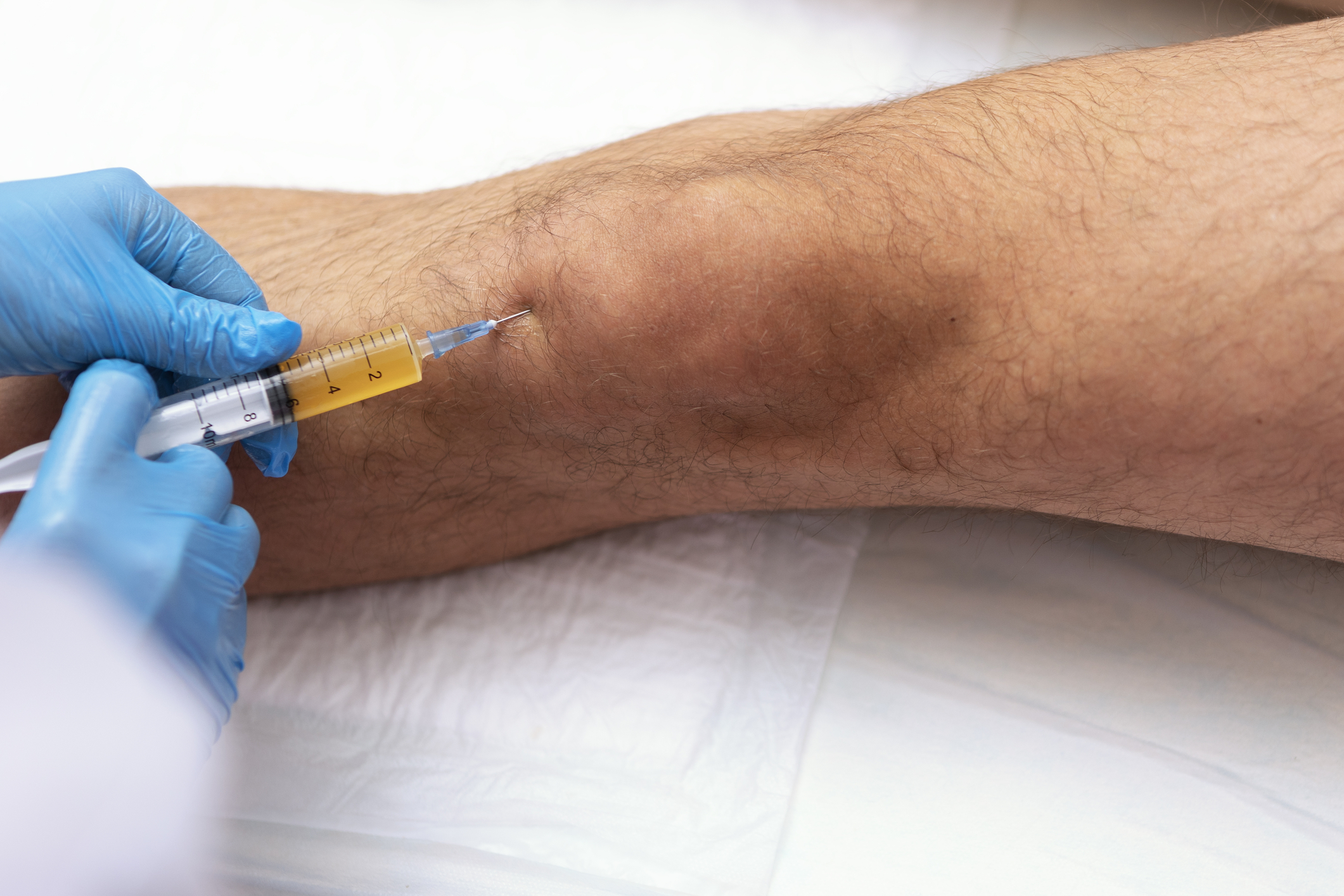

If you’ve ever been asked, “On a scale of 0 to 10, how bad is your pain?” and thought, “That doesn’t really explain what I’m dealing with”, you’re not alone.
That mysterious, hard-to-determine number is your pain score. It can be helpful to medical professionals, but it doesn’t tell the whole story. In fact, one of the most essential distinctions in modern pain care is the difference between pain severity and pain impact.
Understanding that difference can change how pain is assessed, how treatment decisions are made, and how supported you feel along the way.
How Severe Is The Pain?
Pain severity refers to the intensity of your pain or how strong it feels at a given moment. How much it hurts is what pain scales are designed to measure, often using a 0–10 rating, descriptive terms like mild (1–3), moderate (4–6), or severe (7–10), or visual tools such as the happy/sad faces scale commonly used in children or patients with communication difficulties.[1]
Severity matters. Mild pain may be annoying. Moderate pain is harder to ignore and may require coping strategies. Severe pain is intense and overwhelming.
Tracking pain intensity over time helps clinicians:
- Monitor flares and improvements [2]
- Evaluate how treatments or procedures are working [3]
- Identify patterns related to activity, stress, or sleep [4]
But pain severity has diagnostic limits. Two people with the same diagnosis and the same pain score can have very different day-to-day experiences, which is why your pain intensity number doesn’t tell the whole story.[5] This intersection is where pain impact becomes just as important as pain intensity.
How Pain Affects Your Life
Pain impact focuses on how pain interferes with your ability to live your life, not just how intense it feels. This assessment includes how pain affects your day-to-day functioning. Does your pain interrupt your sleep, work, movement, clear thinking, or participation in relationships and activities that matter to you?[6]
Pain impact may show up as:
- Avoiding activities you used to enjoy [7]
- Poor or disrupted sleep due to pain [4]
- Increased irritability, anxiety, or emotional exhaustion [8]
- Difficulty concentrating or maintaining productivity at work or school [6]
- Reduced physical activity due to fear of making pain worse
This is why someone with “only” a 3 or 4 out of 10 pain score can still feel completely worn down. The pain may not always be severe, but its impact can be.
Why Pain Specialists Ask About More Than a Number
Pain is personal, but it’s also complex. A single pain score can’t capture how pain behaves across real life or how it affects your ability to function, rest, and participate in life.[1] That’s why pain specialists look beyond numbers to understand the bigger picture and create treatment plans that actually fit your life.
Your Pain Scores Don’t Tell the Whole Story
Pain scales are helpful, but they only offer a snapshot, not the whole movie. A single number reflects how pain feels ‘right now’, but not how it changes throughout the day, how long it lasts, or what it prevents you from doing.[2] Two people with the same pain score can have very different experiences, which is why pain severity alone can’t guide care decisions.[5]
Daily Function Reveals Pain’s True Reach
Questions about walking, sitting, sleeping, working, or caring for yourself aren’t meant to minimize your pain or shame you. They help your provider understand how much pain is actually interfering with your daily function.[6] Changes in activity level, routine, or independence often reveal pain impact earlier than rising pain scores and can signal when pain is becoming more complex.[7]
Your Sleep, Mood, and Stress Shape Pain Outcomes
Pain doesn’t exist in isolation. Poor sleep, ongoing stress, and emotional strain can increase pain sensitivity and make symptoms more complicated to manage.[4] When your pain doctor asks about sleep quality, anxiety, or mood changes, they’re looking for factors that may be amplifying pain and slowing recovery.[8]
Patterns Matter More Than Isolated Numbers
Pain journals and symptom tracking help identify patterns that are easy to miss during short appointments. Tracking symptoms over time can reveal triggers, functional changes, and treatment response more accurately than isolated pain ratings.[4] They also help you avoid those moments when you leave an appointment and realize you forgot to mention several things! These patterns often guide treatment planning more effectively than a single pain score.[3]
Pain Management Care Plans Focus on Function, Not Just Relief
In interventional pain management, the goal isn’t just to lower a pain score; it’s to help you move better, sleep better, and live more fully.[6] Understanding how pain impacts your life helps providers develop thoughtful treatment planning strategies that reflect your daily challenges, priorities, and goals. This approach allows providers to recommend treatments and quality-of-life alternatives that support long-term function and independence.[9]
Rethinking What “Success” Looks Like in Pain Care
Many patients worry that treatment has failed if pain doesn’t disappear completely. In reality, success in interventional pain management often looks like better sleep, improved mobility, greater participation in daily activities, and less fear of movement, even if some pain remains.[6] Lowering pain severity matters, but reducing pain’s overall impact on your daily life is what helps people reclaim their lives.
Beyond the Numbers: Reducing Pain Impact to Regain Quality of Life
Understanding the difference between pain severity and pain impact helps validate experiences that might otherwise feel dismissed. It explains why your pain can be “manageable” on paper but exhausting in real life and why both deserve attention.
If pain is limiting what you can do, how you sleep, or how you engage with the world, that information matters. Paying attention to the impact of pain allows you and your care team to address it earlier, more thoughtfully, and more effectively.
Pain isn’t just a number on a scale or about how much it hurts—it’s about how much it takes from you. And good pain care looks at both: protecting your nervous system and helping you get back to living, not just coping.
Disclaimer: This content is for educational purposes only and is not a substitute for medical advice, diagnosis, or treatment. Pain conditions and treatment options vary from person to person, so always talk with a qualified healthcare provider about what’s right for you. If you experience sudden or worsening pain, or symptoms like numbness, weakness, chest pain, shortness of breath, or changes in bladder or bowel control, seek medical care right away.
Resources:
- Pain Assessment and Measurements. International Association for the Study of Pain (IASP) [Internet]. Published July 13, 2021. Accessed January 30, 2026. Available from: https://www.iasp-pain.org/resources/topics/pain-assessment-and-measurements/
- Eccleston C, Begley E, Birkinshaw H, Choy E, Crombez G, Fisher E, Gibby A, Gooberman-Hill R, Grieve S, Guest A, Jordan A, Lilywhite A, Macfarlane GJ, McCabe C, McBeth J, Pickering AE, Pincus T, Sallis HM, Stone S, Van der Windt D, Vitali D, Wainwright E, Wilkinson C, de C Williams AC, Zeyen A, Keogh E. The establishment, maintenance, and adaptation of high- and low-impact chronic pain: a framework for biopsychosocial pain research. Pain [Internet]. 2023 Oct 1;164(10):2143-2147. doi: 10.1097/j.pain.0000000000002951. Epub 2023 Jun 16. PMID: 37310436; PMCID: PMC10502876. Accessed January 30, 2026. Available from: https://pmc.ncbi.nlm.nih.gov/articles/PMC10502876/
- Hay G, Korwisi B, Rief W, Smith BH, Treede RD, Barke A. Pain severity ratings in the 11th revision of the International Classification of Diseases: a versatile tool for rapid assessment. Pain [Internet]. 2022 Dec 1;163(12):2421-2429. doi: 10.1097/j.pain.0000000000002640. Epub 2022 Mar 22. PMID: 35316821. Accessed January 30, 2026. Available from: https://pubmed.ncbi.nlm.nih.gov/35316821/
- von Korff M, DeBar LL, Krebs EE, Kerns RD, Deyo RA, Keefe FJ. Graded chronic pain scale revised: mild, bothersome, and high-impact chronic pain. Pain [Internet]. 2020 Mar;161(3):651-661. doi: 10.1097/j.pain.0000000000001758. PMID: 31764390; PMCID: PMC7097879. Accessed January 30, 2026. Available from: https://pmc.ncbi.nlm.nih.gov/articles/PMC7097879/
- Friend R, Bennett RM. Evaluating Disease Severity in Chronic Pain Patients with and without Fibromyalgia: A Comparison of the Symptom Impact Questionnaire and the Polysymptomatic Distress Scale. The Journal of Rheumatology. 2015;42(12):2404-2411. doi:https://doi.org/10.3899/jrheum.150443 Accessed January 30, 2026. Available from: https://www.jrheum.org/content/42/12/2404
- Rambla C, Aragonès E, Pallejà-Millán M, Tomé-Pires C, López-Cortacans G, Sánchez-Rodríguez E, Miró J. Short and long-term predictors of pain severity and interference in primary care patients with chronic musculoskeletal pain and depression. BMC Musculoskelet Disord. 2023 Apr 5;24(1):270. doi: 10.1186/s12891-023-06357-2. PMID: 37020278; PMCID: PMC10074832. Accessed January 30, 2026. Available from: https://pmc.ncbi.nlm.nih.gov/articles/PMC10074832/
- Mutubuki EN, Beljon Y, Maas ET, Huygen FJPM, Ostelo RWJG, van Tulder MW, van Dongen JM. The longitudinal relationships between pain severity and disability versus health-related quality of life and costs among chronic low back pain patients. Qual Life Res. 2020 Jan;29(1):275-287. doi: 10.1007/s11136-019-02302-w. Epub 2019 Sep 17. PMID: 31531837; PMCID: PMC6962124. Accessed January 30, 2026. Available from: https://pmc.ncbi.nlm.nih.gov/articles/PMC6962124
- Mendoza ME, Gertz KJ, Jensen MP. Contributions of four pain domains to the prediction of patient functioning and pain interference. Psychology & Neuroscience [Internet]. 2014;7(1):3-8. doi:https://doi.org/10.3922/j.psns.2014.1.02 Accessed January 30, 2026. Available from: https://www.scielo.br/j/pn/a/jGNCKrgvDGPT5T6YTmdsG4t/?format=html&lang=en
- Basem JI, White RS, Chen SA, et al. The effect of obesity on pain severity and pain interference. Pain Management. 2021;11(5):571-581. doi:https://doi.org/10.2217/pmt-2020-0089 Accessed January 30, 2026. Available from: https://www.tandfonline.com/doi/full/10.2217/pmt-2020-0089