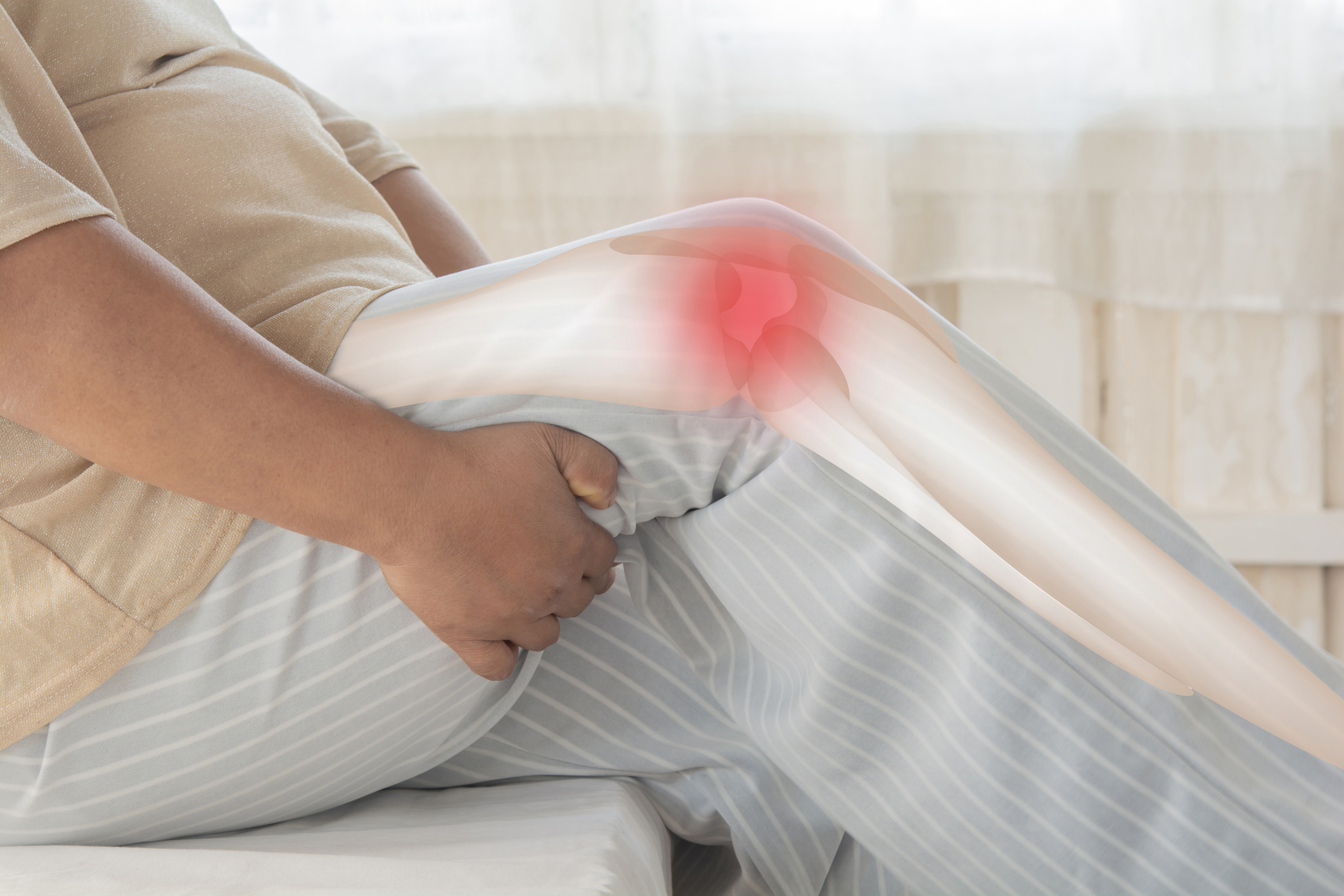
When joint pain, an injury or a chronic condition keeps interfering with your life, surgery may begin to feel inevitable. But it is not always the next or only step.
Regenerative medicine offers nonsurgical treatment options for certain painful joint, tendon, ligament, muscle and spinal conditions. And despite what the name may suggest, these treatments are not reserved for older adults. Athletes, active adults, weekend warriors and people recovering from musculoskeletal injuries may also be candidates.
When determining whether regenerative medicine may be right for you, the more important questions are what is causing your pain, how much damage is present and whether the affected tissue can reasonably respond to treatment.
How Does Regenerative Medicine Help With Pain?
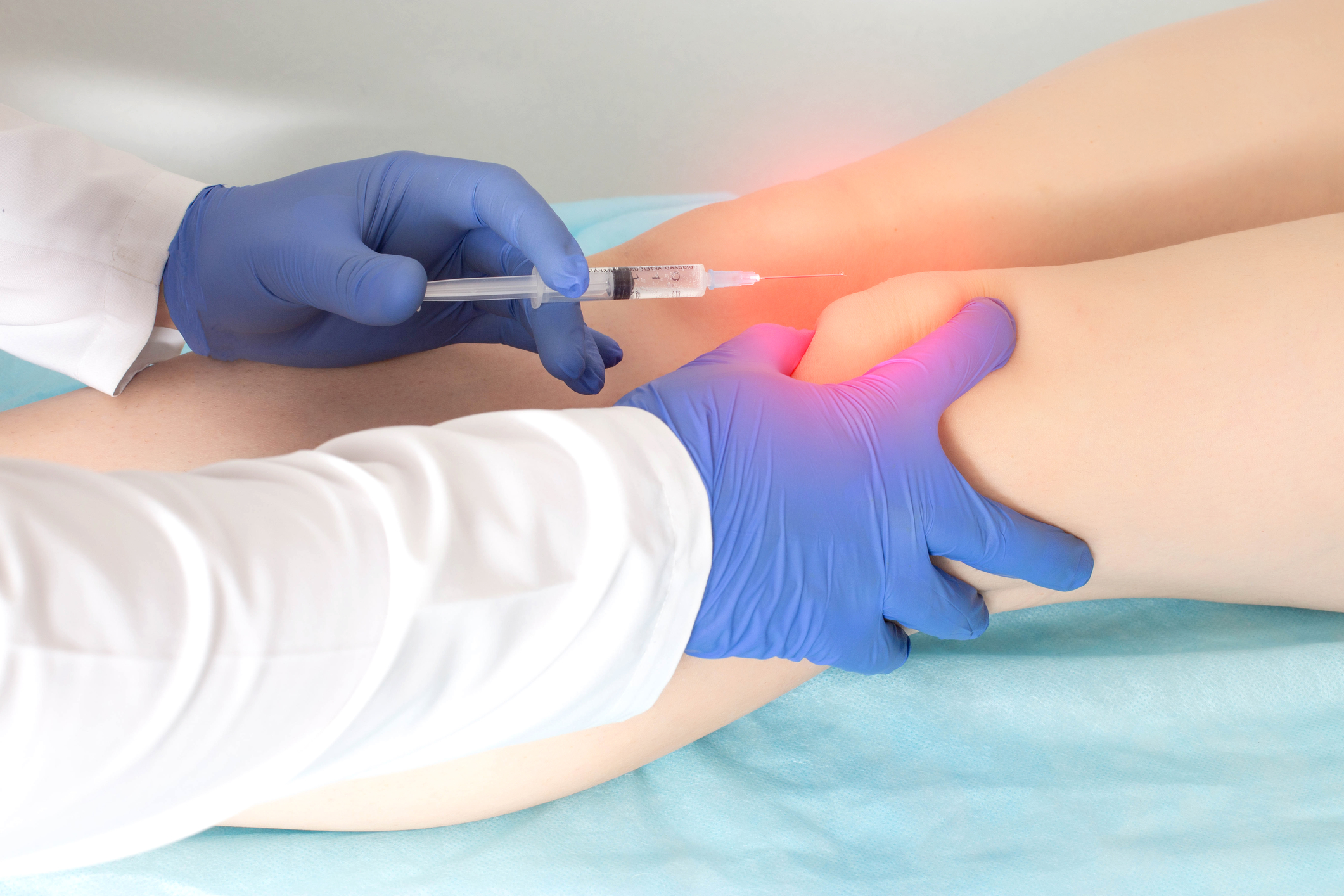
Regenerative medicine is a broad term for treatments intended to support natural healing, encourage tissue repair, influence inflammation or improve the environment surrounding damaged tissue. In pain management, this may include platelet-rich plasma (PRP), cell-based therapies, prolotherapy, hyaluronic acid viscosupplementation and nucleus pulposus allograft supplementation such as VIA Disc NP.[1]
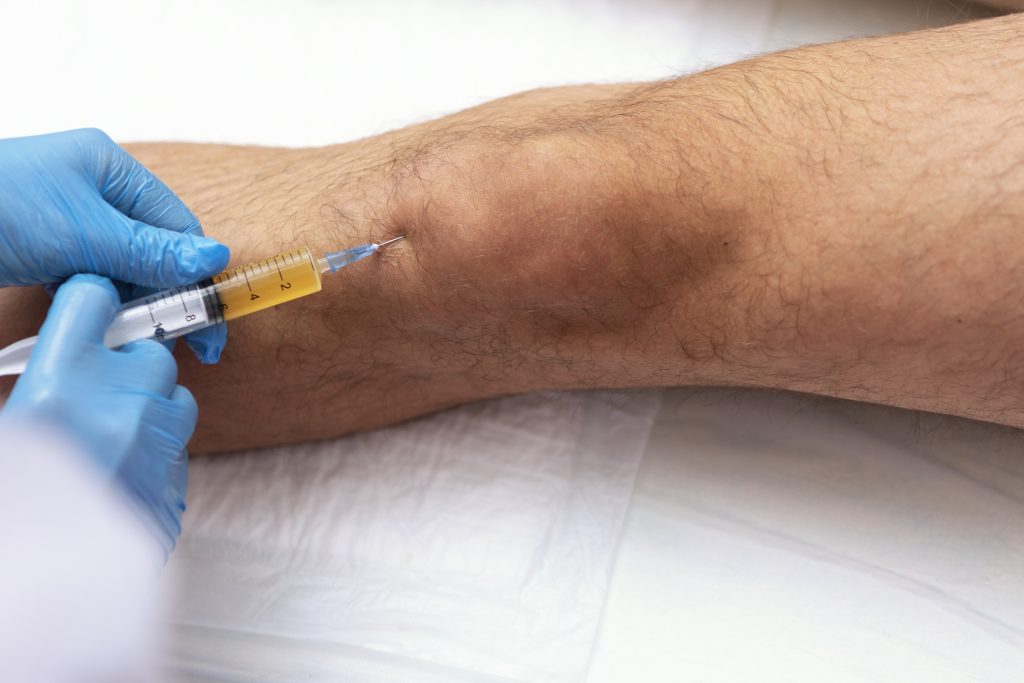
These treatments do not all work the same way. PRP uses concentrated platelets from your own blood, while prolotherapy commonly uses a dextrose solution to stimulate a controlled healing response.[2; 3] Hyaluronic acid improves lubrication inside an arthritic knee rather than directly regenerating cartilage.[1]
A regenerative treatment may be used alone or combined with lifestyle adjustments, physical therapy, rehabilitation, complementary therapies and other interventional pain treatments. The goal is not simply to cover up pain. It is to improve function and help you return to the activities that matter to you.
What Makes Someone a Good Candidate for Regenerative Therapy?
Even though they use your body’s natural healing abilities, regenerative therapies are not right for every patient. However, you may be a candidate if several of the following apply.
You Have a Treatable Musculoskeletal Condition
Regenerative and orthobiologic treatments are used for select cases of osteoarthritis, tendinopathy, ligament and muscle injuries and certain spinal conditions.[1] This may include a sports injury, overuse injury, chronic joint pain or pain that continues after an injured area should have healed.
Some biologic treatments are also being studied or used to support healing alongside surgery, although the potential benefit depends on the procedure and condition.[4]
Conservative Treatment Has Not Provided Enough Relief
You may be considering regenerative medicine because rest, medication, activity changes, injections or physical therapy have not provided lasting improvement. Prolotherapy, for example, may be considered for chronic musculoskeletal pain that has not responded to standard conservative care.[1]
This does not mean you must try every possible treatment first. Your physician simply needs to understand what you have tried, what helped and why your pain continues.
Imaging Shows a Clear Treatment Target
Pain alone is not the whole diagnosis. An examination and imaging, such as an X-ray, MRI or ultrasound, can help identify arthritis, tendon damage, ligament injury or disc-related changes.
When appropriate, image-guided injections can also help the physician deliver treatment directly to the intended joint, tendon or spinal structure. Earlier-stage knee osteoarthritis may respond better to PRP than advanced joint degeneration.[1]
You Have Realistic Expectations About the Timeline
Regenerative medicine is not an overnight cure, and no treatment can guarantee that damaged tissue will completely regenerate. Well-selected patients with certain chronic pain conditions may experience improved pain, function or quality of life, but results vary by treatment and diagnosis.[4]
So, how long does regenerative medicine take to work? Improvement may develop gradually over several weeks or months. PRP can take a few weeks to produce noticeable changes, and some patients need more than one treatment.[2] Following your rehabilitation and post-procedure plan may also support your recovery.
Who May Not Be a Candidate for Regenerative Treatment?
Treatment may need to be delayed or avoided if you have an active infection, bleeding disorder or certain uncontrolled health conditions. Severe platelet disorders may rule out PRP, while cell-based therapies may not be recommended for patients with active cancer or significantly weakened immune systems.[1]
Severe joint destruction, a complete tendon or ligament rupture, major instability or a condition requiring urgent surgery may need a different approach. That does not mean nothing can help. It means the treatment plan must match the actual problem.
Could Regenerative Medicine Help You Move Forward Without Surgery?
Your age alone does not determine whether you are a candidate. Your diagnosis, overall health, tissue damage, previous treatment and personal goals all matter.
An interventional pain specialist can review your symptoms, examination and imaging to determine whether PRP, viscosupplementation, prolotherapy, cell-based therapy, VIA Disc NP or another nonsurgical pain treatment belongs in your plan. Regenerative medicine may not be right for everyone, but for the right patient, it may offer another way to reduce pain, restore function and keep moving forward.
Disclaimer: This content is for educational purposes only and is not a substitute for medical advice, diagnosis, or treatment. Pain conditions and treatment options vary from person to person, so always talk with a qualified healthcare provider about what’s right for you. If you experience sudden or worsening pain, or symptoms like numbness, weakness, chest pain, shortness of breath, or changes in bladder or bowel control, seek medical care right away.
Resources
- Patel NC, Das JM, Aijaz T. Regenerative Therapy in Pain. [Updated 2026 Jan 31]. In: StatPearls [Internet]. Treasure Island (FL): StatPearls Publishing; 2026 Jan-. Accessed August 26, 2026. Available from: https://www.ncbi.nlm.nih.gov/books/NBK578202/
- Platelet-Rich plasma (PRP Injection). Cleveland Clinic [Internet]. Accessed August 26, 2026. Available from: https://my.clevelandclinic.org/health/treatments/platelet-rich-plasma-prp-injection
- Prolotherapy. Cleveland Clinic [Internet]. Accessed August 26, 2026. Available from: https://my.clevelandclinic.org/health/treatments/22426-prolotherapy
- D'Souza RS, Her YF, Hussain N, et al. Evidence-Based Clinical Practice Guidelines on Regenerative Medicine Treatment for Chronic Pain: A Consensus Report from a Multispecialty Working Group. J Pain Res [Internet]. 2024 Sep 11;17:2951-3001. doi: 10.2147/JPR.S480559. PMID: 39282657; PMCID: PMC11402349. Accessed August 26, 2026. Available from: https://pmc.ncbi.nlm.nih.gov/articles/PMC11402349/