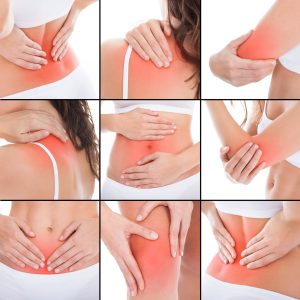
Osteoarthritis (OA) is the most common type of arthritis and affects over 32.5 million American adults.[1] While it affects a large portion of the aging population, it is not a direct consequence of aging. OA causes stiffness, inflammation and pain, usually due to overuse, previous injury, or being overweight.
About Osteoarthritis (OA)
Osteoarthritis (OA) is the most common type of arthritis, often called degenerative joint disease (DJD).[2] In a healthy joint, the bone ends are protected by cartilage, which is smooth and slippery. It allows bones within a joint to move smoothly and comfortably against each other. [3]
Over time, if that joint is damaged or abused, the cartilage that protects the bone ends in your joints wears down.[4] As the cushiony cartilage wears down to nothing, bones rub against each other with every movement, causing intense pain, swelling, and decreased joint movement.[3]
Arthritis can affect any joint, but it most commonly occurs in the knees, hips, lower back, neck, and hands.[5] OA can be found in your fingers, causing swelling and tenderness.[5] Without proper care to slow OA’s progression, joint pain, stiffness, and inflammation worsens, making daily life challenging, including simple things like walking or writing.”Arthritis” means “joint inflammation”. The primary mechanism of arthritis is a degenerative redness and swelling (inflammation) of joint and connective tissue.[5] Over time, the cartilage between the bone ends breaks down due to wear or immune system attacks.[2] The resulting pain can range from mild discomfort to severe, debilitating pain and is the leading cause of disability in the US.[3] Most patients experience chronic joint pain that affects daily activities, making walking and stair climbing painful and difficult.[3]
Osteoarthritis Symptoms
Symptoms of arthritic joint pain can vary depending on the severity of the condition and the joints affected.
The most common OA symptoms include:
Joint pain
Join stiffness in the morning or after inactivity
Swelling and inflammation
Loss of flexibility or limited range of movement
Tenderness
Grinding sensation in joints
Bone spurs and deformed joints
Joint instability
Joint deformity (looks different than it used to)
Osteoarthritis Causes
Osteoarthritis is often referred to as the “wear and tear” disease because its primary cause is the gradual deterioration of joint cartilage. This deterioration or breakdown is usually caused by overuse or repeated stress on those joints. Essentially, the cartilage just “wears out, ” much like parts on your car.
According to the Arthritis Foundation, several factors can contribute to OA joint degeneration; these include:
Genetics
Past injuries, including torn cartilage, dislocated joints or injured ligaments
While there may not be a cure for osteoarthritis, effective management can help reduce pain, preserve joint function and improve quality of life. At-home treatment, including cold therapy, rest and over-the-counter pain relievers, can help ease mild cases of OA. Topical analgesics (gels, creams, ointments, etc.) offer pain and anti-inflammatory relief without the systemic side effects of oral medications.
Along with medication, your treatment plan should include lifestyle changes that can improve mobility and enhance quality of life. Exercise and low-impact activities like swimming, walking and yoga can keep your joints flexible and increase your range of motion.[6]. Eating an anti-inflammatory diet, maintaining a healthy weight and avoiding smoking can also help support joint health.
Physical therapy can help improve your gait, muscle strength and overall joint function. They can help fit you with supportive devices like a walking cane or knee braces to stabilize the joint.
Complementary therapies like massage, meditation, acupuncture, relaxation and mindfulness. These work well alongside conventional and interventional treatments to improve joint pain and boost mood and overall physical and mental wellness.[7]
Advanced pain management options target OA discomfort and pain at its source. Pain management clinics offer minimally-invasive interventional procedures that provide long-term pain relief, such as:
When to Consult an Osteoarthritis Pain Care Specialist
If you’re dealing with constant joint pain, stiffness or mobility issues due to arthritis, it’s time to consult a pain control physician. OTC medications, topical pain relievers and lifestyle changes may help with mild OA symptoms, but patients with more advanced, chronic cases can find relief at pain management clinics. They’ll create a whole-body treatment plan that includes lifestyle changes, medication, physical therapy and cutting-edge interventions that help when conventional treatments fail.
Left untreated, osteoarthritis can slowly limit daily functionality and mobility. If you find your pain is keeping you from managing daily life and self-care no longer keeps your pain under control, pain management is essential. A comprehensive approach to treating your OA will provide relief and slow the progression of this degenerative joint disease.
Consult your physician if your joint pain is accompanied by swelling, redness, warmth, tenderness or fever. Seek immediate medical help if you experience sudden swelling, unusual pain, joint deformity, or can’t use the joint.
Osteoarthritis. National Institute of Arthritis and Musculoskeletal and Skin Diseases [Internet]. Published September 2023. Accessed December 18, 2024. Available from: https://www.niams.nih.gov/health-topics/osteoarthritis
Whelan C, Heitz D, Higuera V. Everything You Need to Know About Osteoarthritis. Healthline [Internet]. Published January 9, 2018. Accessed December 18, 2024. Available from: https://www.healthline.com/health/osteoarthritis