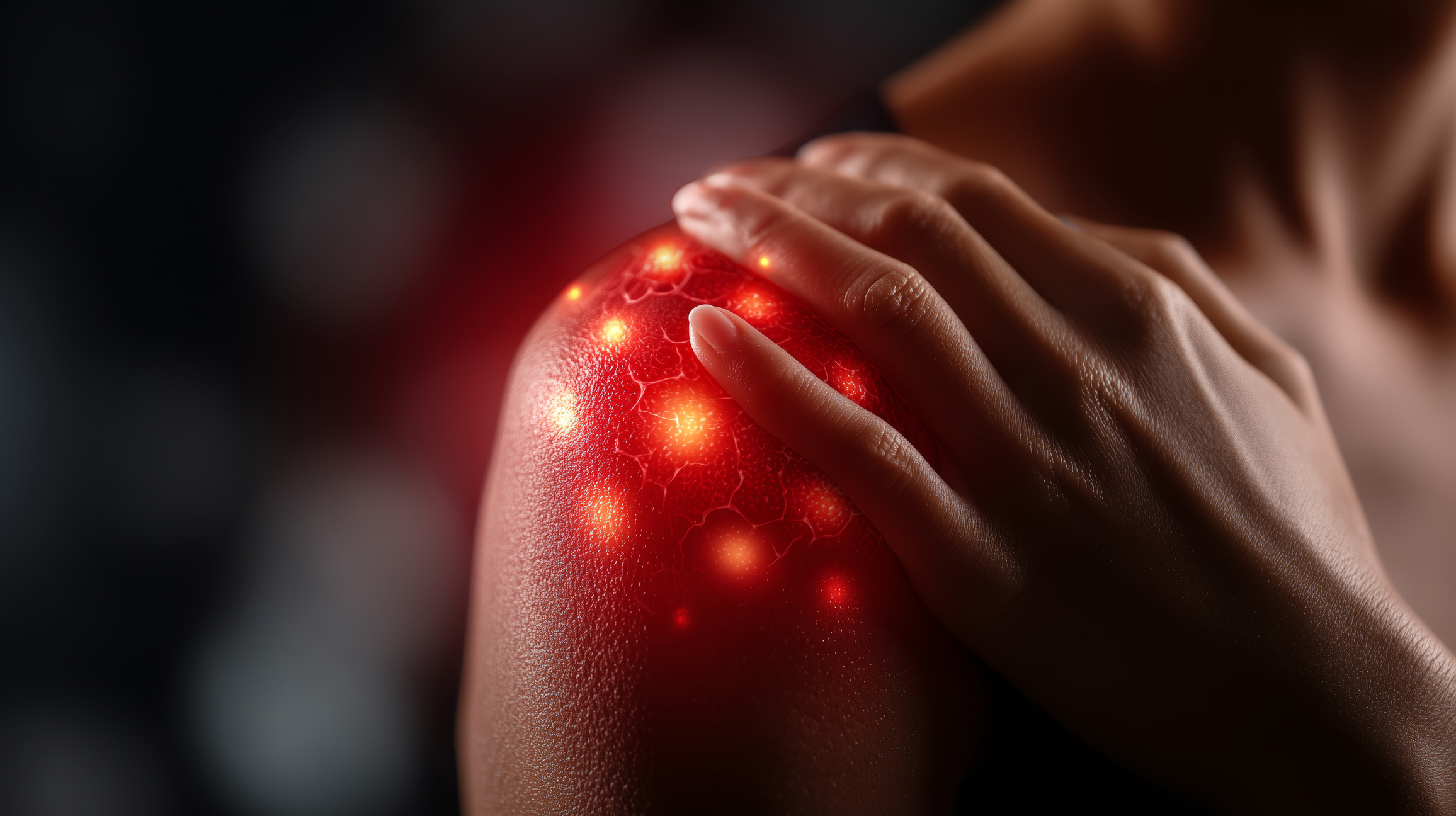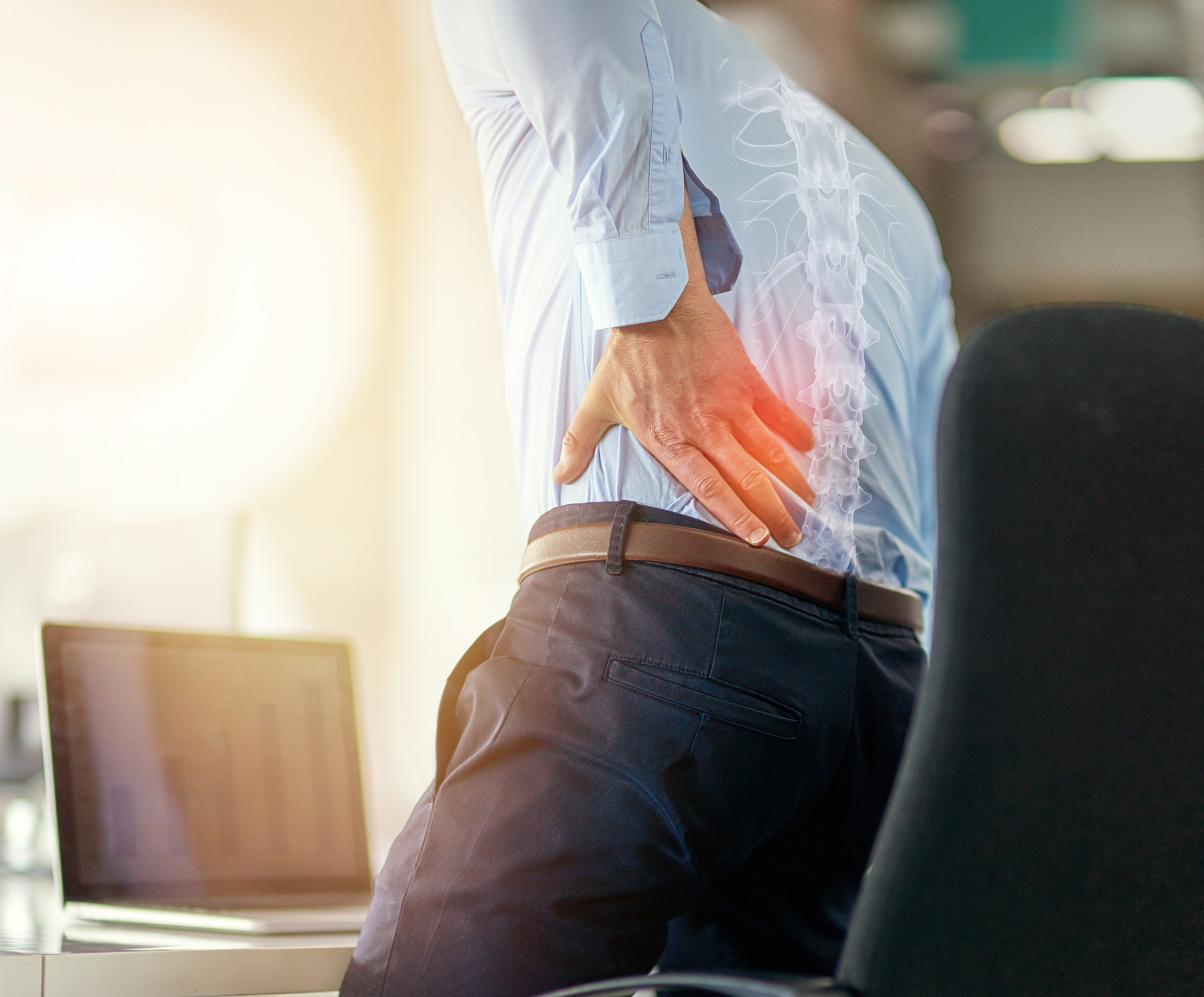
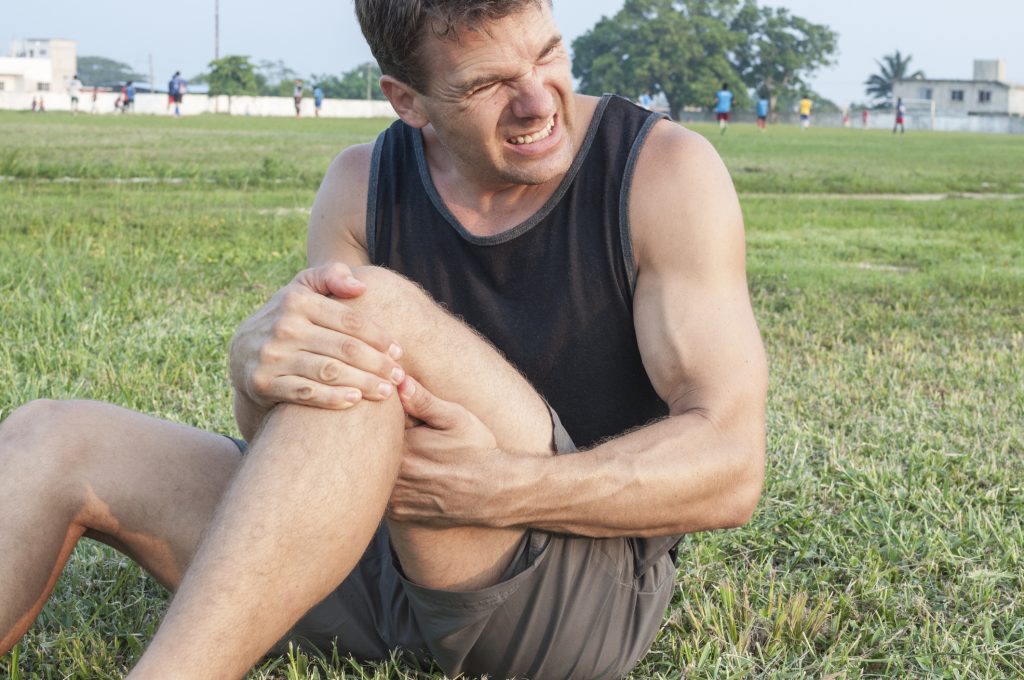
You did everything right. Rested, applied ice, and kept your follow-up appointments. The broken bone healed. The deep wound closed. The swelling after the car accident went down. The sports injury rehab is done. Maybe your imaging even looks normal.
If you’re still dealing with pain months after a slip and fall, surgery or any type of accidental injury, you are not imagining it. Persistent pain after healing is medically recognized and far more common than you may think.
Pain Is Your Body’s Protection System, Not Just a Symptom
Pain isn’t just a signal from injured tissue. It’s a protective response, like a warning system, created by your nervous system and brain.[1] Your brain evaluates potential danger and decides when to sound the alarm, producing pain.[2]
When an injury, such as a broken bone, deep wound, sports injury, slip-and-fall, or car accident, is new, the pain helps you protect the area while it heals. But sometimes your nervous system stays on high alert even after tissues repair and bones mend.
Chronic pain is defined as pain lasting longer than 3 months, even after the original injury has healed.[3; 4]
Reasons Your Healed Injury May Continue To Hurt Long After Recovery
It’s not your imagination that your healed-up injury is still ouchy, stiff, sensitive or achy. There are real physiological reasons why. Persistent pain after fractures, surgery, accidents, trauma, punctures, or strains can result in changes in your nervous system, scar tissue, inflammation or movement patterns without ongoing damage.
Here are some common reasons your pain lingers after injury recovery:
Your Nervous System Can Become “Sensitized”
After an injury, the nerves that carry pain signals can become more responsive. Your brain can also amplify pain signals over time, also known as central sensitization.[2; 5] This means the alarm system becomes overly protective.
Chronic pain can exist even when there is no ongoing tissue damage because of changes in how your nervous system processes signals.[6]
This is why:
- A healed surgical site may still feel tender.
- An old ankle fracture may ache during weather changes.
- The area around a scar may remain sensitive.
Scar Tissue Formation and Structural Changes
When your body heals from surgery or deep wounds, it forms scar tissue. It’s strong, but not identical to the original tissue.[7; 8] Cartilage damage in injured joints can lead to post-traumatic arthritis years later.[9]
Scar tissue can:
- Limit mobility
- Create tightness
- Irritate nearby nerves
Nerve Injury or Neuropathy
Healing nerves that have been stretched, compressed, cut, or otherwise damaged isn’t always simple — and it’s definitely not always predictable.
Peripheral nerve injuries can cause burning, tingling, numbness, or shooting pain.[10] When a nerve is injured, it can continue sending abnormal or exaggerated signals to the brain. The severity of the injury is just one factor that determines whether normal function fully returns.[11]
Chronic pain is also common after traumatic brain injury because of changes in how the brain processes pain signals.[12] Unlike peripheral nerves, the central nervous system does not repair itself in the same way, but it can reorganize and adapt over time (neuroplasticity).[13]
Lingering Inflammation
Even after visible healing, low-level inflammation can remain in the surrounding tissues, contributing to your stiffness and discomfort.[5]
You may describe inflammatory pain as:
- “It’s healed, but it still feels inflamed.”
- “It’s stiff and achy first thing in the morning.”
Muscular Compensation and Imbalances
After an injury, your body naturally compensates to protect itself. Over time, altered movement patterns, such as a limp or even the use of crutches, can strain other muscles and joints.
Changes in biomechanics and movement patterns can contribute to your persistent musculoskeletal pain.[14]
Psychological and Stress Factors
You already know that pain is processed in the brain. Stress, anxiety, trauma, and exhaustion can amplify pain signals because of the deep brain-body connection.[5].Emotional distress and psychological factors can increase pain sensitivity and influence how pain is experienced.[6
Knowing Why You Still Hurt After Your Injury Healed Matters in Interventional Pain Care
When pain becomes chronic, treatment shifts from “fixing an injury” to addressing the drivers keeping pain active. Interventional pain management helps bridge the gap between “healed” and “still hurting.”
Targeted procedures may include image-guided injections, nerve blocks, or radiofrequency ablation to quiet overactive nerves.
If nerve irritation or neuropathy is involved, treatments may aim to stabilize abnormal nerve signaling that can persist even after tissues heal.[11]
Movement also plays a role. Physical therapy and even yoga can help improve your chronic pain and function.[14; 15]
Chronic pain can include flare-ups that don’t necessarily mean a new injury.[4] Part of treatment involves identifying pain triggers and addressing other factors that can amplify pain, including post-surgical pain.[5]
Living With Pain After Healing?
Persistent pain does not mean you are broken. The nervous system can improve — especially with the right treatment.
Because pain is complex, treatment often requires a multidisciplinary approach. Interventional pain management combines targeted procedures, rehabilitation, nerve-focused therapies, and whole-body strategies to calm inflammation, reduce nerve overactivity, and restore movement.
Healing doesn’t always mean the pain disappears. Sometimes it means helping your body become less reactive and rebuilding confidence in movement.
If you’re still hurting long after an injury has healed, you deserve answers and a treatment plan that looks beyond normal imaging. Because your pain is real. And there is a path forward.
Disclaimer: This content is for educational purposes only and is not a substitute for medical advice, diagnosis, or treatment. Pain conditions and treatment options vary from person to person, so always talk with a qualified healthcare provider about what’s right for you. If you experience sudden or worsening pain, or symptoms like numbness, weakness, chest pain, shortness of breath, or changes in bladder or bowel control, seek medical care right away.
Resources:
- “Ouch, That hurts!” the Science of Pain. NIH MedlinePlus Magazine [Internet]. Published May 23, 2023. Accessed February 23, 2026. Available from: https://magazine.medlineplus.gov/article/ouch-that-hurts-the-science-of-pain
- What is chronic pain – Chronic pain and brain injury. Agency for Clinical Innovation – NSW [Internet]. Published 2024. Accessed February 23, 2026. Available from: https://aci.health.nsw.gov.au/chronic-pain/brain-injury/understanding-pain/what-is-pain
- Pain. National Institute of Neurological Disorders and Stroke (NINDS) [Internet]. Accessed February 23, 2026. Available from: https://www.ninds.nih.gov/health-information/disorders/pain
- What Is Chronic Pain? NHS Inform [Internet]. Accessed February 23, 2026. Available from: https://www.nhsinform.scot/illnesses-and-conditions/brain-nerves-and-spinal-cord/chronic-pain/what-is-chronic-pain/
- Managing Pain. NIH News in Health [Internet]. Published September 24, 2018. Accessed February 23, 2026. Available from: https://newsinhealth.nih.gov/2018/10/managing-pain
- Johnson S. Chronic Pain Can Exist Without Physical Injury. Psychology Today [Internet]. Published March 01, 2025. Accessed February 23, 2026. Available from: https://www.psychologytoday.com/us/blog/healing-the-pain-no-one-can-explain/202502/chronic-pain-can-exist-without-physical-injury
- Nall R. What to know about scar tissue pain. Medical News Today [Internet]. Accessed February 23, 2026. Available from: https://www.medicalnewstoday.com/articles/scar-tissue-pain
- Cherney K. Why Scar Tissue Pain Occurs and What You Can Do About It. Healthline [Internet]. Published March 07, 2019. Accessed February 23, 2026. Available from: https://www.healthline.com/health/scar-tissue-pain
- Post-Traumatic Arthritis. Cleveland Clinic [Internet]. Accessed February 23, 2026. Available from: https://my.clevelandclinic.org/health/diseases/14616-post-traumatic-arthritis
- Peripheral nerve injuries – Diagnosis and treatment. Mayo Clinic [Internet]. Published 2017. Accessed February 23, 2026. Available from: https://www.mayoclinic.org/diseases-conditions/peripheral-nerve-injuries/diagnosis-treatment/drc-20355632
- Peripheral Neuropathy. National Institute of Neurological Disorders and Stroke [Internet]. www.ninds.nih.gov. Published August 7, 2024. Accessed February 23, 2026. Available from: https://www.ninds.nih.gov/health-information/disorders/peripheral-neuropathy
- Traumatic Brain Injury and Chronic Pain: Part 1. Model Systems Knowledge Translation Center (MSKTC) [Internet]. Accessed February 23, 2026. Available from: https://msktc.org/tbi/factsheets/traumatic-brain-injury-and-chronic-pain-part-1
- Sharma M. Treating, repairing nervous system. Mayo Clinic Health System [Internet]. Published March 14, 2022. Accessed February 23, 2026. Available from: https://www.mayoclinichealthsystem.org/hometown-health/speaking-of-health/treating-repairing-nervous-system
- Fetz K, Lefering R, Kaske S. Pre-Trauma Pain Is the Strongest Predictor of Persistent Enhanced Pain Patterns after Severe Trauma: Results of a Single-Centre Retrospective Study. Medicina (Kaunas) [Internet]. 2023 Jul 19;59(7):1327. doi: 10.3390/medicina59071327. PMID: 37512138; PMCID: PMC10383629. Accessed February 23, 2026. Available from: https://pmc.ncbi.nlm.nih.gov/articles/PMC10383629/
- Chang DG, Holt JA, Sklar M, Groessl EJ. Yoga as a treatment for chronic low back pain: A systematic review of the literature. J Orthop Rheumatol [Internet]. 2016 Jan 1;3(1):1-8. PMID: 27231715; PMCID: PMC4878447. Accessed February 23, 2026. Available from: https://pmc.ncbi.nlm.nih.gov/articles/PMC4878447/