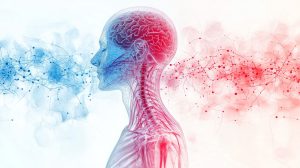
Spinal cord stimulation (SCS) relies on an implanted medical device to alleviate chronic pain by sending electrical impulses to the spinal cord.[1] These impulses interfere with transmitting pain signals to the brain, reducing pain sensations.[2] SCS is often used for individuals who have not found relief through conventional, nonsurgical pain management methods. [1] A spinal cord stimulator implanted for chronic pain can improve your quality of life and decrease the need for oral medication.
Here, we’ll examine how spinal cord stimulation works, its benefits and why you should seek treatment through reputable pain management clinics.
How Spinal Cord Stimulators Work
Spinal cord stimulation hardware consists of electrodes (wires), a battery pack and a control unit.[2] It’s a small device inserted under the skin and is connected to electrodes placed in the epidural space near the spinal cord.[2] The stimulator generates electrical impulses that disrupt pain signals before they reach the brain.
Patients can adjust the intensity of the stimulation using a remote control, allowing them to customize the therapy to their pain levels and activities.[2] The procedure is typically performed in two stages: a trial period to assess the effectiveness of the treatment, followed by permanent implantation if the trial is successful.
Device implantation is an outpatient procedure that takes a few hours and is completed under local anesthesia.[1] You may go home the same day with some pain and discomfort due to small incisions. Light activity is usually recommended. Recovery takes one to two weeks before returning to work and normal activities like driving. The battery life of SCSs lasts two to five years, but newer, rechargeable systems may last 10-25 years.[2]
Conditions Treated with Spinal Cord Stimulation
According to the Cleveland Clinic, SCS offers an alternative solution for various pain conditions, including:
Chronic back pain
Failed back surgery syndrome (FBSS)
Complex regional pain syndrome (CRPS)
Neuropathic pain
Angina chest pain
Nerve injuries
Diabetes-related neuropathy
Post-surgical pain
Arachnoiditis
Angina (chest pain)
Postherpetic neuralgia (nerve damage from shingles)
Ischemic limb pain
Spinal cord injury pain
Benefits of Spinal Cord Stimulators
Spinal cord stimulation offers numerous benefits for patients suffering from chronic pain, such as pain relief that resists other treatments. It provides relief for many types of pain, including chest pain, neuropathy, and severe back or spine pain.[3] Using an SCS reduces pain levels, meaning less pain medication is needed, eliminating the need for more potent, habit-forming drugs and minimal side effects.[3]
One significant advantage of spinal cord stimulation devices is improving the quality of life. Patients can return to daily activities with less discomfort. Many patients experience improved sleep, better mood, and increased ability to function overall. SCS is a reversible and adjustable therapy, providing flexibility to adapt to changing pain patterns over time. The minimally invasive nature of the implantation procedure results in shorter recovery times compared to more invasive surgical options.
SCS Specialists & Pain Management Clinics
The success of spinal cord stimulation depends on the specialists’ expertise in the treatment. Pain management clinics offering SCS have the latest advanced pain care technology and a highly trained team of physicians, surgeons, and nurse practitioners.
Pain care specialists work together to isolate the underlying causes of chronic pain and develop a personalized treatment plan to lower pain levels without relying on stronger, habit-forming medications. Comprehensive care is provided, from initial consultation and trial stimulation to post-implantation follow-ups and adjustments. Choosing a reputable pain management clinic with experienced SCS specialists ensures that patients receive the highest quality care and achieve the best possible outcomes from their therapy.
If you or a loved one is struggling with chronic pain and traditional treatments have not provided relief, consulting with a pain management specialist about spinal cord stimulators could be a pivotal step toward a more comfortable and active life.