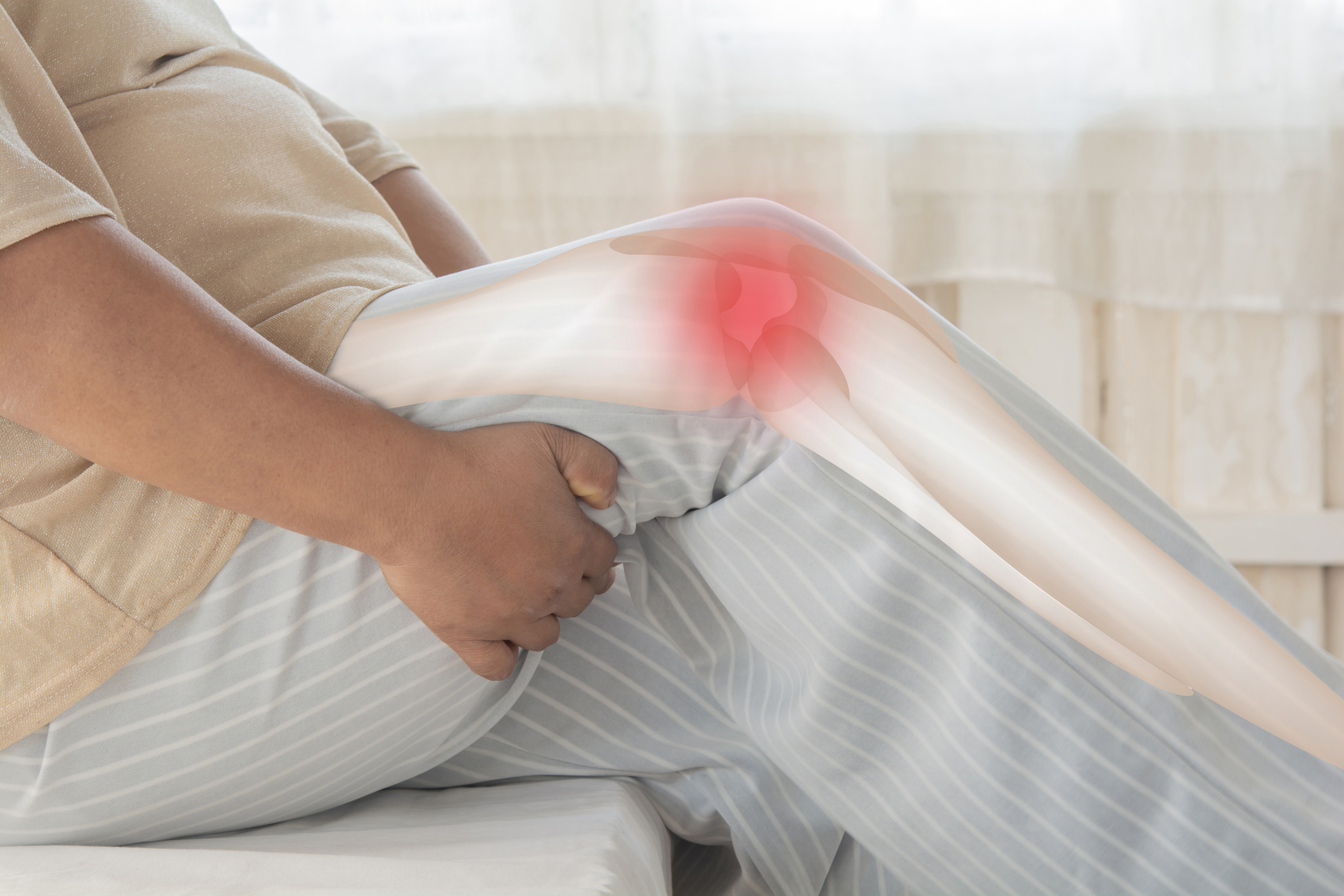

Living with chronic pain can be exhausting, frustrating and at times, overwhelming, especially when rest, medications or traditional treatments haven’t brought relief. Thankfully, modern pain management offers far more than pain pills. Today’s specialists use a wide range of procedures designed to target pain at its source, calm irritated nerves, stabilize a painful spine, and even help your body heal itself.
If you’ve ever wondered what procedures are actually used to treat chronic pain, let’s review some of the most common options available and how they can help you.
Targeted Injections for Precise Pain Relief
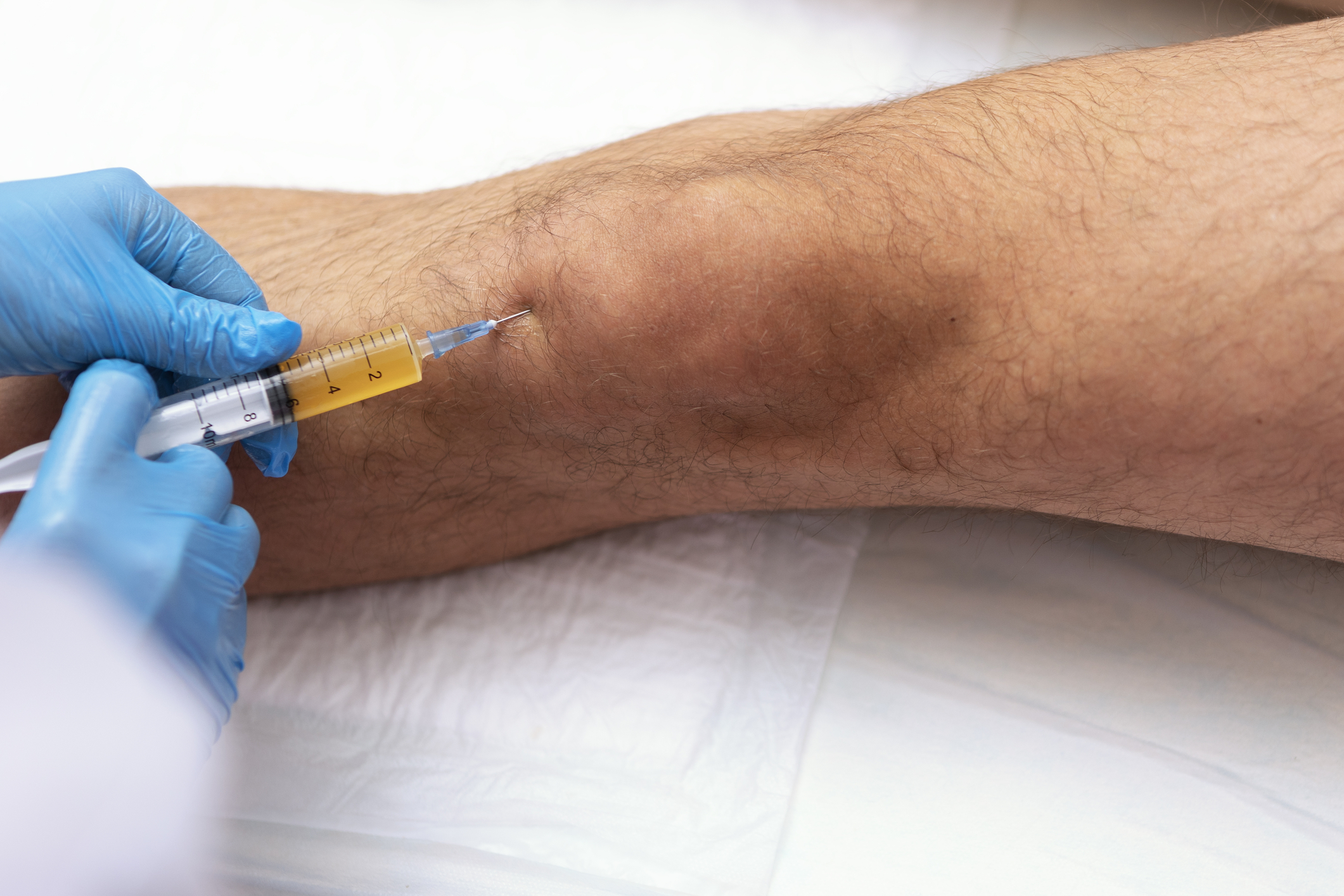
Many chronic pain conditions involve inflammation or irritated nerves. Interventional injections deliver medication directly to the problem area, often providing faster and more effective relief than oral medications, which have more side effects and take longer to work.
Common examples include:
- Epidural steroid injections, which reduce nerve inflammation in the neck or back
- Facet joint and medial branch blocks are used for arthritis-related spine pain
- Nerve blocks, such as occipital, genicular, pudendal, or intercostal nerve blocks, are used to interrupt pain signals
- Joint injections for hip, knee, shoulder, or sacroiliac joint pain
These procedures are widely used in pain medicine and supported by strong clinical evidence for the management of spine and joint-related pain.[1; 2]
Advanced Procedures That Stabilize or Repair the Spine
Sometimes pain isn’t just inflammation, it’s caused by structural damage due to injury, wear and tear or degeneration in the spine. In these cases, minimally invasive procedures may help restore stability, mobility and reduce pain while avoiding major open back surgery.
Examples include:
- Kyphoplasty and vertebroplasty, which stabilize painful vertebral compression fractures, are often related to osteoporosis [3]
- Artificial disc replacement is an option for select patients with severe disc damage who want to preserve spinal motion rather than undergo fusion
- Percutaneous disc decompression (nucleoplasty), which reduces pressure inside damaged discs
Studies show that these procedures can significantly improve pain and function in appropriately selected patients.[4; 5]
Innovative Nerve & Neuromodulation Technologies
When pain becomes chronic, the nervous system itself can become overactive, but technology has a solution. Neuromodulation therapies are sophisticated, implantable devices that use mild electrical impulses to change how pain signals travel to the brain.
These include:
- Spinal cord stimulation (SCS), which uses mild electrical signals to reduce pain perception
- Dorsal root ganglion (DRG) stimulation, offering targeted relief for conditions like complex regional pain syndrome (CRPS)
- Peripheral nerve stimulation (PNS) is used for shoulder, knee, or limb pain
- Scrambler therapy, a non-invasive option that sends “non-pain” signals to retrain the brain’s pain pathways
Neuromodulation has been shown to improve the quality of life and reduce pain in patients with difficult-to-treat chronic pain.[6] This field is constantly evolving as devices become smaller, more powerful, and more integrated into digital systems through smartphone apps.
Regenerative & Healing-Focused Treatments
Another cutting-edge advancement in pain management is harnessing your body’s own healing abilities to restore function, repair damage, or regenerate new cells or tissues. These procedures encourage the body’s natural healing response, rather than simply blocking pain.
Common biologics and biomaterials include:
- Platelet-rich plasma (PRP) therapy, which uses a patient’s own platelets to promote tissue repair
- Stem cell therapy is an emerging option for certain joint and spine conditions
- Prolotherapy, which stimulates healing in weakened ligaments or tendons
While research is ongoing, growing evidence suggests regenerative therapies may reduce pain and improve function in select musculoskeletal conditions.[7; 8]
Additional Options for Complex or Persistent Pain
If you have severe or treatment-resistant pain, you may benefit from combining your pain management procedures with other therapies. Your pain specialist will determine the best course depending on your pain and how you respond to the interventional procedures prescribed.
Additional treatments for your consideration include:
- Intrathecal drug delivery systems (pain pumps)
- Capsaicin patches (QUTENZA®) for nerve pain
- Lidocaine infusion therapy for certain chronic pain syndromes
- Radiofrequency ablation, which uses heat to quiet pain-transmitting nerves
These options are often part of a multidisciplinary approach that uses a personalized, step-by-step pain management plan that includes lifestyle changes, movement therapy, psychological support and complementary therapies.
Finding the Right Pain Management Procedure for You
There’s no single procedure that works for everyone — and that’s okay, because pain management is not a one-size-fits-all approach. Chronic pain is complex, and effective treatment is highly individualized. Your pain specialist understands this and comes prepared with a toolbox full of solutions and procedures designed to help you find relief. How your medical team moves forward depends on your diagnosis, symptoms, medical history, and personal goals.
With today’s wide range of minimally invasive procedures and cutting-edge technology, many people can reduce pain, improve mobility, and reclaim parts of their lives that pain once limited. A pain management specialist can help you better understand your pain and determine which treatment options make the most sense for you.
Disclaimer: This blog is for educational purposes only and should not replace professional medical advice, diagnosis, or treatment. If you experience sudden, severe, or worsening pain — especially if it’s accompanied by symptoms like fever, numbness, weakness, shortness of breath, chest pain, or loss of bladder or bowel control — seek immediate medical care. Don’t wait for your next pain management appointment.
Resources:
- Garfin SR, Yuan HA, Reiley MA. New technologies in spine: kyphoplasty and vertebroplasty for the treatment of painful osteoporotic compression fractures. Spine (Phila, Pa 1976) [Internet]. 2001 Jul 15;26(14):1511-5. Doi: 10.1097/00007632-200107150-00002. PMID: 11462078. Accessed December 15, 2025. Available from: https://pubmed.ncbi.nlm.nih.gov/11462078/
- Boswell MV, Trescot AM, Datta S, et al. Interventional Techniques: Evidence-based Practice Guidelines in the Management of Chronic Spinal Pain. Pain Physician [Internet]. 2007; 10:7-1111. ISSN 1533-3159. Accessed December 15, 2025. Available from: https://www.painphysicianjournal.com/current/pdf?article=Nzcz&journal=31&utm
- Gutierrez-Gonzalez R, Royuela A, Zamarron A. Vertebral compression fractures: pain relief, progression and new fracture rate comparing vertebral augmentation with brace. BMC Musculoskelet Disord [Internet]. 24, 898 (2023). Accessed December 15, 2025. Available from: https://link.springer.com/article/10.1186/s12891-023-07041-1
- Jacobs WC, van der Gaag NA, Kruyt MC, Tuschel A, de Kleuver M, Peul WC, Verbout AJ, Oner FC. Total disc replacement for chronic discogenic low back pain: a Cochrane review. Spine (Phila, Pa 1976). 2013 Jan 1;38(1):24-36. doi: 10.1097/BRS.0b013e3182741b21. PMID: 22996268. Accessed December 15, 2025. Available from: https://pubmed.ncbi.nlm.nih.gov/22996268/
- Total disc replacement for chronic low-back pain | Cochrane. Cochrane.org. Published September 12, 2012. Accessed December 15, 2025. Available from: https://www.cochrane.org/evidence/CD008326_total-disc-replacement-chronic-low-back-pain
- Caylor J, Reddy R, Yin S, et al. Spinal cord stimulation in chronic pain: evidence and theory for mechanisms of action. Bioelectron Med [Internet]. 2019;5:12. doi:10.1186/s42234-019-0023-1. Accessed December 15, 2025. Available from: https://pmc.ncbi.nlm.nih.gov/articles/PMC6703564/
- Wang F, Meng F, Chan TCW, Wong SSC. Platelet-Rich Plasma for Treating Chronic Noncancer Pain: A Systematic Review and Meta-analysis of Randomized Controlled Trials. Pain Ther [Internet]. 2025;14(4):1169-1188. doi:10.1007/s40122-025-00751-5 Accessed December 15, 2025. Available from: https://pmc.ncbi.nlm.nih.gov/articles/PMC12279671/
- Wang L, Jiang J, Lin H, et al. Advances in Regenerative Sports Medicine Research. Front. Bioeng. Biotechnol [Internet]., 12 May 2022. Sec. Biomaterials Volume 10 – 2022. https://doi.org/10.3389/fbioe.2022.908751 Accessed December 15, 2025. Available from: https://www.frontiersin.org/journals/bioengineering-and-biotechnology/articles/10.3389/fbioe.2022.908751/full