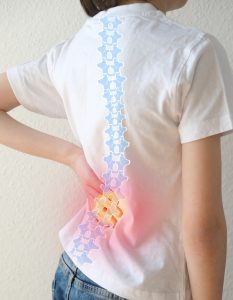
Pain during surgery is controlled with anesthesia, but what about the pain in the hours, days and weeks following a major surgery? Postoperative pain is the pain associated with a recent surgery.[1] It’s common for patients to experience moderate to severe pain following an operation.[2] Pain can vary in intensity and duration depending on the type of procedure, the individual’s pain tolerance and the effectiveness of pain management.[3]
Understanding and managing pain after surgery is crucial for patient comfort and promoting healing and preventing complications.[4]
About Post-Op Pain
Postoperative pain refers to the discomfort or soreness experienced by patients after undergoing surgery. Controlling pain speeds the recovery process, prevents complications, and helps you get mobile and back to normal activities sooner.[4]
Postoperative pain can manifest in various forms, such as throbbing, aching, stabbing, or burning sensations, and may be localized to the surgical site or radiate to surrounding areas.[5] The severity of postoperative pain can range from mild discomfort to intense agony[1], impacting a patient’s ability to perform daily activities and negatively affecting their quality of life.[6]
Postoperative pain is split into two categories: Acute and chronic.[3] Acute pain affects the surgical patient within the first hours and days, while chronic refers to pain that persists longer than three months.[3]
Postoperative Pain Symptoms
Several types of pain are associated with post-surgical experiences: nociceptive (somatic and visceral), neuropathic, referred, phantom[5], chronic and acute [3]. Here, we’ll discuss what patients are likely to feel following surgery.
According to VeryWell Health, these are common signs and symptoms associated with postoperative pain:
Burning
A pricking sensation
Throbbing
Tenderness (swelling, bruising or inflammation)
Pain at or around the incision
Dull or achy, often deep within muscles, organs or bones
Uncomfortable pressure
Squeezing
Cramping
Swelling and redness
Tingling or numbness
Stabbing
Shooting
Sharp
Pain or numbness in a missing limb or body part
Feeling missing limb moving or shortening
Post-Op Pain Causes
Common causes of pain following a surgical procedure may include:
Deep incisions through muscle and tissue layers[5]
Broken bones[5]
Organ removal or repair[5]
Pain from lying on the operating table[4]
Breathing tube (throat pain)[4]
Movement (walking, sitting, coughing, etc.)[4]
Blood clots (deep vein thrombosis – DVT)[5]
Cancer-related surgeries and procedures[7]
Inflammation and swelling[3]
Nerve irritation[3]
Tissue trauma[3]
Psychological factors[3]
After Surgery Pain Management Treatments
Effective postoperative pain management is essential for patient comfort and facilitating recovery. Post-op pain can be addressed with pharmacological and non-pharmacological interventions. Treatment may include IV or oral pain relief medications and epidural or nerve blocks.[8] Complementary treatment may include physical therapy and relaxation techniques like meditation and deep breathing. A multimodal approach allows the medical team to create a personalized pain control strategy. Patients are advised to discuss pain management before surgery.[9]
When to Consult a Post Operation Pain Care Specialist
Ensuring your pain is properly controlled is crucial to your recovery and overall well-being. You should consult with a pain management specialist if your pain isn’t controlled with the medications prescribed or if the pain is significantly affecting your daily activities or quality of life. A pain specialist may also assist you following surgery if you have concerns regarding medication side effects or dependency. Pain management specialists offer joint injections, femoral or peripheral nerve blocks and spinal cord stimulators.
Seek immediate medical attention if you suspect you have an infection and have symptoms such as increased redness, swelling, warmth or drainage at the surgical site or experience fever, chills or unexplained weight loss.
Surgery: Learn More – Pain after surgery. Cologne, Germany: Institute for Quality and Efficiency in Health Care (IQWiG); 2006. Informed Health [Internet] 2018. Updated April 19, 2022. Accessed April 30, 2024. Available from: https://www.ncbi.nlm.nih.gov/books/NBK279553/
Chou R, Gordon DB, de Leon-Casasola OA, et al. Management of Postoperative Pain: A Clinical Practice Guideline From the American Pain Society, the American Society of Regional Anesthesia and Pain Medicine, and the American Society of Anesthesiologists’ Committee on Regional Anesthesia, Executive Committee, and Administrative Council. The Journal of Pain [Internet]. 2016;17(2):131-157. Accessed April 30, 2024. doi:https://doi.org/10.1016/j.jpain.2015.12.008 Available from: https://www.jpain.org/article/S1526-5900(15)00995-5/fulltext