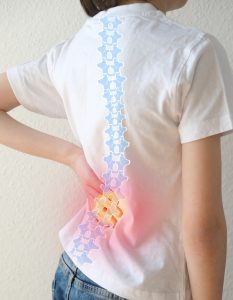
Everyone experiences sore muscles occasionally. Approximately 11%-24% of the global population experience muscle pain at some point.[1] Tension, stress, overuse and injury can cause temporary muscular aches and pains. Short-term muscle pain can usually be resolved within a few days using over-the-counter (OTC) medications and home remedies. What can you do if that pain is persistent, affects your daily activities and is not relieved by conventional therapies?
Understanding the causes, symptoms, and treatments for ongoing muscle pain is crucial for effective pain management and improving your quality of life.
About Muscle Pain
Myalgia, or muscle pain, is a common condition that affects people of all ages for various reasons.[2] Pain can range from mild discomfort to severe pain, limit movement, and be localized to a small area or affect the entire body.[3] Muscle pain can be short-term or chronic.[2] The pain may occur in any muscle group, making daily activities challenging. Proper diagnosis and treatment are essential to address the underlying cause and alleviate discomfort.
Muscle Pain Symptoms
Symptoms of muscle pain vary depending on the type and severity of injury or illness.
Common symptoms include:
Aching or soreness [4]
Stiffness [4]
Tenderness [1]
Burning sensation [4]
Swelling [5]
Muscle weakness [6]
Limited range of motion [6]
Bruising or redness [6]
Worsening pain when moving [4]
Sharp or shooting pain [2]
Fatigue [4]
Difficulty sleeping [7]
Muscle knots [7]
Joint pain [2]
Muscle cramps or spasms [2]
Muscle Pain Causes
There are many causes of myalgia, from illness and injury to autoimmune diseases and neuromuscular disorders.
Common causes of muscle pain include:
Overuse or repetitive strain [2]
Muscle tension or stress [2]
Injuries, such as strains or sprains [2]
Compartment syndrome [2]
Hypothyroidism (underactive thyroid)[2]
Infections, such as the flu or bacterial infection [5]
Autoimmune disorders, like lupus or polymyositis [5]
Fibromyalgia [5]
Myofascial pain syndrome [7]
Electrolyte imbalances [2]
Rheumatoid arthritis [3]
Chronic fatigue syndrome [5]
Drugs and medications (chemotherapy, blood pressure meds and statins)[2]
Amyotrophic lateral sclerosis (ALS or Lou Gehrig’s disease) [2
Muscular dystrophy [2]
Myasthenia gravis [2]
Spinal muscular atrophy (SMA) [2]
Muscle Pain Management Treatments
When traditional practices fail to provide pain relief, pain management may offer relief from chronic or acute muscle pain. Pain doctors offer a multifaceted approach combining physical therapy and drug therapy with non- and minimally invasive therapies such as trigger point injections, pain pumps, electrical nerve stimulation therapy and nerve blocks. Along with these pain management techniques, your doctor may recommend adding alternative therapies like acupuncture, mind-body therapies and massage.
When to Consult a Muscle Pain Care Specialist
If you’ve been unable to control your pain level with self-care and OTC treatments, you should consider speaking to your doctor about pain management. Effective management of chronic muscle pain requires your PCP (primary care physician) to work collaboratively with your specialists and pain management doctors. A pain care specialist can help if you are experiencing severe, persistent pain that doesn’t improve with rest and traditional treatment. Experienced pain doctors can improve your pain and quality of life with trigger point injections, nerve blocks, spinal cord stimulators and transcutaneous electrical nerve stimulation (TENS). Your healthcare team will choose the right approach for your pain level and condition.
Consult your physician if your muscle pain is accompanied by swelling, redness, warmth, sudden, unexplained pain, muscle weakness or loss of function. Seek immediate medical help if you experience pain following an injury or accident or signs of infection such as fever, chills, breathing difficulty, or chest pain.