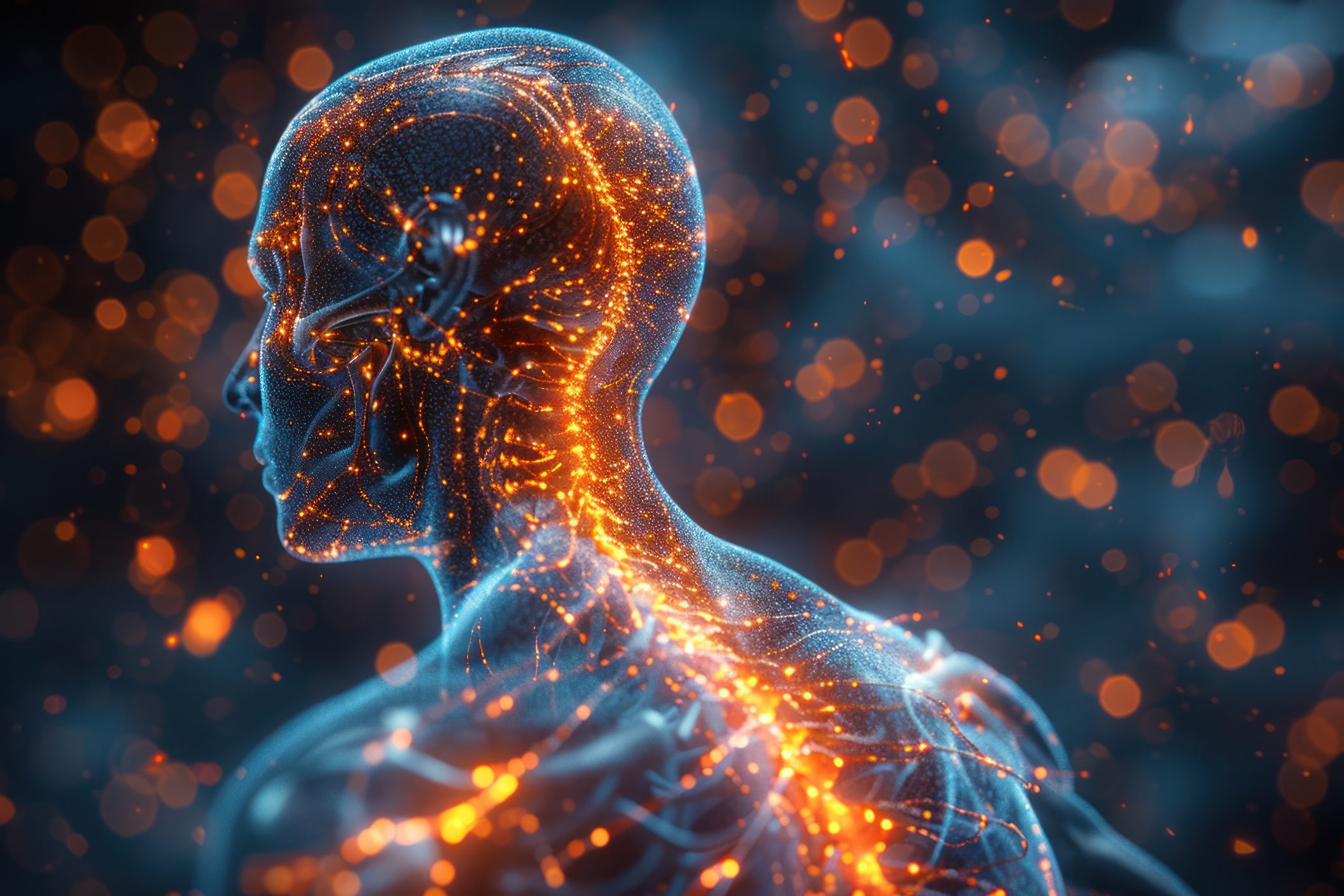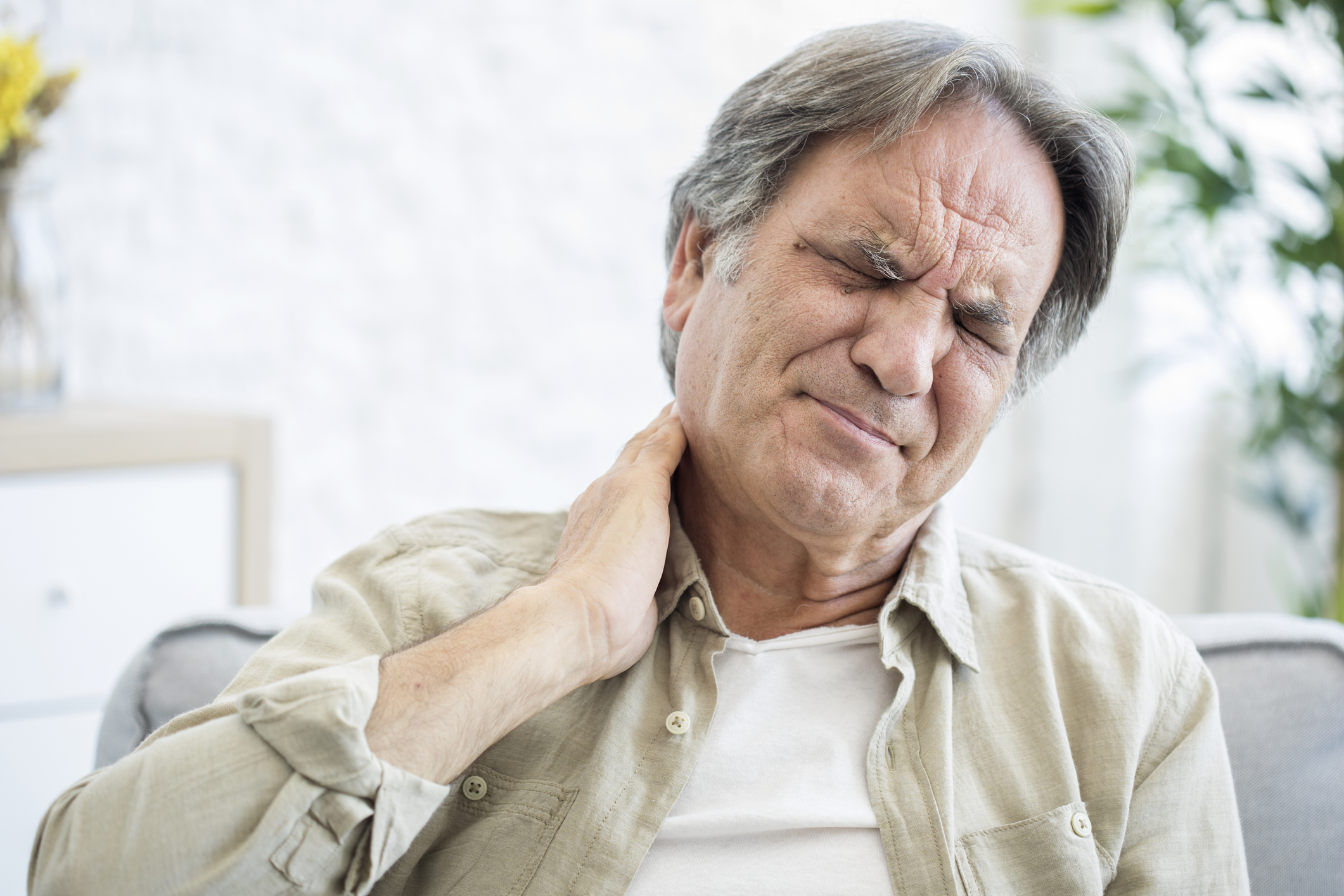

Everyone experiences pain at some point in life. Pain acts as a warning signal whether it’s a stubbed toe (ouch!), a headache or sore muscles. It alerts you when something in your body needs attention and usually subsides as the cause resolves. But not all pain is temporary.
If your pain has become a persistent, unwelcome visitor interrupting your daily life, you have chronic pain. Pain is considered chronic once it continues past recovery or lasts 3 months or more.[1] It can last for months or even years, may be constant or intermittent, and can affect any part of your body with a wide range of potential causes.[2]
It is understandable to avoid treatment for chronic pain—maybe you hoped it would go away, worried about medical costs, or felt unsure where to turn. Delaying care can have serious consequences. Let’s explore the risks of ignoring chronic pain, its common causes, and why seeking help is essential for your overall well-being.
Consequences of Untreated Pain
When chronic pain is left untreated, it can lead to more than just physical discomfort. You may increase the possibility of becoming disabled. Chronic pain also makes performing even simple tasks challenging and can affect your ability to work, care for yourself or enjoy your life to its fullest.
Here are some potential complications of ignoring your pain:
Deconditioning Syndrome
Deconditioning is a symptom of untreated chronic pain. Long-term inactivity can significantly reduce muscle strength, stamina and coordination.[3] This whole-body condition can also impact physical and mental health, affecting the cardiovascular, respiratory, nervous, and musculoskeletal systems.[3] Deconditioning happens fast; without intervention, it will worsen, making it challenging to reverse.
Increased Physical Health Problems
Untreated chronic pain can negatively impact because it is in a constant state of stress. Elevated stress levels can lead to high blood pressure, weakened immune function, and an increased risk of heart disease.[4] Over time, untreated pain can also cause damage to muscles, joints, and nerves.[4]
Overuse injuries can happen when you compensate for a weak or painful limb, such as chronic pain in your left knee, by relying more heavily on your right leg to ease discomfort while walking.[4]
Reduced Mobility and Function
Persistent pain can limit your ability to move freely, making exercise and daily activities difficult.[5] Over time, this reduced mobility can lead to muscle weakness, weight gain, and decreased overall health.[4]
Sleep Disturbances
Chronic pain often makes it hard to get a good night’s sleep.[6] Sleep deprivation can worsen pain sensitivity and increase stress, creating a vicious cycle that further affects your quality of life.[7]
Mental Health Issues
Ignoring chronic pain can take a toll on your mental health, causing a decline in your well-being. Pain has an emotional component and, without relief, can lead to feelings of depression, hopelessness, anxiety and stress.[8] Pain can impact your ability to socialize, work, perform simple tasks and engage in activities, significantly impacting your mental health.[7] Mood swings and negative emotions can directly affect your relationships, especially at home.[7]
Hormonal Imbalances
Uncontrolled pain can affect your endocrine system, which is responsible for your metabolic activities.[4] It can impact your blood pressure, heart function, blood sugar or lipids levels.[4]
Common Chronic Pain Causes
Chronic pain can have many different causes, often unique to each person. Here are some of the most common ones:
- Arthritis
- Back Pain
- Causalgia
- Cancer Pain
- Central Pain Syndromes
- Cholecystitis
- Diabetic Pain
- Facial Pain
- Fibromyalgia
- Headaches/Migraine
- Hip Pain
- HIV/AIDS Pain
- Ischemic
- Keloid
- Knee Pain
- Muscle Pain
- Myofascial Pain Syndrome
- Neck Pain
- Neuralgia
- Neuropathy
- Nerve Injury Pain
- Orchialgia
- Osteoarthritis
- Pancreatitis
- Pelvic, Rectal or Vaginal Pain
- Piriformis Syndrome
- Post Surgery Pain
- Scar Tissue Pain
- Spinal Disc Disease
- Trigeminal Neuralgia
- Reflex Sympathetic Dystrophy (RSD)
- Temporomandibular Joint Disorder (TMJ)
- Testicular Pain
- Vascular Pain
Don’t Ignore Chronic Pain: Treatment is Available
Ignoring chronic pain won’t make it disappear—in fact, it may worsen over time and impact other areas of your life and health. The good news? You don’t have to keep suffering or sacrificing your quality of life. Pain management offers a variety of effective treatments, including interventional procedures like nerve blocks, injections, and spinal stimulators. Consulting a pain management specialist can make a big difference in improving both your physical and mental well-being.
If you’ve been living with chronic pain and are ready to take the first step toward relief, don’t wait! Early intervention can improve your quality of life, reduce the risk of complications, and help you regain control. Reach out to a reputable pain clinic for a consultation and a personalized treatment plan tailored to address the root cause of your pain while providing effective relief.
Resources:
- Dydyk AM, Conermann T. Chronic pain. PubMed [Internet]. Published 2024. Accessed January 15, 2025. Available from: https://www.ncbi.nlm.nih.gov/books/NBK553030/
- Chronic Pain. Cleveland Clinic [Internet]. Accessed January 15, 2025. Available from: https://my.clevelandclinic.org/health/diseases/4798-chronic-pain
- Murnan A. Deconditioning Syndrome: Symptoms and Recovery. Medical News Today [Internet]. Published December 03, 2024. Accessed January 15, 2025. Available from: https://www.medicalnewstoday.com/articles/deconditioning-syndrome
- Tennant F. Complications of Uncontrolled, Persistent Pain. Practical Pain Management [Internet] 2004:4(1). Updated January 28, 2012. Accessed January 15, 2025. Available from: https://www.medcentral.com/pain/chronic/complications-uncontrolled-persistent-pain
- King NB, Fraser V. Untreated pain, narcotics regulation, and global health ideologies. PLoS Med [Internet]. 2013;10(4):e1001411. doi:10.1371/journal.pmed.1001411. Accessed January 15, 2025. Available from: https://pmc.ncbi.nlm.nih.gov/articles/PMC3614505
- Lohman D, Schleifer R, Amon JJ. Access to pain treatment as a human right. BMC Med [Internet]. 2010;8:8. Published 2010 Jan 20. doi:10.1186/1741-7015-8-8. Accessed January 15, 2025. Available from: https://pmc.ncbi.nlm.nih.gov/articles/PMC2823656/
- Dueñas M, Ojeda B, Salazar A, Mico JA, Failde I. A review of chronic pain impact on patients, their social environment and the health care system. J Pain Res [Internet]. 2016;9:457-467. Published 2016 Jun 28. doi:10.2147/JPR.S105892. Accessed January 15, 2025. Available from: https://pmc.ncbi.nlm.nih.gov/articles/PMC4935027/
- Reid S. Chronic Pain and Mental Health. Help Guide [Internet]. Updated November 13, 2024. Accessed January 15, 2025. Available from: https://www.helpguide.org/wellness/health-conditions/chronic-pain-and-mental-health