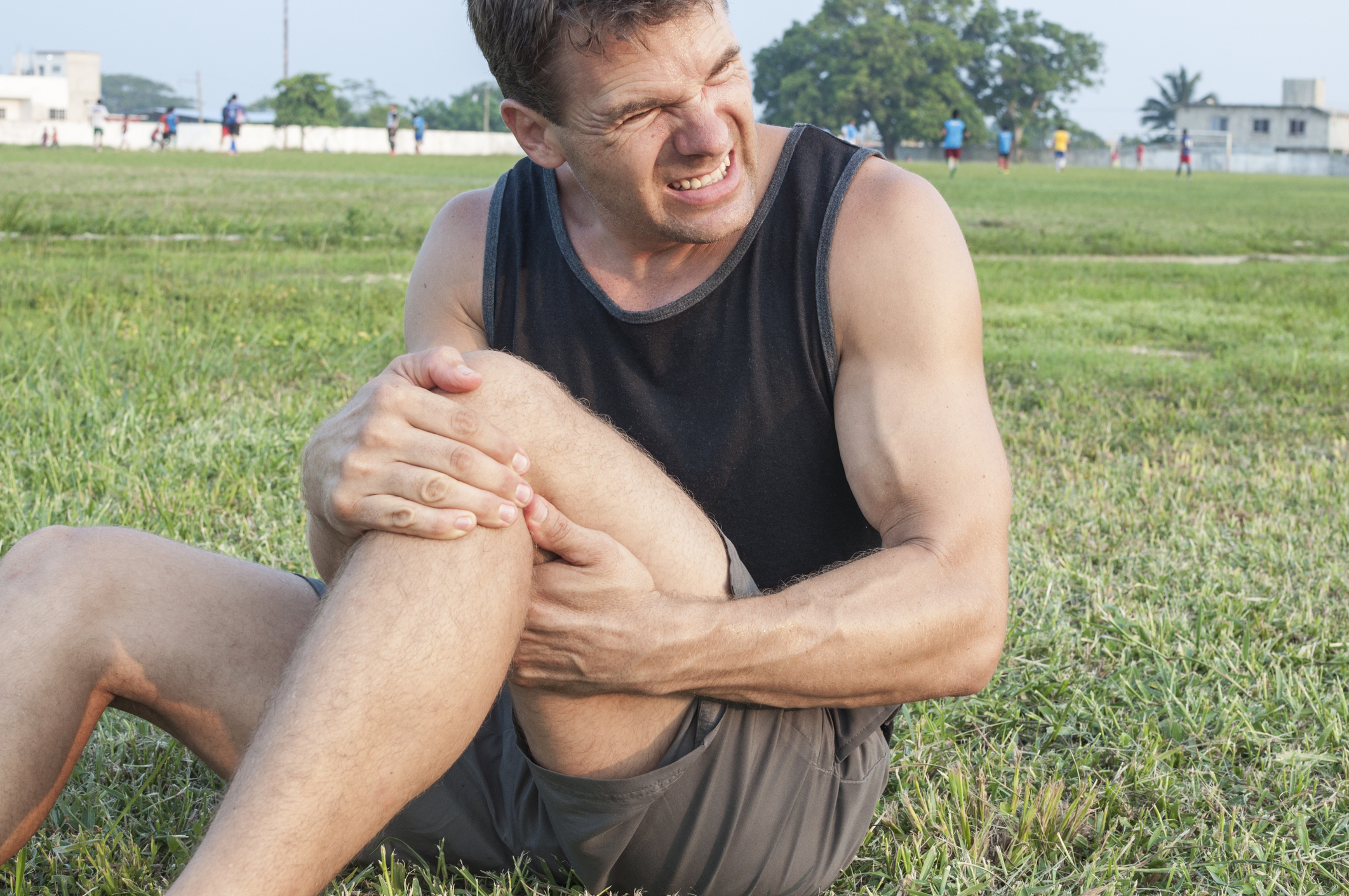
Living with ongoing pain can be tough, but when that pain feels out of proportion to an injury or seems to take on a life of its own, it may be something more than “just healing.” Complex regional pain syndrome (CRPS) is a broad term that describes chronic nerve pain that is an overreaction to an injury, surgery or sudden conditions like stroke or heart attack.[1]
CRPS, once known as reflex sympathetic dystrophy (RSD) or causalgia, is a rare but challenging condition that causes intense, long-lasting pain, often in an arm or leg, and it can profoundly affect daily life.[2;3] While it can sound overwhelming at first, understanding CRPS is the first step toward managing it and feeling more in control.
A Closer Look at CRPS or RSD
Complex regional pain syndrome is a chronic pain condition that usually develops after an injury, surgery, stroke, or even something as minor as a sprain.[4] Unlike typical pain that eases as the body heals, CRPS pain often lingers or worsens long after recovery.
CRPS pain is described as burning, stabbing, or throbbing, and it can be far more severe than expected for the type of injury that started it.[1] CRPS most often affects the arms, legs, hands, or feet, but it doesn’t always remain confined to these areas. In some cases, symptoms can spread to other parts of the body.[5]
According to the American Family Physician, CRPS is divided into two types:
- CRPS-I (formerly known as reflex sympathetic dystrophy) occurs without confirmed nerve damage.
- CRPS-II (previously called Causalgia) is linked to a known nerve injury.
CRPS Signs and Symptoms to Watch For
CRPS can manifest in various ways, which is part of what makes it challenging to diagnose.
Common symptoms of complex regional pain syndrome include:
- Persistent, severe pain that feels stronger than what’s typical after an injury (hyperaglesia) [6]
- Changes in skin color or temperature, such as redness, blotchiness, or skin that feels warmer or cooler compared to the opposite limb [4]
- Swelling and stiffness in the affected area [3]
- Sensitivity to touch, where even light contact like clothing or a breeze can cause pain (allodynia) [1]
- Hair and nail growth changes, or skin that appears thin and shiny [6]
- Muscle weakness or reduced range of motion, making it harder to use the affected limb [5]
Not every person with CRPS experiences all of these symptoms, and they can change over time. For some, the symptoms improve with early treatment; for others, they may last for months or years.
What Can Cause or Trigger CRPS?
The exact cause of CRPS isn’t fully understood, but it seems to involve abnormal responses in the nervous system. After an injury, the brain and spinal cord may send exaggerated pain signals to the body, keeping pain “switched on” even after tissues have healed.[7]
In some cases, CRPS appears after something small, like a sprain or minor fracture, while in others it follows more significant trauma such as surgery or a serious injury.[4] Inflammation, changes in circulation, and overactive immune responses may also contribute to the severe and prolonged nature of the pain.[2]
Am I at Risk for Developing Complex Regional Pain Syndrome?
While CRPS can affect almost anyone, certain factors may increase the chances of developing it:
- Injury or surgery [8]
- Prolonged immobilization [1]
- Existing health conditions like inflammatory or autoimmune disorders [5]
- Gender and age: Women between 40 and 60 [4]
How CRPS Is Diagnosed and Treated
There’s no single test for CRPS. Doctors typically diagnose it based on your symptoms, medical history, and physical exam.[9] Sometimes imaging tests or bone scans are used to rule out other conditions.
Treatment usually works best when started early. Options may include:
- Pain relievers, nerve pain medications, or corticosteroids [1]
- Physical and occupational therapy [8]
- Nerve blocks, spinal cord stimulation, or other interventional treatments [9]
- Counseling and mental health support [10]
No two people respond to CRPS treatment in the same way, but a team approach that addresses both body and mind tends to work best.
Living Well With Complex Regional Pain Syndrome
Living with CRPS is challenging, but treatment doesn’t end with medication. A whole-body approach that blends medical care, self-care, and lifestyle strategies offers the best chance of improving quality of life. Pain management specialists often use a multidisciplinary plan with physical therapy, counseling, interventional treatments, and mind-body techniques to address both physical and emotional aspects of pain.[9]
Patients can also take an active role by pacing their activities, practicing relaxation techniques, and using warm or cool compresses.[11] Support groups offer connection and encouragement from individuals who genuinely understand the daily challenges.
Though CRPS is rare, its impact can be overwhelming. Early recognition, a team-based approach, and combining treatment with self-care can make life more manageable. If you or a loved one has lasting pain after an injury or surgery, talking with a pain specialist is the first step toward regaining control and building a care plan that supports both body and mind.
Resources:
- Complex Regional Pain Syndrome (CRPS). Cleveland Clinic [Internet]. Accessed September 18, 2025. Available from: https://my.clevelandclinic.org/health/diseases/12085-complex-regional-pain-syndrome-crps
- Taylor SS, Noor N, Urits I, et al. Complex Regional Pain Syndrome: A Comprehensive Review. Pain Ther [Internet]. 2021;10(2):875-892. doi:10.1007/s40122-021-00279-4 Accessed September 18, 2025. Available from: https://pmc.ncbi.nlm.nih.gov/articles/PMC8586273/
- Complex Regional Pain Syndrome. National Institute of Neurological Disorders and Stroke (NINDS) [Internet]. Accessed September 18, 2025. Available from: https://www.ninds.nih.gov/health-information/disorders/complex-regional-pain-syndrome
- Mayo Clinic Editorial Staff. Complex Regional Pain Disorder (CRPS) – Symptoms and Causes. Accessed September 18, 2025. Available from: https://www.mayoclinic.org/diseases-conditions/crps-complex-regional-pain-syndrome/symptoms-causes/syc-20371151
- Complex regional pain syndrome (CRPS). Better Health Channel – Victoria State Government Department of Health [Internet]. Published 2012. Accessed September 18, 2025. Available from: https://www.betterhealth.vic.gov.au/health/conditionsandtreatments/complex-regional-pain-syndrome-crps
- Complex regional pain syndrome – Symptoms. NHS [Internet]. Published October 19, 2017. Accessed September 18, 2025. Available from: https://www.nhs.uk/conditions/complex-regional-pain-syndrome/symptoms/
- Understanding Complex Regional Pain Syndrome (CRPS). Keck School of Medicine Media Relations [Internet]. Published April 16, 2020. Accessed September 18, 2025. Available from: https://keck.usc.edu/news/understanding-complex-regional-pain-syndrome-crps/
- Causes: Complex regional pain syndrome. NHS [Internet]. Accessed September 18, 2025. Available from: https://www.nhs.uk/conditions/complex-regional-pain-syndrome/causes/
- Mayo Clinic Editorial Staff. Complex Regional Pain Disorder (CRPS) – Diagnosis and Treatment. Mayo Clinic [Internet]. Accessed September 18, 2025. Available from: https://www.mayoclinic.org/diseases-conditions/crps-complex-regional-pain-syndrome/diagnosis-treatment/drc-20371156
- Living With CRPS. Reflex Sympathetic Dystrophy Syndrome Association (RSDSA) [Internet]. Accessed September 18, 2025. Available from: https://rsds.org/living-with-crps/
- 10 Tips on Living with CRPS. Burning Nights [Internet]. Published 2015. Accessed September 18, 2025. Available from: https://www.burningnightscrps.org/crps/living-with-crps/10-tips-on-living-with-crps/