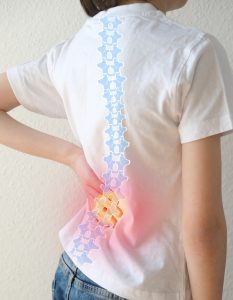
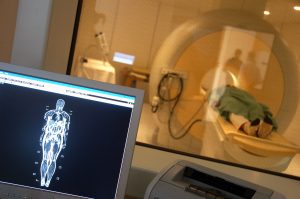
Ischemic pain, often called vascular pain, occurs when blood flow to a specific area of the body is restricted.[1] When an organ, your brain or an extremity isn’t getting enough blood, the condition is called ischemia.[2] The lack of blood flow deprives tissues of essential oxygen and nutrients, leading to discomfort ranging from dull aches to severe pain.
About Ischemia
Ischemic pain stems from ischemia, a condition in which blood vessels are restricted, and blood flow is partially or fully blocked.[3] When blood vessels cannot deliver oxygen and nutrient-rich blood to your tissues, it can cause muscle cramps, aches, discomfort and burning sensations.[4]
According to the Cleveland Clinic, the main types of ischemia are:
Peripheral or limb ischemia (arms or legs)
Myocardial ischemia (heart)
Ischemic stroke (brain) and
Mesenteric ischemia (digestive system)
Ischemic Pain Symptoms
Ischemic symptoms can vary depending on which area of your body is affected and the severity of your condition. Symptoms and signs of ischemia and related pain include:
Limbs:
Tingling or numbness in your leg or arm [1]
Leg or arm pain [1]
Pale or cold hands, feet or legs [1]
Foot pain [2]
Severe leg pain, even at rest [2]
Smooth, shiny, hairless skin on legs and feet [2]
Sores that won’t heal on legs or feet [2]
Heart:
Chest pain [1]
Shortness of breath [1]
Pain in your neck, jaw, shoulder or arm [2]
Lightheadedness or dizziness [1]
Brain:
Loss of coordination [1]
Headache or dizziness [2]
Fainting [2]
Slurred speech, difficulty speaking or comprehending conversations [2]
Gastrointestinal:
Severe belly pain [2]
Bloating [2]
Diarrhea [2]
Upset stomach or vomiting [2]
Ischemic Pain Causes
The primary cause of ischemia is atherosclerosis, a condition where hard, sticky plaque builds up in your arteries and slowly hardens and narrows them, restricting critical blood flow to your heart, brain or limbs.[2]
Disclaimer: Ischemia can be caused by a blood clot or blockage and can cause severe, life-threatening conditions like heart attack or stroke.[2]
Other conditions that cause ischemia include:
Peripheral Artery Disease (PAD) [1]
Low blood pressure [3]
Heart defects [h3]
Sickle cell anemia [3]
Blood clots [3]
Compression of a blood vessel [3]
Anemia [3]
Strangulated abdominal hernia [1]
Vasculitis (blood vessel inflammation) [5]
Ischemia Risk Factors
Some cases of ischemic pain are caused by conditions that may have been preventable with healthy lifestyle choices.
According to the Cleveland Clinic, the risk factors for ischemia include:
Having ischemia in another part of your body
High or low blood pressure
High cholesterol
Diabetes
Lack of physical activity
Obesity
Chronic kidney disease
Use of tobacco products
History of a heart attack
History of a stroke
Sleep apnea
Blood clotting disorders
Certain medicines, like birth control pills
Pain Management Treatments
Ischemic pain requires a multi-faceted approach and a supportive medical team that includes a vascular specialist and a pain physician. Treatment often utilizes medication, lifestyle changes and pain management techniques.
Medicine management for ischemia may include blood thinners, anti-inflammatory drugs, or vasodilators to improve blood flow. Procedures to improve your blood flow, such as angioplasty or artery bypass surgery, may be utilized as part of your treatment plan.[1]
Lifestyle changes are essential to a comprehensive approach to treating ischemia and poor circulation. Your daily habits should include exercise or physical activity, maintaining a healthy weight and eating a well-balanced diet. Avoiding tobacco products is also highly recommended.
Along with lifestyle changes, interventional pain management can address dull aches and severe pain associated with ischemic pain caused by blood-deprived tissues. A pain specialist can address specific types of ischemic pain, such as those related to chronic vascular conditions, diabetic peripheral artery disease, or post-surgical complications.
Ischemic pain can be managed effectively with minimally invasive methods. Pain management clinics offer interventional options that provide long-term pain relief, such as:
If you experience ongoing pain that interferes with daily life or notice signs like discolored skin or slow-healing wounds, you may have ischemia. Early diagnosis and treatment are essential to prevent serious complications or irreversible damage to tissue, organs or limbs.
A comprehensive pain management plan can be highly effective for addressing chronic ischemic pain, particularly in cases of limb or mesenteric ischemia. Treatment focuses on restoring blood flow, reducing nerve-related discomfort, and managing inflammation to help patients regain function and improve their quality of life.
Combining pain therapy with lifestyle adjustments helps treat ischemic pain by addressing both the symptoms and underlying causes, such as poor circulation or inflammation. Consulting a pain specialist ensures an integrated approach that enhances overall health and supports better long-term outcomes.
Disclaimer: This web page is for informational purposes only and is not a substitute for professional medical advice, diagnosis, or treatment. Always seek the guidance of a qualified healthcare provider with any questions about your condition. If you suspect that you or someone else is experiencing a heart attack or stroke, call 911 or your local emergency services immediately.
Barhum L. What are the symptoms of poor circulation? Medical News Today [Internet]. Published February 7, 2024. Accessed December 18, 2024. Available from: https://www.medicalnewstoday.com/articles/322371