
HIV/AIDS Pain
PAIN CONDITION
HIV or AIDS Pain: Causes, Treatment & Pain Relief
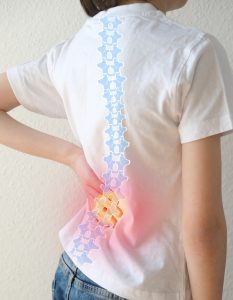
Living with HIV or AIDS presents many challenges, including pain that can impact everyday life. It can make things like sleeping, working, and even eating difficult due to pain and discomfort.[1] Pain can occur in any stage of the illness and affects many parts of the body. Physical pain is common in HIV patients, but it often goes unreported and undertreated.[2]
About Human Immunodeficiency Virus Related Pain
HIV (human immunodeficiency virus) is a viral infection that attacks the immune system and weakens the body’s ability to fight illness.[3] There is no cure, but HIV medicine (antiretroviral therapy or ART) is used to reduce the amount of virus in the blood (viral suppression).[3] While medications like ART lengthen the life of the person with HIV, they are still susceptible to chronic pain.
Pain may stem directly from the HIV or AIDs virus, treatment or from other infections and conditions.[4] The virus’s early (acute) stages can cause flu-like symptoms, including joint and muscle pain.[5] The intensity and location of HIV-related pain can vary significantly from person to person, especially during the chronic HIV stage.[5]
Left untreated, HIV can become late-stage AIDS (acquired immunodeficiency syndrome) and can cause peripheral neuropathy (nerve damage), leading to weakness and painful sensations in the extremities.[6] Factors such as depression and anxiety, insomnia, substance abuse and poor social support can all increase the risk of pain in people with HIV or AIDS.[7]
Causes of HIV Pain
People living with HIV can experience pain for several reasons:
- Direct effects of HIV: In treated and untreated patients, the virus can cause pain due to inflammation and nerve damage. [6]
- Opportunistic infections: As HIV weakens the immune system, it increases susceptibility to painful conditions like pneumonia, hepatitis, herpes, thrush, and shingles.[4]
- Other conditions: HIV-positive individuals may experience diabetes, arthritis, fibromyalgia, cancer and gastrointestinal problems.[4]
- Inflammation: HIV can cause ongoing inflammation in the body, which may lead to joint pain, muscle aches, and chronic discomfort.[4]
- HIV drug side effects: Antiretroviral medications help keep HIV viral counts low, but they can still cause pain from sores, rashes, inflammation, muscle and joint issues, liver damage, pancreatitis, and stomachaches.[8]
- Cancer: Some cancers are more common in HIV patients, such as Kaposi’s sarcoma, which can cause pain depending on its location.[9]
- Mental and emotional factors: Chronic illness can cause stress and anxiety, which can intensify pain and physical tension.[10]
- Being biologically female: Women with HIV often experience pain more frequently and intensely than men and may also suffer from gynecologic pain syndromes.[9]
Common Types of HIV & AIDS-Related Pain
HIV and AIDS patients may experience different types of pain, each requiring unique management approaches.
Here are the most common types of pain associated with AIDS and HIV infections, according to The Well Project:
- Neuropathic pain: Peripheral neuropathy or nerve pain is common in HIV patients and may feel like burning, tingling, or electric-like shocks, typically in the hands or feet.
- Muscle pain (myalgia): Muscle aches and pains are common in HIV+ people and can be caused by the virus itself or as a medication side effect.
- Joint pain: Inflammation or infections can cause joint pain in HIV patients, affecting mobility and quality of life.
- Herpes pain: HIV patients may experience painful sores, blisters and rashes from herpes simplex virus 1 and 2, chickenpox (varicella zoster herpes) and shingles.
- Abdominal pain: Many individuals with HIV experience abdominal discomfort due to infections, liver issues, pancreatitis, digestive tract complications, gynecological conditions and HIV drug side effects.
- Headaches and migraines: Mild to severe headaches caused by inflammation, flu-like symptoms, treatment side effects or secondary infections.
- Bone pain: Reduced bone density and osteoporosis are more common in HIV-positive individuals, leading to bone pain or an increased risk of fractures.
- Skin pain: HIV and AIDS medication side effects, shingles, or herpes can cause unpleasant rashes, sores, blisters or lesions.
- Chronic pain: Chronic pain conditions that occur in people living with HIV include fibromyalgia and arthritis.
Each type of pain can affect individuals differently; some may experience multiple types simultaneously. Pain management strategies based on the kind of pain can help improve overall comfort and quality of life.
Pain Management Treatments
Managing HIV pain relies on identifying the type and cause to create a custom treatment plan to ease acute and chronic discomfort. OTC and prescription medications such as pain relievers, NSAIDs, steroids and topical pain rubs can help reduce mild to severe pain.[11] Antidepressants and anticonvulsants address nerve pain and psychological challenges related to an HIV diagnosis.
Drug-free options such as physical therapy, massage, meditation, acupuncture and exercise are beneficial for many HIV patients. Psychological support through counseling, cognitive behavioral therapy (CBT), and support groups can help manage stress, depression, and anxiety associated with chronic pain. [12] Lifestyle changes like staying active, eating a balanced diet and prioritizing sleep can improve pain levels and quality of life.
For individuals living with moderate to severe chronic pain, targeted treatment is available to reduce pain and discomfort. Nerve blocks, spinal cord stimulators, Scrambler therapy, pain pumps, and steroid injections offer patients effective, minimally-invasive treatment options for relief from nerve pain, chronic conditions, joint pain, cancer-related pain, and more.
When to Consult an HIV Pain Care Specialist
Whether you are newly diagnosed HIV positive or are dealing with AIDS, do not ignore your pain. Unfortunately, the stigma around HIV can discourage you from receiving treatment, but early antiretroviral treatment and seeking pain relief through specialists will significantly improve the quality of your life.[13]
Pain clinics that specialize in HIV pain management will collaborate with you and your medical team to explore effective treatment options to help you feel your best. Living with HIV has its challenges, but with a comprehensive pain management strategy, you can enjoy a more comfortable and active life.





Resources:
- Living well with HIV/AIDS. Food & Agriculture Organization of the United Nations [Internet]. Accessed November 13, 2024. Available from: https://www.fao.org/4/Y4168E/y4168e08.htm
- Pain in HIV/AIDS. American Psychiatric Association, Office of HIV Psychiatry [Internet]. Accessed November 13, 2024. Available from: https://www.psychiatry.org/File%20Library/Psychiatrists/Practice/Professional-Topics/HIV-Psychiatry/FactSheet-Pain-2012.pdf
- What Are HIV and AIDS? HIV.gov – U.S. Department of Health & Human Services [Internet]. Updated January 13, 2023. Accessed November 13, 2024. Available from: https://www.hiv.gov/hiv-basics/overview/about-hiv-and-aids/what-are-hiv-and-aids#
- HIV-Related Pain. The Well Project [Internet]. Published June 13, 2022. Accessed November 13, 2024. Available from: https://www.thewellproject.org/hiv-information/hiv-related-pain
- DiLonardo MJ. How HIV Affects Your Whole Body. WebMD [Internet]. September 19, 2023. Accessed November 13, 2024. Available from: https://www.webmd.com/hiv-aids/ss/slideshow-hiv-effects
- Eske J. What types of pain can HIV cause? Medical News Today [Internet]. Accessed November 13, 2024. Available from: https://www.medicalnewstoday.com/articles/323860
- Pain in People Living with HIV. Physiopedia [Internet]. Published 2014. Accessed November 13, 2024. Available from: https://www.physio-pedia.com/Pain_in_People_Living_with_HIV
- WebMD Editorial Contributors. Side Effects of HIV and AIDS Drugs. Accessed November 13, 2024. Available from: https://www.webmd.com/hiv-aids/aids-hiv-medication-side-effects
- Swica Y, Breitbart W. Treating pain in patients with AIDS and a history of substance use. West J Med [Internet]. 2002 Jan;176(1):33-9. doi: 10.1136/ewjm.176.1.33. PMID: 11788537; PMCID: PMC1071651. Accessed November 13, 2024. Available from: https://pmc.ncbi.nlm.nih.gov/articles/PMC1071651/
- Pain and HIV. Aidsmap [Internet]. Published March 9, 2022. Accessed November 13, 2024. Available from: https://www.aidsmap.com/about-hiv/pain-and-hiv
- Rath L. HIV Pain: Causes, Types, and Pain Management. WebMD [Internet]. Accessed November 13, 2024. Available from: https://www.webmd.com/hiv-aids/hiv-pain-causes-types-management-tips
- Jackson K, Wadley AL, Parker R. Managing pain in HIV/AIDS: a therapeutic relationship is as effective as an exercise and education intervention for rural amaXhosa women in South Africa. BMC Public Health [Internet]. 2021;21(1). doi:https://doi.org/10.1186/s12889-021-10309-7 Accessed November 13, 2024. Available from: https://bmcpublichealth.biomedcentral.com/articles/10.1186/s12889-021-10309-7
- Bruce RD, Merlin J, Lum PJ, et al. HIVMA/IDSA 2017 Clinical Practice Guideline for the Management of Chronic Pain in Patients Living With HIV. Clinical Infectious Diseases [Internet], Volume 65, Issue 10, September 14, 2017, Pages e1–e37. https://doi.org/10.1093/cid/cix636. Accessed November 13, 2024. Available from: https://www.idsociety.org/practice-guideline/hiv-chronic-pain-management/