Causalgia, also known as Complex Regional Pain Syndrome (CRPS) Type II, is a neurological condition that causes chronic pain and other symptoms in your limbs (extremities) due to a nerve injury.[1] It is sometimes called ‘burning pain syndrome’ and can significantly impact your sleep, daily routine and mental health.[2]
About Causalgia or Complex Regional Pain Syndrome II (CRPS)
Complex regional pain syndrome or causalgia pain is an intense and persistent pain and inflammation that can occur following an injury or medical event.[3] Unlike general CRPS (Type I), causalgia is directly linked to a specific, identifiable nerve injury.[3] CRPS is a rare condition that is challenging to diagnose but is often characterized by pain in one of the peripheral nerves such as arms, legs, hands or feet.[4]
The affected limb is usually swollen, warm and red in the early stages. Later on, that same extremity may appear blue and sweaty but cool to the touch.[4] Causalgia may limit movement due to the pain and swelling, and the affected limb may experience extreme pain to gentle stimuli.[4] Symptoms may start several weeks after an injury, broken bone or surgery, but experts aren’t sure why it only occurs in some patients. The condition can worsen without treatment, spreading to surrounding areas and further affecting mobility.
Causalgia Pain Symptoms
Causalgia is a dysfunction of your nervous system known for intense pain, changes in skin color and other symptoms in the affected extremity (arm, leg, hand or foot).[5] Your symptoms may change and can vary from those of others with the same condition.
According to the Cleveland Clinic, symptoms of CRPS 2 or causalgia include:
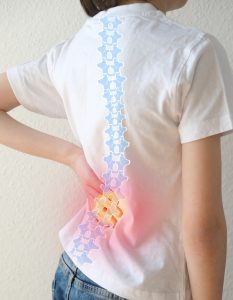
Constant or intermittent pain
Painful burning, tearing or stinging sensations
Sensory changes
Increased sensitivity to stimuli
Pain from gentle stimuli like a soft touch
Numbness
Skin swelling
Reduced function in the affected limb
Changes in skin temperature
Changes in skin color (blotchy, pale, purple or red)
Changes in skin texture (shiny and thin or sweaty)
Changes in nail and hair growth
According to Peripheral and Central Mechanisms of Pain research, ischemic pain may be present in patients experiencing causalgia or CRPS II.
Causalgia Pain Causes
Causalgia develops after direct damage to a nerve, often from injuries like fractures, surgery, or even minor accidents. The injury disrupts the nervous system’s communication with the brain, leading to heightened and prolonged pain signals. While the exact mechanisms are not fully understood, experts believe that nerve damage combined with inflammation plays a key role in triggering this chronic condition.
Here are the most common causes of CRPS II or causalgia:
Surgery (incision, stitches or scarring) [5]
Heart attacks [5]
Infections [5]
Sprains or strains [5]
Fractures [5]
Soft tissue trauma such as burns, bruises or cuts [6]
Crush injury [6]
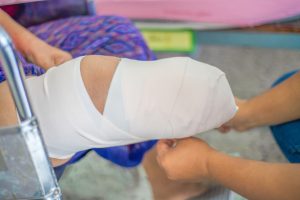
Amputation [6]
Certain factors such as poor nerve health due to diabetes, chemotherapy or smoking may increase your risk of developing causalgia.[2] It’s also more common in people with chronic inflammation due to autoimmune diseases.[2]
Pain Management Treatments
Although it has not been determined why some people develop causalgia while others don’t, treatment to ease symptoms is still crucial as there is no cure. OTC anti-inflammatories and pain relievers can help manage mild pain and inflammation, but severe cases require prescription medications. Antidepressants, anticonvulsants and blood pressure medication help relieve severe nerve pain and symptoms.[https://med.stanford.edu/pain/about/chronic-pain/crps.html] Topical pain relievers are often prescribed to help reduce sensitivity to touch.[3]
Many patients respond well to physical therapy and alternative treatments like breathing exercises, yoga, meditation and acupuncture. Lifestyle changes like quitting smoking, exercising and managing other health conditions better can help improve treatment outcomes.[2] Pain this extreme can affect your mental health, causing depression, anxiety and stress. Biofeedback, behavioral therapy, support groups and psychiatric treatment can help you manage your well-being while dealing with this serious condition.
Causalgia pain can also be managed effectively without surgery. Pain management clinics offer minimally invasive options that offer long-term pain relief, such as:
If you are experiencing severe, unexplained pain following an injury or surgery, it may be causalgia or CRPS II. It’s a challenging diagnosis; early treatment is essential to avoid potential complications and ease discomfort.
Effective causalgia treatment requires a trusted pain management clinic that offers a variety of targeted therapies and procedures. Combining interventional procedures like nerve blocks, injections, and spinal stimulators with medications and lifestyle changes can provide optimal relief.
Tired of struggling with your CRPS II symptoms? A pain management specialist can develop a comprehensive treatment plan to help ease your pain. Don’t wait to seek care—early intervention can make a difference in controlling symptoms and preventing long-term complications.
Christiano D. Causalgia (CRPS Type II): Definition, Symptoms, Treatment. Healthline [Internet]. Published May 11, 2018. Accessed December 16, 2024. Available from: https://www.healthline.com/health/causalgia