
Aging Injuries
PAIN CONDITION
Age-Related Injury Pain: Causes, Treatment & Pain Relief
Getting older means being at greater risk of injuries due to normal changes. Minor accidents can result in more severe injuries, even if the impact isn’t severe.[1] Aging and pre-existing conditions also affect healing, making recovery from injuries slower and increasing the risk of complications.
About Injuries in the Elderly
As people age, significant changes can make them more susceptible to injuries, even from minor incidents like stubbing a toe. Aging causes a reduction in muscle mass, strength, coordination and bone density, increasing the likelihood of injury compared to younger adults.[2]. Common elderly injuries include fractures, strains and joint pain. Injuries often have a more significant impact on the daily lives of seniors because they take longer to heal and may require rehabilitation and pain management to restore comfort and mobility.
Why Aging Increases Injury Risk
As we age, natural changes—such as decreased bone density, slower reflexes, and reduced muscle mass—make it harder to prevent or recover from injuries. These physical changes, combined with the presence of chronic conditions, create an increased risk of pain and mobility issues, even from minor injuries.
Risk Factors for Age-Related Injuries
The first signs of aging often appear as fine lines and graying hair. Over time, subtle changes like morning stiffness evolve into muscle weakness, balance and gait issues, vision and hearing decline, lower bone density, and reduced flexibility. These physical changes, combined with hazards like those below, heighten the risk of injury for older adults.
Here are some of the most common injury causes that seniors experience:
- Car Accidents: Slower reflexes, vision changes, health conditions and medication side effects make driving riskier, resulting in a higher risk of vehicle-related injuries.[3]
- Pre-Existing Conditions: Chronic conditions like arthritis, osteoporosis and diabetes can make the elderly more prone to injury, intensify the pain and complicate healing. Osteoporosis can weaken bones, increasing the risk of severe breaks, while neuropathy due to diabetes and other chronic conditions can reduce sensation, increasing the chances of falls, burns and wounds. [4]
- Age-Related Issues: Changes that usually occur as aging progresses include balance issues, vision changes, reduced sensation (hands and feet), muscle weakness, and issues like dizziness and lightness due to blood pressure problems.[4] Rapid blood pressure drops (postural hypotension) cause dizziness and lightheadedness, making older people more fall-prone.[2]
- Slips and Falls: Balance issues, poor vision or slippery surfaces lead to falls that can cause head trauma or fractures.[3]
- Weakening Bones (Osteoporosis): Bones can become brittle with age; even minor bumps and bruises can cause injuries. [4]
- Medication Side Effects: Some prescription medications can cause dizziness, drowsiness or compromise coordination, which increases the risk of injuries from accidents. [4]
- Nursing Homes: Older adults living in nursing homes and assisted care facilities can face injuries despite supervision. Limited mobility, being transferred (i.e., from chair to bed), and understaffing issues contribute to falls, bedsores and other accidents. [4]
- Environmental Hazards: Clutter, loose rugs, poor lighting and uneven surfaces can increase the chances of trips, slips and falls.[2]
- Workplace Accidents: Older adults are still active in the workforce. Reduced strength, slower reflexes, hearing problems and vision changes put them at risk for injuries from heavy lifting, slips and falls, and repetitive motions.[2]
- Burns and Scalds: Cooking and hot liquids pose a burn threat to the senior population due to reduced feeling, slower reflexes and delicate skin.[3]
Injuries Common in Older Adults
Falls are the leading cause of injuries in older people, affecting millions each year.[5] Aging injuries fall into two main categories: acute and chronic. Acute injuries are sudden, like a broken leg from a fall. Chronic injuries often develop over time due to wear and tear.
Here’s a list of common injuries experienced by adults over 50:
Geriatric Fractures
Fractures in this age group are common due to lower bone density and degenerative conditions like osteoporosis.
Minimal trauma situations can break bones more easily in seniors and take longer to heal. These fractures often occur in critical areas such as the hip, spine, or wrist, significantly impacting mobility and independence.
In some cases, complications like blood clots, infections, or long-term disability can arise, making early diagnosis and proper management essential.
Common fractures include:
- Arm, shoulder or wrist
- Leg (femur, fibula and tibia)
- Hands, feet or ankle
- Back (spinal fracture)
- Tailbone (coccyx)
- Ribs or breastbone (thorax)
- Collarbone (clavicle)
- Hip or pelvis
- Facial fractures
Sprains and Strains
Sprains and strains are common soft tissue injuries in older adults, often caused by weakened ligaments, muscle loss, or decreased flexibility due to aging.[6]
Sprains occur when ligaments, which connect bones at a joint, are overstretched or torn, while strains affect muscles or tendons, which attach muscles to bones. Seniors are particularly vulnerable to these injuries from minor falls, sudden movements, or even routine activities like stepping off a curb or reaching for an object.
Symptoms can include pain, swelling, bruising, and reduced mobility, making daily tasks more challenging. In severe cases, complete tears can lead to joint instability, prolonged recovery times, and an increased risk of further injury.
Common sprains include:
- Sprained ankle
- Sprained wrist
- Sprained knee
- Jammed fingers (finger sprains)
- Thumb sprains
Common strains include:
- Strained lower back
- Strained neck
- Strained hamstring or quadriceps
Neck and Back Injuries
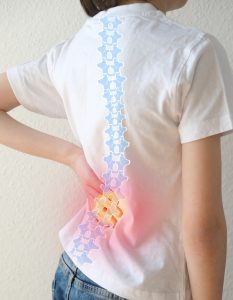
Most neck and back injuries in older adults are primarily caused by falls; however, injuries from motor vehicle accidents and overextension are also frequently observed.[7]
As people age, reduced bone density, muscle weakness, and slower reflexes increase the risk of spinal injuries even from minor incidents. Conditions like osteoporosis and arthritis can further contribute to fragility, making the neck and back more susceptible to strains, fractures, and disc-related issues. In some cases, even routine movements like bending, lifting, or reaching can lead to painful injuries due to decreased flexibility and joint degeneration.
These injuries can significantly impact mobility and independence, often requiring extended recovery times and specialized treatment to prevent long-term complications.
Common neck and back injuries include:
- Whiplash
- Herniated discs
- Spinal fractures
- Lower back strains
- Cervical (neck) strains [7]
- Cervical (neck) fractures [7]
- Thoracic (mid-back) spine injuries [8]
- Lumbar (lower back) strains or sprains
- Pinched nerves (radiculopathy)
- Facet joint injuries
- Spinal cord injuries [7]
- Sciatica
- Compression fracture [9]
- Soft tissue injuries
- Spondylolisthesis (vertebra slipping out of place) [7]
Head Injuries
Head injuries are common in older patients, mainly as a result of a fall.[10]
Age-related balance issues, muscle weakness, and vision impairments increase the likelihood of falling, making head trauma a significant concern. In addition, older adults are more prone to complications such as brain bleeds or concussions, even from minor impacts, due to age-related changes in brain structure and blood vessel fragility.
These injuries can lead to cognitive decline, dizziness, or long-term neurological issues, making timely medical evaluation and monitoring essential for recovery and overall well-being.
Common head injuries include:
- Concussions
- Skull fractures
- Hematoma [2]
- Hemorrhage [11]
- Contusion (bruising or bleeding)
- Traumatic brain injury (TBI) [12]
Soft Tissue Injuries
Soft tissue damage is common in older adults and often takes longer to heal due to reduced tissue regeneration.[2]
As the body ages, decreased collagen production and slower circulation contribute to delayed healing, increasing the risk of prolonged pain and stiffness. Even minor bruises, sprains, or strains can lead to greater discomfort and mobility issues, making daily activities more challenging.
Inadequate healing can also lead to chronic inflammation or further injury, emphasizing the need for careful movement and proper medical attention.
Common soft tissue injuries include:
- Spains
- Strains
- Contusions (bruises)
- Tennis Elbow
- Golfer’s Elbow
- Hip labral tear
- Shoulder bursitis
- Rotator cuff injury
- Hip bursitis
- Joint contracture [4]
Dislocations
Adults over 65 are more likely to dislocate a joint due to slips and falls, as age-related muscle weakness, balance issues, and reduced bone density increase their vulnerability.[13]
Dislocated joints are classified as complete dislocations (luxation), where the joint is entirely out of place, or partial dislocations (subluxation), where the joint is only partially displaced.[14]
In older adults, dislocations can be more severe due to preexisting joint conditions like arthritis, which weaken the surrounding ligaments and make joints less stable. Recovery can also be prolonged, as aging tissues take longer to heal, and dislocations may lead to chronic pain, decreased mobility, or an increased risk of future injuries.
Common types of dislocations:
- Dislocated hip
- Dislocated elbow
- Dislocated knee
Wounds
In older adults and geriatric patients, acute wounds can become chronic issues without proper care.[15/]
Wound healing is often slower in aging adults, requiring effective pain management and optimal wound care.[15]
Common wounds caused by accidents:
- Cuts and lacerations
- Punctures
- Pressure sores [4]
- Diabetic foot ulcers
- Avulsion (removal of skin and tissue) [16]
- Burns
Symptoms of an Accidental Injury
Depending on the type of accident and injury you sustained, you may have one or more of the following symptoms:
Acute Symptoms for Aging Injuries
- Sharp, immediate pain
- Swelling or bruising at the injury site
- Limited range of motion or inability to move the affected area
- Visible deformity (e.g., fractures)
- Inability to bear weight on a limb
- Immediate stiffness or muscle spasms
- Numbness or tingling in extremities
- Dizziness or confusion, particularly after head injuries
- Bleeding or oozing from cuts or wounds
- Tenderness to touch in the injured area
Chronic Symptoms Due to Geriatric Injuries
- Persistent or recurring pain
- Ongoing swelling or inflammation
- Stiffness or reduced flexibility
- Weakness in the affected area
- Difficulty performing daily activities
- Chronic headaches or migraines
- Numbness or tingling in the limbs
- Sleep disturbances
- Sensitivity to pressure or movement, especially around joints
- Cognitive issues, including difficulty concentrating or memory problems
Preventing Injuries As You Age
As we age, proactive injury prevention becomes essential to protecting our health and wellness. Regular healthcare visits go a long way in helping to prevent unnecessary falls or car accidents.
Here are some tips to reduce the risk of injury:
- Regular vision and hearing checks
- Eat a healthy diet and exercise regularly
- Wear appropriate footwear: low-heeled shoes with firm, non-slip soles and ankle support
- Stand up slowly
- Review medications for side effects like drowsiness
- Use a suitable height walking device (cane or walker)
- Eliminate slip or trip hazards like clutter, extension cords, throw rugs, damaged flooring
- Improve lighting indoors and outdoors
- Have grab bars professionally installed in bathrooms
- Use non-slip mats in the shower
Consider alternatives like ride-sharing or public transportation if driving is no longer safe.
Injury Prevention and Pain Management As You Age
Aging brings unique challenges, including chronic health conditions and physical changes that increase the risk of injury. Recovery can also take longer, making it essential to take proactive steps to protect your health and prevent injuries whenever possible. If an accident does occur, prompt care is crucial for effective healing and rehabilitation. Pain management specialists can help address pain and mobility concerns and create a treatment plan to enhance comfort and restore function.
Along with pain management for acute or chronic pain, prevention is vital. Simple lifestyle changes, like maintaining a balanced diet, staying active, and ensuring your living space is safe, can help minimize the risk of accidents. By prioritizing management and prevention, you can confidently embrace aging, knowing you’re taking the proper steps to safeguard your health and well-being.





Resources:
- Busse P. Preventing injuries among aging workers. SFM Mutual Insurance [Internet]. Published August 19, 2024. Accessed October 26, 2024. https://www.sfmic.com/preventing-injuries-among-aging-workers/
- Institute of Medicine (US) Division of Health Promotion and Disease Prevention; Berg RL, Cassells JS, editors. The Second Fifty Years: Promoting Health and Preventing Disability. Washington (DC): National Academies Press (US)[Internet]; 1992. 15, Falls in Older Persons: Risk Factors and Prevention. Accessed October 26, 2024. Available from: https://www.ncbi.nlm.nih.gov/books/NBK235613/#
- 5 Most Common Injuries Among Seniors and How to Avoid Them. Buckner Retirement Services [Internet]. Published March 20, 2023. Accessed October 26, 2024. Available from: https://bucknerretirement.org/blog/5-most-common-injuries-among-seniors-and-how-to-avoid-them/
- Spotlight on Aging: Injuries to Muscles, Bones, and Other Tissues. Merck Manual Consumer Version [Internet]. Accessed October 26, 2024. Available from: https://www.merckmanuals.com/home/multimedia/table/spotlight-on-aging-injuries-to-muscles-bones-and-other-tissues
- Preventing Falls. John Hopkins Medicine [Internet]. Accessed October 26, 2024. Available from: https://www.hopkinsmedicine.org/health/wellness-and-prevention/preventing-falls
- Sprains, Strains and Other Soft-Tissue Injuries. OrthoInfo – AAOS [Internet]. Aaos.org. Published 2015. Accessed October 26, 2024. Available from: https://orthoinfo.aaos.org/en/diseases–conditions/sprains-strains-and-other-soft-tissue-injuries/
- Jeanmonod R, Varacallo M. Geriatric Cervical Spine Injury. [Updated 2023 Aug 4]. In: StatPearls [Internet]. Treasure Island (FL): StatPearls Publishing; 2024 Jan-. Accessed October 26, 2024. Available from: https://www.ncbi.nlm.nih.gov/books/NBK470375/
- Thoracic Spine: What It Is, Function & Anatomy. Cleveland Clinic [Internet]. Published 2023. Accessed October 26, 2024. Available from: https://my.clevelandclinic.org/health/body/22460-thoracic-spine
- Ali A, Arif AW, Bhan C, Kumar D, Malik MB, Sayyed Z, Akhtar KH, Ahmad MQ. Managing Chronic Pain in the Elderly: An Overview of the Recent Therapeutic Advancements. Cureus [Internet]. 2018 Sep 13;10(9):e3293. doi: 10.7759/cureus.3293. PMID: 30443463; PMCID: PMC6235641. Accessed October 26, 2024. Available from: https://pmc.ncbi.nlm.nih.gov/articles/PMC6235641/
- Beedham W, Peck G, Richardson SE, Tsang K, Fertleman M, Shipway DJ. Head injury in the elderly – an overview for the physician. Clin Med (Lond) [Internet]. 2019 Mar;19(2):177-184. doi: Accessed October 26, 2024. 10.7861/clinmedicine.19-2-177. PMID: 30872306; PMCID: PMC6454360. Available from: https://pmc.ncbi.nlm.nih.gov/articles/PMC6454360/#
- Yee G, Jain A. Geriatric Head Injury. [Updated 2023 Aug 8]. In: StatPearls [Internet]. Treasure Island (FL): StatPearls Publishing; 2024 Jan-. Accessed October 26, 2024. Available from: https://www.ncbi.nlm.nih.gov/books/NBK553101/#
- Dell KC, Grossner EC, Staph J, Schatz P, Hillary FG. A Population-Based Study of Pre-Existing Health Conditions in Traumatic Brain Injury. Neurotrauma Rep [Internet]. 2021 Jun 9;2(1):255-269. doi: 10.1089/neur.2020.0065. PMID: 34223556; PMCID: PMC8244518. Accessed October 26, 2024. Available from: https://pmc.ncbi.nlm.nih.gov/articles/PMC8244518/
- Spotlight on Aging: Dislocations. Merck Manual Consumer Version [Internet]. Accessed October 26, 2024. Available from: https://www.merckmanuals.com/home/multimedia/table/spotlight-on-aging-dislocations
- Dislocation. Cleveland Clinic [Internet]. Published 2018. Accessed October 26, 2024. Available from: https://my.clevelandclinic.org/health/diseases/17873-dislocation
- Gould L, Abadir P, Brem H, et al. Chronic Wound Repair and Healing in Older Adults: Current Status and Future Research. Journal of the American Geriatrics Society [Internet]. 2015;63(3):427-438. Accessed October 26, 2024doi:https://doi.org/10.1111/jgs.13332 Available from: https://pmc.ncbi.nlm.nih.gov/articles/PMC4582412/
- What to Do if You Lose a Chunk of Your Body. Verywell Health [Internet]. Accessed October 26, 2024. Available from: https://www.verywellhealth.com/how-to-treat-an-avulsion-1298913