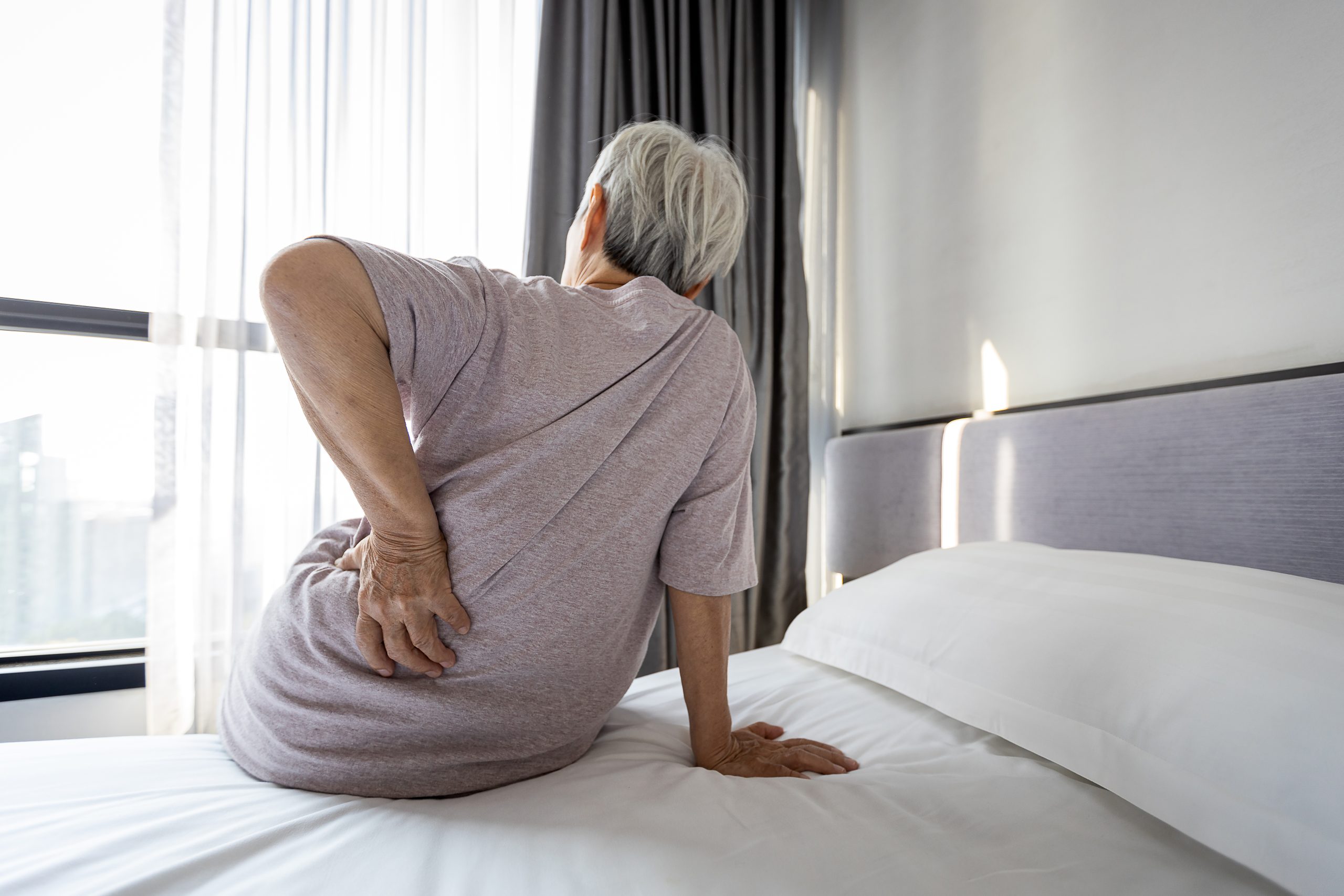
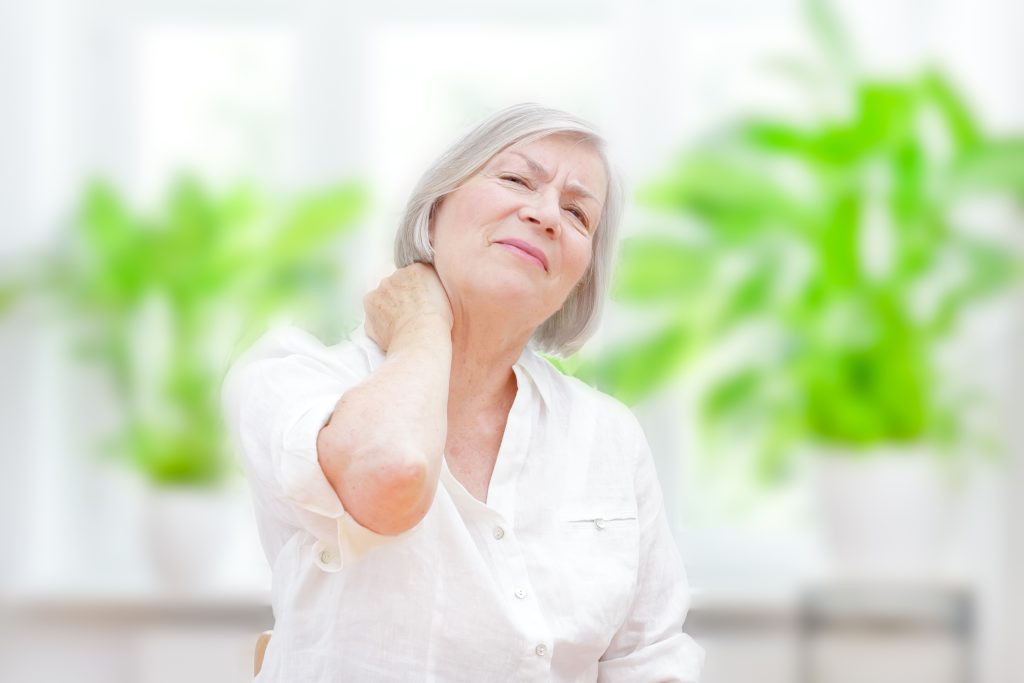
Contrary to popular belief, chronic pain is NOT an inevitable part of growing older. It is not magically bestowed upon you once you’ve celebrated a certain number of birthdays. Persistent pain is often labeled as an “age-related condition,” but your age is not the direct cause of hurting more as the years pass by.
Like many, you probably assume that arthritis and health issues that cause pain are simply a natural part of growing older. [1] Your doctor may retort, “Well, you are getting older,” in response to your complaints about daily pain beyond age-appropriate stiffness. When medical professionals reinforce this misconception, it makes it impossible for adults to address underlying conditions, potentially leading to unnecessary pain later in life. [1]
The good news? With proper medical care and early intervention, older adults can manage or even prevent many pain-related conditions, proving that aging doesn’t have to mean living in pain.
Why Do People Think Pain Is Part of Aging?
Many people mistakenly believe pain is a natural part of aging because some health conditions become more common with age, leading to the misconception that pain is unavoidable. Even the healthcare industry tends to reinforce this belief, which prevents older adults from receiving crucial diagnoses and treatment.[1]
According to the Centers for Disease Control and Prevention (CDC), approximately two in five adults experience pain that lasts longer than three months. This number rises to 50% among older adults, and it can be as high as 84% in nursing home residents.[2]
Aging itself does not cause pain—pain is always a sign of an underlying issue. Your body is not supposed to become painful simply because you’ve reached a certain age. Chronic pain in seniors is often linked to conditions such as arthritis, diabetes, cancer, cardiovascular disease, and neurological disorders.[3]
What Causes Pain in Older Adults?
Lack of medical care is usually the culprit behind adults over 60 finding themselves hurting daily. Studies sadly report that many older adults do not seek treatment, often due to financial barriers, cultural beliefs about enduring pain, or the misconception that pain is just a part of getting older.[3] Left untreated, chronic pain can lead to poor sleep, depression, fall-related injuries, malnutrition, disability, and a decreased quality of life. [3]
While aging does cause natural changes to the body, like reduced flexibility or occasional stiffness, these do not automatically lead to chronic pain.[4] Persistent or severe pain in older adults is typically linked to underlying health conditions, not age.
The most common causes of chronic pain in seniors include:
- Osteoarthritis: Results from the breakdown of cartilage in joints and affects nearly 33 million adults in the U.S. [5]
- Osteoporosis: A condition that weakens bones and increases the risk of fractures, particularly in the hips, spine, and wrists. [6].
- Neuropathy or Nerve Damage: often related to diabetes or spine conditions, which can cause burning, tingling, or shooting pain in the limbs. [7]
- Old Injuries or Past Surgeries: May lead to long-term joint or soft tissue pain long after recovery if not properly managed.[8] Some people over 40 may develop CRPS (complex regional pain syndrome) in their limbs after trauma like surgery or injury.[9]
It’s important to distinguish between normal age-related changes, such as occasional stiffness or slower recovery after activity, and chronic pain that interferes with daily life.
Why You Shouldn’t Ignore Pain—At Any Age
Pain—at any age—should never be ignored because it often signals an underlying medical condition that requires evaluation and treatment. Left untreated, it can lead to reduced mobility, increased risk of falls, loss of independence, and a significantly lower quality of life [10]. Chronic pain is also strongly linked to mental health concerns, including higher rates of depression and anxiety, especially in older adults [10].
Early treatment and modern healthcare advancements make it possible to identify risk factors and intervene before pain becomes difficult to manage, helping preserve mobility, independence, and quality of life.
Effective Pain Management Strategies for Aging Adults
As you grow older, you shouldn’t fear pain or immobility. While you may not be able to prevent every illness or age-related injury, you can take a proactive approach to reduce your risk of developing chronic pain and other health issues later in life. A little prevention goes a long way when it comes to aging without pain.
Here are some simple lifestyle habits you can start today:
- Maintain a healthy weight: Extra weight adds stress to your joints, especially your back, knees, and hips, and increases inflammation that can trigger or worsen pain.
- Stick to a healthy diet: Fuel your body with nutritious foods rich in anti-inflammatory properties, like fruits, vegetables, whole grains, and healthy fats.
- Stay active: Regular exercise keeps your muscles strong, joints flexible, and circulation moving—all essential for avoiding stiffness and long-term pain.
- Prioritize rest: Quality sleep is vital for physical recovery, immune function, and mental clarity. Your body heals best when well-rested.
- Support your mental health: Chronic stress, anxiety, or depression can heighten your perception of pain. Don’t hesitate to seek support or practice calming activities.
- Listen to your body: Don’t brush off aches or unusual symptoms. Early attention to small problems can prevent bigger issues down the road.
The Importance of Seeing a Pain Management Specialist
Don’t accept pain as a normal part of getting older. Yes, aging brings changes—like slower recovery, reduced flexibility, or shifts in metabolism—but pain isn’t a birthday gift you’re obligated to receive. No matter how small, every symptom is worth mentioning to your doctor. Early intervention can prevent minor issues from becoming major ones.
If pain is interfering with your daily life or keeping you from activities you once loved, it’s time to seek expert care. A pain management specialist can help identify the root cause and create a personalized plan that may include treating the underlying condition, physical therapy, and lifestyle adjustments like exercise and nutrition.
Unaddressed pain doesn’t just wear on your body—it can impact your mood, sleep, and overall outlook. If you’re hurting or at risk for chronic conditions, talk to your primary care provider or a board-certified pain specialist. With proactive health care and healthy habits, you can stay active and feel your best at any age.
Resources:
- Thielke S, Sale J, Reid MC. Aging: Are these 4 pain myths complicating care?. J Fam Pract [Internet]. 2012;61(11):666-670. Accessed March 31, 2025. Available from: https://pmc.ncbi.nlm.nih.gov/articles/PMC4356472/
- Dahlhamer J, Lucas J, Zelaya, C, et al. Prevalence of Chronic Pain and High-Impact Chronic Pain Among Adults — United States, 2016. MMWR Morbidity and Mortality Weekly Report [Internet]. 2018;67(36):1001-1006. doi:https://doi.org/10.15585/mmwr.mm6736a2. Accessed March 31, 2025. Available from: https://www.cdc.gov/mmwr/volumes/67/wr/mm6736a2.htm
- Noroozian M, Raeesi S, Hashemi R, Khedmat L, Vahabi Z. Pain: The Neglect Issue in Old People’s Life. Open Access Maced J Med Sci [Internet]. 2018;6(9):1773-1778. Published 2018 Sep 20. doi:10.3889/oamjms.2018.335. Accessed March 31, 2025. Available from: https://pmc.ncbi.nlm.nih.gov/articles/PMC6182540/#
- Stefanacci RG. Changes in the Body With Aging. Merck Manual Consumer Version [Internet]. Revised April 2024. Accessed March 31, 2025. Available from: https://www.merckmanuals.com/home/older-people-s-health-issues/the-aging-body/changes-in-the-body-with-aging
- OA Prevalence and Burden. Osteoarthritis Action Alliance [Internet]. Published 2024. Accessed March 31, 2025. Available from: https://oaaction.unc.edu/oa-module/oa-prevalence-and-burden/
- Osteoporosis. National Institute on Aging [Internet]. Published November 15, 2022. Accessed March 31, 2025. Available from: https://www.nia.nih.gov/health/osteoporosis
- Peripheral Neuropathy. National Institute of Neurological Disorders and Stroke [Internet]. Published 2023. Accessed March 31, 2025. Available from: https://www.ninds.nih.gov/health-information/disorders/peripheral-neuropathy
- Stopping pain before it turns chronic. Harvard Health Publishing – Harvard Medical School [Internet]. Accessed March 31, 2025. Available from: https://www.health.harvard.edu/pain/stopping-pain-before-it-turns-chronic#
- Complex Regional Pain Syndrome. National Institute of Neurological Disorders and Stroke [Internet]. Accessed March 31, 2025. Available from: https://www.ninds.nih.gov/health-information/disorders/complex-regional-pain-syndrome#
- Schwan J, Sclafani J, Tawfik VL. Chronic Pain Management in the Elderly. Anesthesiol Clin [Internet]. 2019;37(3):547-560. doi:10.1016/j.anclin.2019.04.012. Accessed March 31, 2025. Available from: https://pmc.ncbi.nlm.nih.gov/articles/PMC6658091/