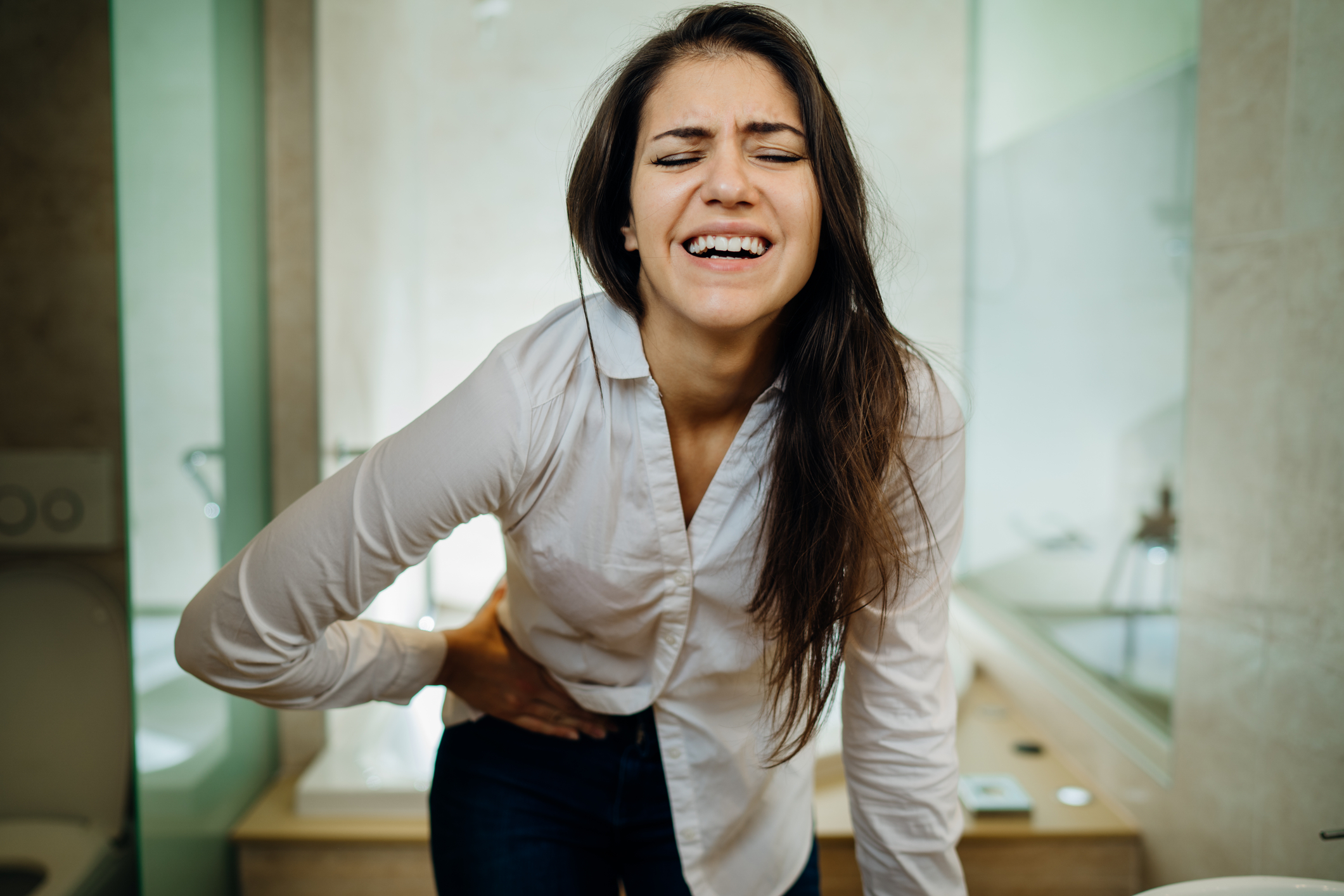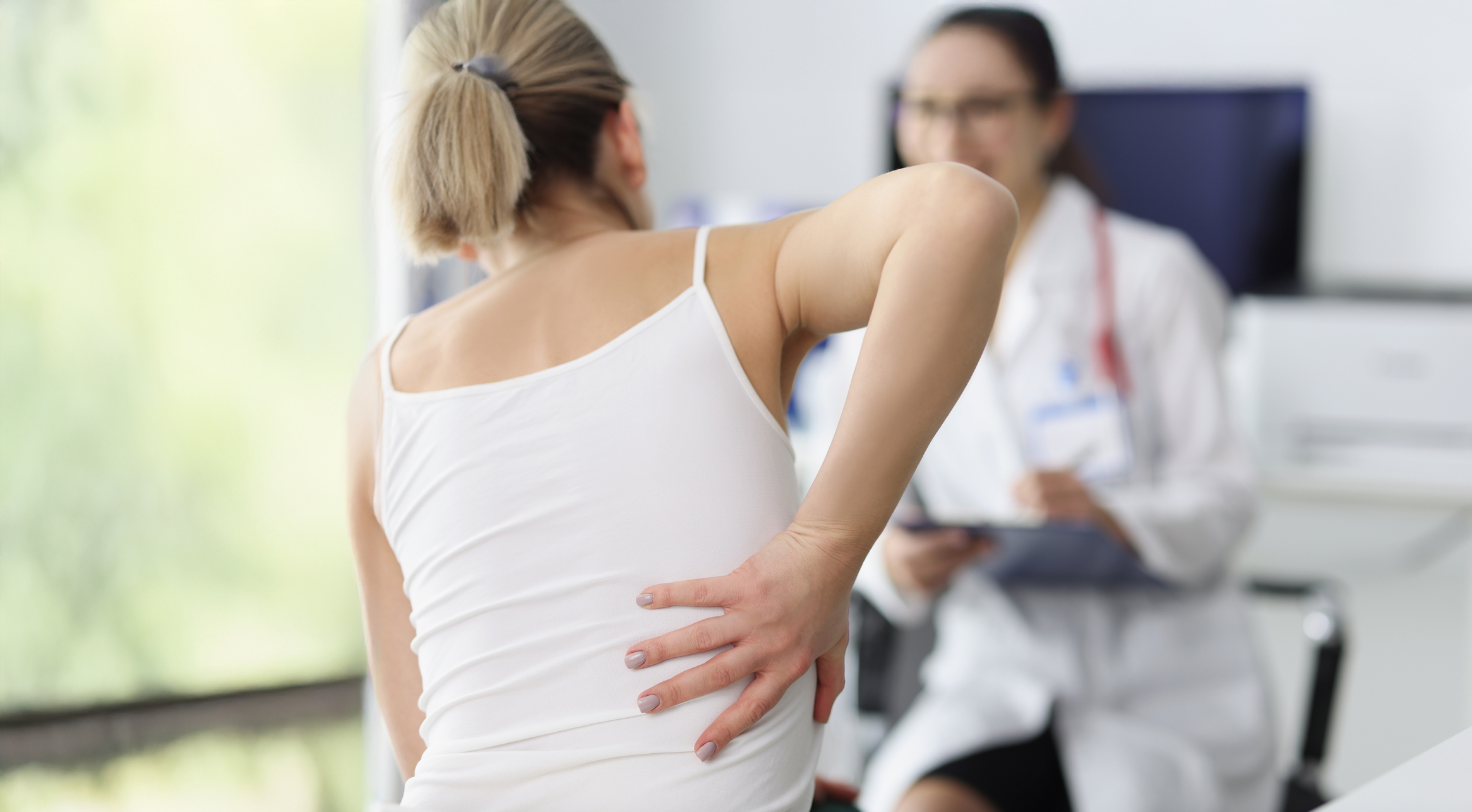

If you’re an adult living with scoliosis, you’re not imagining the back pain, stiffness and fatigue. It’s common and can truly interfere with your daily life. Just like the cartilage in your knees wears down over time, the cushioning in your spine does the same. This gradual wear and tear leads to a side-to-side spinal curve known as adult degenerative scoliosis (sometimes called “de novo” scoliosis).[1]
According to The Burden of Musculoskeletal Diseases in the United States, approximately 5.88 million American adults have scoliosis, but some researchers estimate the actual number may be much higher, possibly over 100 million, because many cases go unreported.[2]
You deserve answers about what is causing your pain, validation that it exists and profound relief so you can get on with the business of living with less aches and back pain caused by your scoliosis.
Why Does a Curved Spine Hurt So Much?
In adults, scoliosis often develops because the spinal discs and facet joints break down with age, causing the vertebrae to shift, rotate, and tilt slowly.[3] As degeneration continues, the spine becomes more imbalanced, which can lead to both back pain and radiating leg pain.[4] And because adults are living longer, more active lives, specialists are seeing more cases than ever.
1. Muscle Fatigue From Working Overtime
When the spine curves, the muscles on one side of your back end up doing far more work to keep you upright. Overactive, strained muscles can lead to chronic achiness, burning, and stiffness.[5] Your body is essentially “fighting the curve” all day long, and that effort adds up.
2. Pinched Nerves and Radiating Leg Pain
As the vertebrae rotate or collapse toward one side, the openings where the nerves exit (the foramina) can narrow. This can irritate or compress spinal nerves, often causing sciatica-like pain, numbness, tingling, or weakness down the legs.[6] Many adults say this nerve pain is even more disruptive than their back pain.
3. Spinal Arthritis and Disc Degeneration
Most adults with scoliosis also have arthritis of the spine because the joints wear unevenly under the curve.[7] As discs thin and bones rub against each other, inflammation and stiffness increase. This is why standing, walking, or even sitting for long periods can trigger discomfort.
4. Changes in Posture and Balance
Adult scoliosis often shifts the body’s center of gravity forward or to the side, creating a feeling of leaning or imbalance.[8] When your posture is off, everyday activities, such as carrying groceries, bending, or lifting, can feel harder on both your back and hips. In fact, hip pain is common because the pelvis can tilt as the spine curves.[9]
How Adults With Scoliosis Pain Can Find Relief (Without Surgery)
Most adults do not need surgery. You can find meaningful relief with conservative, non-invasive treatment plans designed for you by a pain specialist. What helps most depends on your pain patterns, curve severity, and daily lifestyle.
1. Non-Surgical Pain Management to Ease Pain and Improve Mobility
A pain specialist can help you sort through options that actually fit your life. Many adults get relief from epidural steroid injections, SI joint or facet joint injections, which calm irritated nerves and inflamed joints. Others do well with medial branch blocks, radiofrequency ablation or spinal cord stimulation (SCS) for persistent pain. And for some, medication management, like anti-inflammatories, nerve-calming meds, or muscle relaxers, helps take the edge off stubborn flare-ups. These minimally invasive procedures can also be combined with medication, physical therapy, lifestyle changes and alternative therapies such as chiropractic care, acupuncture, or massage therapy.
2. Physical Therapy That Builds Strength and Support
Targeted physical therapy can strengthen the core and spinal stabilizers, reducing muscle fatigue and improving posture.[10] Therapists often use scoliosis-specific exercises to rebalance the body and improve mobility.
3. Anti-Inflammatory Medications and Injections
Over-the-counter NSAIDs or prescription medications can help reduce inflammation in the joints and nerves.[11] For more stubborn flare-ups, epidural steroid injections or facet joint injections may offer targeted pain relief.[12]
4. Heat, Ice, and Activity Modifications
Simple daily habits, like using a heating pad, avoiding prolonged sitting, or pacing heavier tasks, can help lessen muscle strain and keep you comfortable.[5]
5. Bracing for Back Support
While bracing doesn’t correct an adult curve, certain soft or rigid braces can provide temporary support during flare-ups or activity.[13]
A Personalized Pain Management Plan Can Help You Feel More in Control of Your Scoliosis Pain
Adult scoliosis can be frustrating, exhausting, and overwhelming, but you’re not powerless. With the right pain management strategies, many adults stay active, independent, and comfortable without surgery.[14] If scoliosis is interfering with your daily life, a pain management specialist can help tailor a plan that meets your goals, reduces flare-ups, and enables you to feel more in control of your spine health.
That often means a multidisciplinary approach, pairing medical treatments with things like physical therapy, gentle daily stretching, pacing your activities, avoiding heavy lifting or overloading your back, and making minor lifestyle adjustments that support your spine. Many patients also benefit from complementary approaches such as heat therapy, massage, or mindfulness techniques. When combined with a personalized pain management plan, these habits can make everyday life with scoliosis feel far more manageable.
The goal isn’t to mask your pain — it’s to help you move, sleep, and live with less discomfort and a lot more control.
Disclaimer: This blog is for educational purposes only and should not replace professional medical advice, diagnosis, or treatment. If you experience sudden, severe, or worsening pain — especially if it’s accompanied by symptoms like fever, numbness, weakness, shortness of breath, chest pain, or loss of bladder or bowel control, seek immediate medical care. Don’t wait for your next pain management appointment.
Resources:
- Adult Degenerative Scoliosis. British Scoliosis Society [Internet]. Accessed December 03, 2025. Available from: https://britscoliosis.org.uk/Adult-Degenerative-Scoliosis
- Correa A, Watkins-Castillo SI. Prevalence of Adult Scoliosis. The Burden of Musculoskeletal Diseases in the United States (BMUS-ORS) [Internet]. Published 2014. Accessed December 03, 2025. Available from: https://bmus-ors.org/2014-report/iiid21/prevalence-adult-scoliosis
- Geng C. Does scoliosis cause back pain? Medical News Today [Internet]. Updated September 11, 2023. Accessed December 03, 2025. Available from: https://www.medicalnewstoday.com/articles/does-scoliosis-cause-back-pain
- Ilharreborde B, Simon AL, Shadi M, Kotwicki T. Is scoliosis a source of pain?. J Child Orthop [Internet]. 2023;17(6):527-534. Published 2023 Nov 28. doi:10.1177/18632521231215861 Accessed December 03, 2025. Available from: https://pmc.ncbi.nlm.nih.gov/articles/PMC10693849/
- Franks I. What Kind of Pain Does Scoliosis Cause? Healthline [Internet]. Updated July 24, 2025. Accessed December 03, 2025. Available from: https://www.healthline.com/health/scoliosis-pain
- Scoliosis – Symptoms and Causes. Mayo Clinic [Internet]. Published September 28, 2024. Accessed December 03, 2025. Available from: https://www.mayoclinic.org/diseases-conditions/scoliosis/symptoms-causes/syc-20350716
- AANS. Scoliosis – Patient Content. American Association of Neurological Surgeons (AANS) [Internet]. Published April 30, 2024. Accessed December 03, 2025. Available from: https://www.aans.org/patients/conditions-treatments/scoliosis/
- Kim HJ. Scoliosis Treatment for Adults. Hospital for Special Surgery (HSS). Accessed December 03, 2025. Available from: https://www.hss.edu/health-library/conditions-and-treatments/scoliosis-in-adults
- Hartley J. Scoliosis Pain: What Causes It, Symptoms and Pain Relief. Clear Institute [Internet]. Published April 23, 2025. Accessed December 03, 2025. Available from: https://clear-institute.org/blog/scoliosis-pain/
- Treatment in adults – Scoliosis. NHS [Internet]. Published 2019. Accessed December 03, 2025. Available from: https://www.nhs.uk/conditions/scoliosis/treatment-in-adults/
- Whitbourne K. Scoliosis: Causes, Symptoms, and Treatments. WebMD [Internet]. Accessed December 03, 2025. Available from: https://www.webmd.com/back-pain/causes-scoliosis
- Pain Management for Scoliosis. Scoliosis Support and Research (SSR) [Internet]. Published May 31, 2024. Accessed December 03, 2025. Available from: https://ssr.org.uk/scoliosis/pain-management-for-scoliosis/
- Scoliosis. Cleveland Clinic [Internet]. Accessed December 03, 2025. Available from: https://my.clevelandclinic.org/health/diseases/15837-scoliosis
- Scoliosis – Diagnosis and Treatment. Mayo Clinic [Internet]. Published May 13, 2023. Accessed December 03, 2025. Available from: https://www.mayoclinic.org/diseases-conditions/scoliosis/diagnosis-treatment/drc-20350721