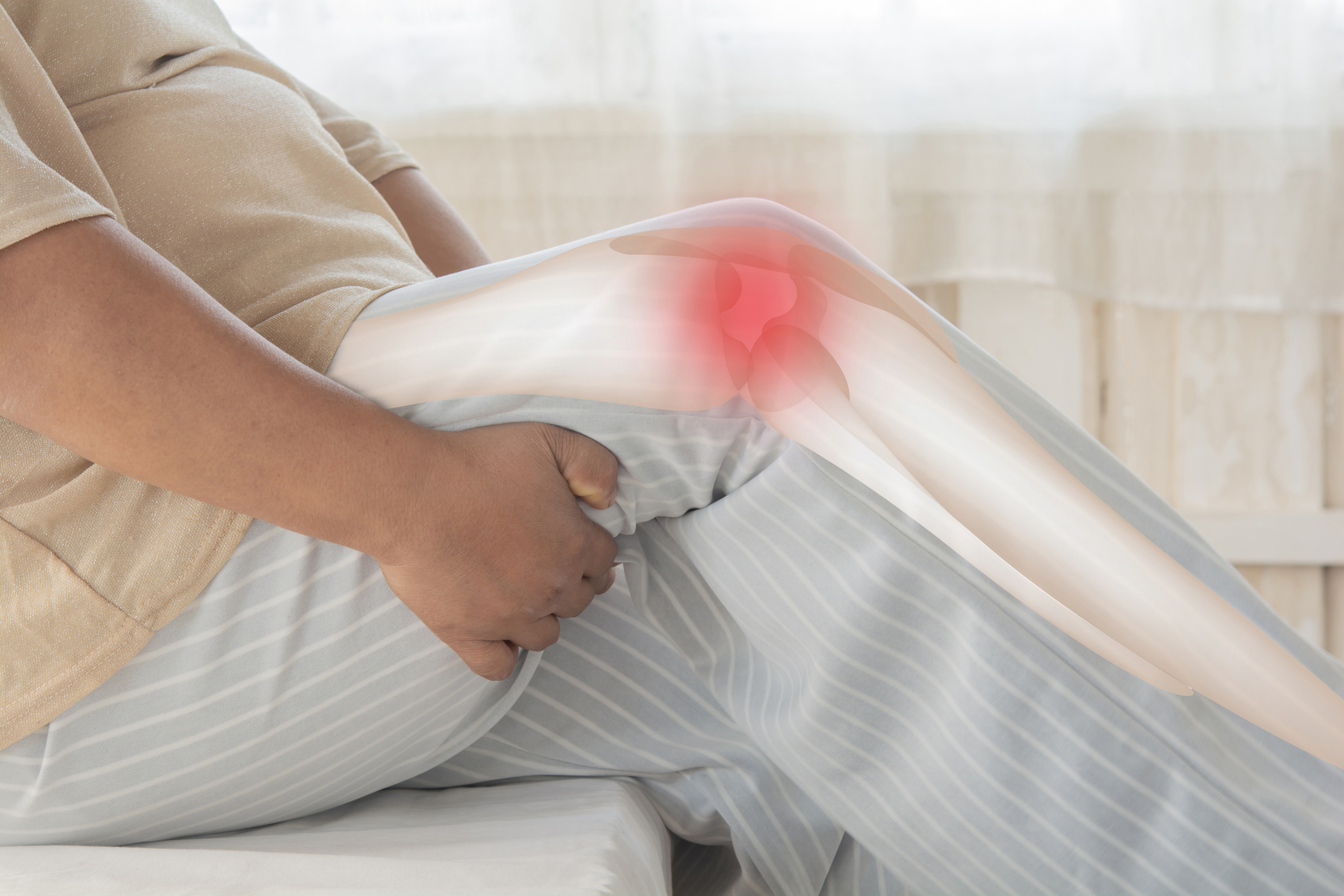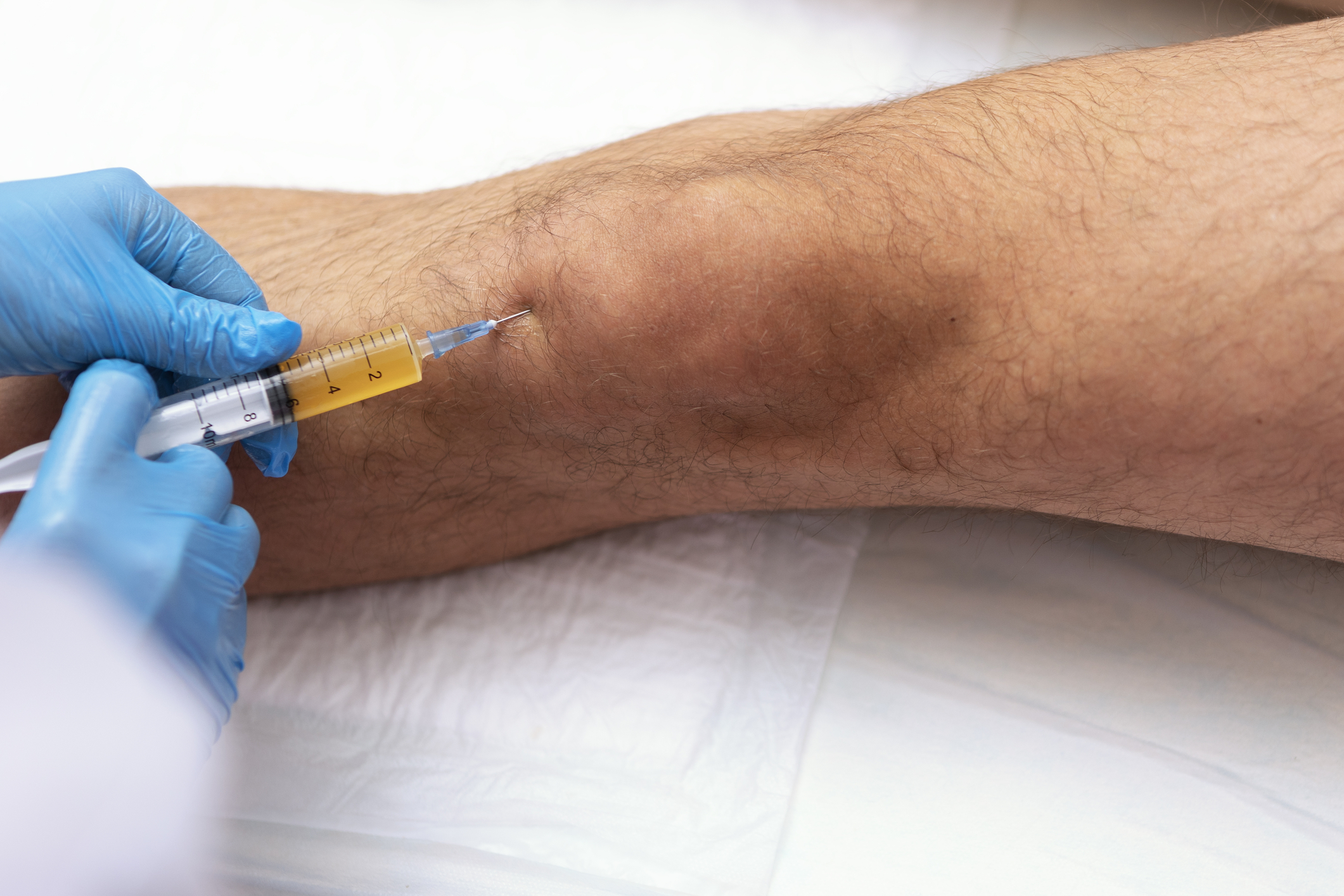
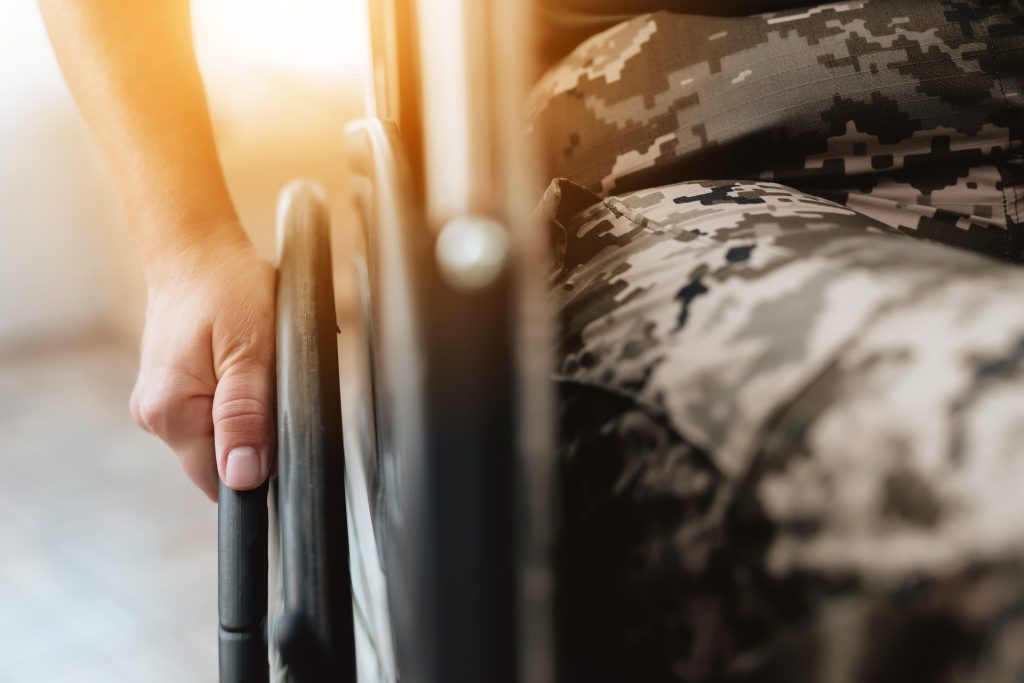
To all the brave men and women who have served our country — we see you, and we thank you. You showed courage in uniform and continue to show strength every day. For many veterans, that strength includes living with a difficult, often silent companion: chronic pain.
If you’re one of the many veterans managing ongoing pain after service, you’re not alone, and you don’t have to face it without help. Whether you receive care through Veterans Affairs, the VA Community Care Program or a private provider, effective pain management is possible, especially in a setting that focuses on treating the whole person, not just the pain.
Why Men and Women Who Served in the US Armed Forces Often Face Chronic Pain
No matter where you served or how you ended up with persistent pain, if it lasts more than three months, it’s considered chronic.[1] Chronic pain sticks around even after the original battle wounds or injuries have healed.[2]
Studies show veterans experience chronic pain at much higher rates than the general population, and it’s often linked to physical strains, injuries, chronic conditions or overlapping mental health conditions.[3; 4] It’s common for chronic pain in veterans to exist alongside anxiety, depression, or trauma responses, all of which can intensify pain experience.[1; 4] Because of this, the “just treat the pain with pills” model doesn’t work well on its own. Instead, a multidisciplinary, whole-person strategy is increasingly recognized as the best path.
Accessing Care Outside the VA: Finding the Right Pain Management After Military Service
Many veterans receive care through VA hospitals, but others qualify for treatment in independent pain clinics through the VA Community Care Program. This program lets eligible veterans access non-VA providers when specialized services or shorter wait times are needed.[https://www.va.gov/resources/eligibility-for-community-care-outside-va/]
Local private practice pain clinics that treat veterans understand their unique needs, from the physical effects of service to the emotional weight that can come with chronic pain. Even outside the VA, veterans can find providers experienced in trauma-informed and veteran-centered pain care.
Non-Pharmacological Strategies that Make a Difference in Veteran Pain Care
Pain management isn’t only about medication or procedures. The most effective plans combine evidence-based, non-medical therapies to help veterans regain control and improve their daily lives.
- Physical therapy and movement programs: Gentle exercise, stretching, and progressive strength training can restore mobility, reduce stiffness, and prevent flare-ups. [4]
- Mind-body and behavioral therapies: Programs like Acceptance and Commitment Therapy (ACT) and mindfulness-based pain management have helped veterans reduce pain intensity and improve function.[5;6] These approaches focus on reframing how the brain and body interpret pain, reducing stress reactivity, and increasing resilience.
- Peer and group support: Talking with other veterans who understand what you’re going through helps reduce isolation and build confidence. Peer-to-peer programs and veteran group workshops can enhance both pain coping skills and social connection. [4]
- Lifestyle and self-management: Simple changes, such as pacing activities, improving sleep, reducing alcohol use, eating nutrient-dense foods, and learning stress-management techniques, can make a major difference in long-term pain outcomes.[1]
- Setting functional goals: The focus of treatment should shift from “eliminating pain” to “improving function and quality of life.” Many veterans find success by setting small, measurable goals such as walking a little farther, sleeping better, or returning to a favorite hobby.[7]
Veteran Pain Management: Why a Whole-Person Approach Works Best
The short answer is that pain affects more than nerves and joints. It affects every part of life, especially in ex-military personnel. That’s why holistic or whole-person care works best. Research shows that integrating physical rehabilitation with behavioral health and social support can significantly improve veterans’ function and reduce long-term pain interference.[4]
The VA and many pain management clinics are moving away from opioid-centered treatment toward multimodal, non-pharmacologic care, emphasizing education, nutrition, movement, mind-body practices and psychological tools instead.[8]
Moving Forward: Choosing Comprehensive Pain Care That Honors Your Service
If you’re a veteran living with chronic pain, you’ve already proven your strength in ways most people never will. The next step is finding care that supports every part of your health —physical, emotional, and social — so you can live life on your terms again.
Modern pain management has come a long way. Comprehensive and multidisciplinary programs bring together interventional treatments, physical rehabilitation, behavioral therapy, and self-management tools to help you regain comfort, movement, and confidence. These approaches recognize that pain isn’t just a symptom; it’s a whole-body experience that deserves whole-person care.
When you’re ready to take that next step, consider asking your provider about:
- Comprehensive, multidisciplinary pain programs that combine medical procedures, physical therapy, alternative therapies, lifestyle modifications and mental health support.
- Referrals to non-VA pain clinics through the VA Community Care Program are available if long travel, wait times, or limited specialty care make it hard to access the treatment you need.
- Veteran-informed or trauma-sensitive providers who understand the physical and emotional impact of military service.
You’ve already shown incredible courage and resilience. You deserve care that honors that same spirit: care that helps you move with freedom, rest without pain, and live with purpose every day.
Disclaimer: This blog is for educational purposes only and should not replace professional medical advice, diagnosis, or treatment. If you experience sudden, severe, or worsening pain — especially if it’s accompanied by symptoms like fever, numbness, weakness, shortness of breath, chest pain, or loss of bladder or bowel control, seek immediate medical care. Don’t wait for your next pain management appointment.
Resources:
- Eltringham C. Understanding chronic pain in veterans: a guide for primary care providers. Medcast [Internet]. Published April 04, 2025. Accessed November 08, 2025. Available from: https://medcast.com.au/blog/understanding-chronic-pain-in-veterans-a-guide-for-primary-care-providers
- Understanding Chronic Pain. Veterans Affairs [Internet]. Published 2023. Accessed November 08, 2025. Available from: https://www.veteranshealthlibrary.va.gov/rehab/chronicpain/3%2C85783
- Menon S, Davies F, Colwell A, Firman J. Chronic Pain in Veterans — A Way Forward. Journal of Military and Veterans’ Health [Internet]. Accessed November 08, 2025. Available from: https://jmvh.org/wp-content/uploads/2025/10/AMMA-JMVH-October-2025-S-Menon.pdf
- Mannes ZL, Stohl M, Fink DS, et al. Non-pharmacological Treatment for Chronic Pain in US Veterans Treated Within the Veterans Health Administration: Implications for Expansion in US Healthcare Systems. J Gen Intern Med [Internet]. 2022;37(15):3937-3946. doi:10.1007/s11606-021-07370-8. Accessed November 08, 2025. Available from: https://pmc.ncbi.nlm.nih.gov/articles/PMC8769678/
- Acceptance and commitment therapy. Psychology Today [Internet]. Updated March 21, 2022. Accessed November 08, 2025. Available from: https://www.psychologytoday.com/us/therapy-types/acceptance-and-commitment-therapy
- Living with Chronic Pain. Combat Stress [Internet]. Published 2024. Accessed November 08, 2025. Available from: https://combatstress.org.uk/living-chronic-pain
- Mattocks K, Rosen MI, Sellinger J, et al. Pain Care in the Department of Veterans Affairs: Understanding How a Cultural Shift in Pain Care Impacts Provider Decisions and Collaboration. Pain Med [Internet]. 2020;21(5):970-977. doi:10.1093/pm/pnz341 Accessed November 08, 2025. Available from: https://pmc.ncbi.nlm.nih.gov/articles/PMC7208326
- Canlas BR, Dawson TC, Hollrah LN, McGranaghan P, Hedt S, Rinehart KJ. Restoring Function in Veterans With Complex Chronic Pain. Fed Pract [Internet]. 2017;34(10):42-47. Accessed November 08, 2025. Available from: https://pmc.ncbi.nlm.nih.gov/articles/PMC6370411