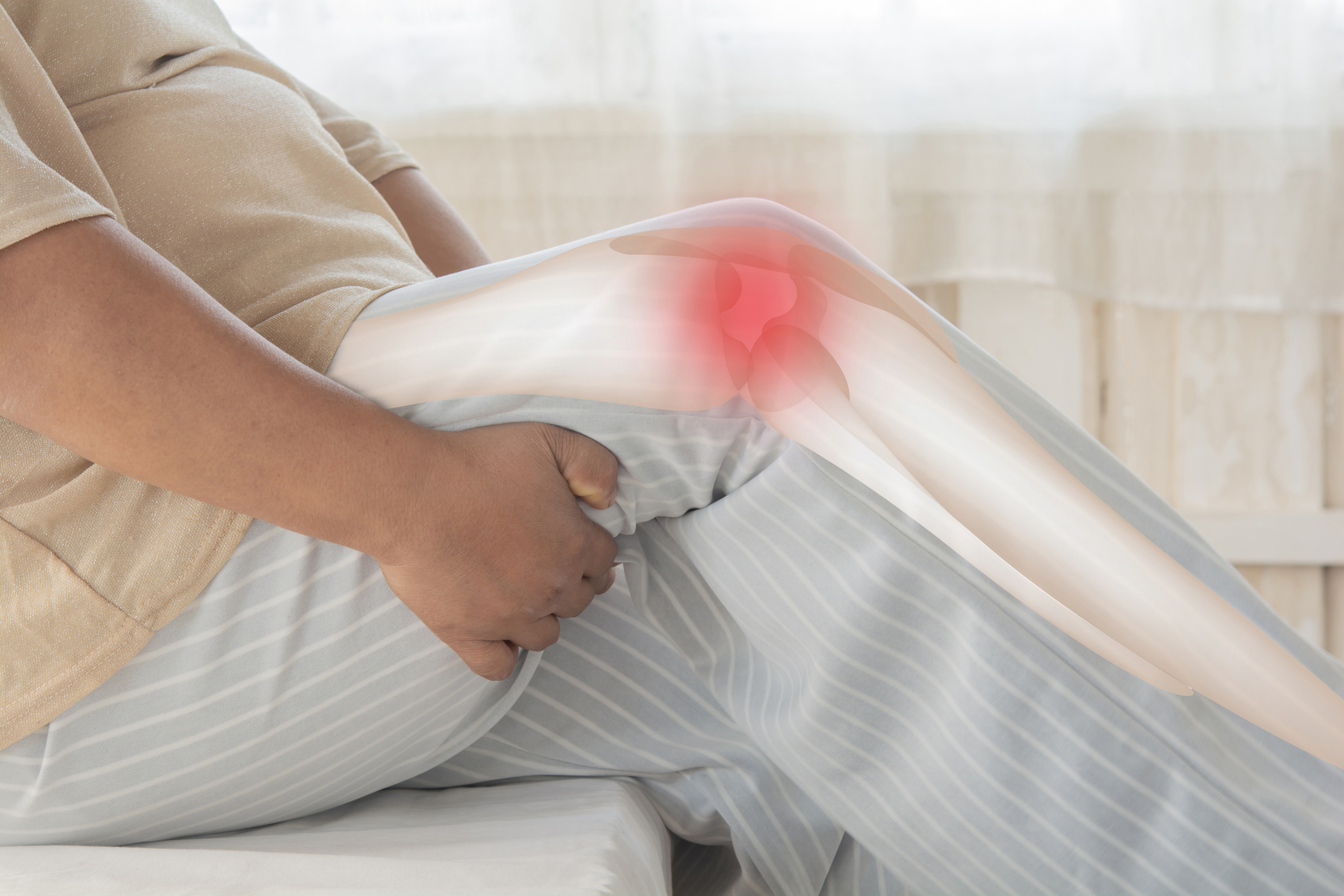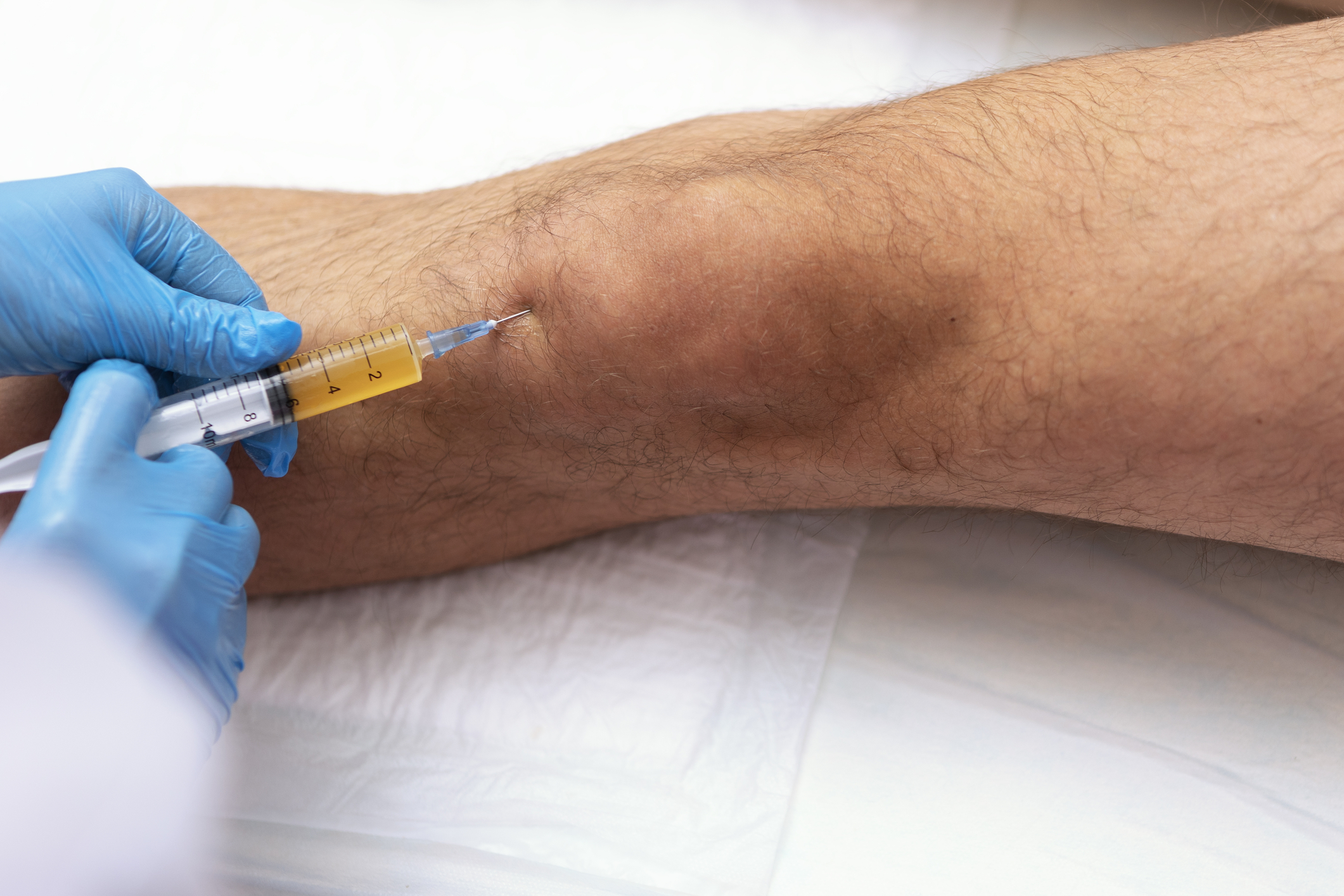

Chronic joint pain can feel like a catch-22. Moving too much could cause a flare-up and worsen your pain. But whether you have arthritis, fibromyalgia, an old injury or any other condition that causes joint pain, staying inactive can cause stiffness, muscle weakness and even more discomfort.
So, what’s the answer when you’re in pain and feel like staying on the couch?
The truth: safe and steady movement is one of the best things you can do for your joints, mainly your knees, hips, shoulders and hands. Your knees deserve extra attention. As one of the largest and most complex joints in the body, it’s crucial for nearly every step, bend, and twist you take.[1] Protecting your knees while keeping them moving is a priority if you want to stay mobile and independent.
Are you unsure how to stay active without exacerbating your joint pain? Here are some practical tips backed by research and expert recommendations.
Start Slow and Know Where You’re At Physically
You don’t have to be an athlete to benefit (or enjoy) exercise! If you’re new to working out or returning after a period of inactivity, the key is to start slowly and gradually increase your intensity. Even five to ten minutes of gentle activity can help loosen stiff joints and improve circulation.[2] Then, as your body adjusts, you can slowly increase your time and intensity.
A good rule of thumb: listen to your body. Some discomfort during or after movement can be normal, but sharp or worsening pain is a sign to stop and adjust your activity.[2]
Not sure where to start? Ask your doctor for exercises, obtain a physical therapy referral, or find a certified trainer with experience in chronic pain to create a safe and personalized plan tailored just for you.
Choose Low-Impact Movement to Maintain Joint Health
High-impact activities, such as running or jumping, can put stress on painful joints. Instead, focus on exercises that are easier on your knees, hips, and spine.
Examples include:
- Walking at a comfortable pace: Even short, daily walks can help improve joint flexibility and strengthen supporting muscles [3]
- Swimming or water aerobics: Water supports your body weight, taking pressure off painful joints while still giving you a full-body workout [4]
- Cycling or using a stationary bike: This helps improve knee and hip motion without the pounding of running [5]
- Gentle strength training: Building the muscles around your joints provides stability and reduces strain [6]
- Stretching or yoga: Improving flexibility helps maintain range of motion and decreases stiffness [7]
How to Make Exercise Easier, Safer and Enjoyable
Staying active with joint pain doesn’t have to feel like a chore. With a few clever tweaks, you can make movement more comfortable and even fun:
- Warm up with heat: A heating pad or warm shower before you get moving can loosen stiff joints and muscles, making exercise feel smoother from the start.
- Sip, sip, hooray: Staying hydrated helps your muscles work at their best and prevents those pesky cramps.
- Think snack-sized, not supersized: Short bursts of activity add up. Two 10-minute walks can be just as effective as one more extended session.
- Journal your journey: Write down what activities you do and how you feel afterward. You’ll spot patterns and celebrate progress along the way.
- Buddy up: Everything’s better with a friend. Having a workout partner keeps you motivated, accountable, and may even help you laugh while you move.
Protect Joints During Exercise and Workouts
Knees do a great deal of heavy lifting for your body, so keeping them protected during exercise is crucial.
You can lower joint stress with a few simple strategies:
- Maintain a healthy weight, which reduces unnecessary pressure on the knees [1]
- Footwear matters. Wear supportive shoes with cushioning to absorb shock and improve alignment [1]
- Use assistive devices when needed, such as walking poles or braces, to relieve stress during activity [8]
- Vary your activities to avoid repetitive strain. Alternate between activities like walking, biking, and water workouts [9]
You’re Not Alone: Build a Joint Care Support Team
Managing chronic joint pain isn’t something you have to do alone. Your healthcare team, which includes your pain management specialist, physical therapist, and primary care physician, can create an exercise plan tailored to your specific needs.[10] They can also recommend devices or modifications that make staying active safer and easier.
The Big Picture: Exercise Isn’t Just for Your Joints
Exercise delivers more than just lubricated joints! Staying active improves your heart health, reduces fatigue, supports mental well-being, and even lowers the risk of chronic diseases such as diabetes and high blood pressure.[2] For individuals with arthritis, research suggests that regular, appropriate exercise can effectively alleviate joint pain and improve overall quality of life.[11]
Keep Your Joints Moving for Pain Relief and Better Mobility
When you’re living with chronic joint pain, staying active may feel challenging, but movement is medicine. Your pain management team can offer interventional options to reduce pain so you can get moving. But start slow, protect your joints (especially your knees), and find low-impact activities that you enjoy. Consider inviting your family or a favorite person to embark on a joint wellness journey with you.
With the right approach and a supportive medical team, exercise can help you feel stronger, reduce pain, and give you more control over your daily life.
Disclaimer: Mild soreness after a new activity is regular, but exercise should never cause sharp pain or concerning symptoms. Stop and consult a healthcare professional if you experience severe pain, significant swelling, dizziness, shortness of breath, or persistent or worsening pain that lasts for several days. This information is for educational purposes only and is not a substitute for professional medical advice.
Resources:
- Dunkin MA. 10 Tips for Healthy Knees and Strong Joints as You Age. Arthritis Foundation [Internet]. Accessed September 22, 2025. Available from: https://www.arthritis.org/health-wellness/healthy-living/managing-pain/joint-protection/tips-for-healthy-knees
- Mayo Clinic Staff. Exercise and chronic disease: Get the facts. Mayo Clinic [Internet]. Accessed September 22, 2025. Available from: https://www.mayoclinic.org/healthy-lifestyle/fitness/in-depth/exercise-and-chronic-disease/art-20046049
- Klein S. Exercises to relieve joint pain. Harvard Health Publishing Harvard Medical School [Internet]. Accessed September 22, 2025. Available from: https://www.health.harvard.edu/exercise-and-fitness/exercises-to-relieve-joint-pain
- Erickson J, Jagim A. Staying active with joint pain. Mayo Clinic Health System [Internet]. Published April 27, 2022. Accessed September 22, 2025. Available from: https://www.mayoclinichealthsystem.org/hometown-health/speaking-of-health/staying-active-with-joint-pain
- Merkle SL, Sluka KA, Frey-Law LA. The interaction between pain and movement. J Hand Ther [Internet]. 2020;33(1):60-66. doi:10.1016/j.jht.2018.05.001 Accessed September 22, 2025. Available from: https://pmc.ncbi.nlm.nih.gov/articles/PMC6335190/
- Cooney JK, Law RJ, Matschke V, et al. Benefits of exercise in rheumatoid arthritis. J Aging Res [Internet]. 2011;2011:681640. Published 2011 Feb 13. doi:10.4061/2011/681640. Accessed September 22, 2025. Available from: https://pmc.ncbi.nlm.nih.gov/articles/PMC3042669/
- Guglielmo D, Murphy LB, Theis KA, et al. Walking and Other Common Physical Activities Among Adults with Arthritis – United States, 2019. MMWR Morb Mortal Wkly Rep [Internet]. 2021;70(40):1408-1414. Published 2021 Oct 8. doi:10.15585/mmwr.mm7040a3 Accessed September 22, 2025. Available from: https://pmc.ncbi.nlm.nih.gov/articles/PMC8519272/
- Weaver CH. Arthritis – Assistive Devices & Occupational Therapy. The Arthritis Connection [Internet]. Updated October 2021. Accessed September 22, 2025. Available from: https://www.thearthritisconnection.com/rheumatoid-arthritis/assistive-devices-occupational-therapy
- Don’t Let Chronic Pain Keep You from Exercising. Hospital for Special Surgery (HSS) [Internet]. Published August 30, 2021. Accessed September 23, 2025. https://www.hss.edu/health-library/move-better/exercise-for-chronic-pain
- Zeng CY, Zhang ZR, Tang ZM, Hua FZ. Benefits and Mechanisms of Exercise Training for Knee Osteoarthritis. Front Physiol [Internet]. 2021;12:794062. Published 2021 Dec 16. doi:10.3389/fphys.2021.794062 Accessed September 22, 2025. Available from: https://pmc.ncbi.nlm.nih.gov/articles/PMC8716769/
- Sandmeier RH. Osteoarthritis and Exercise: Does Increased Activity Wear Out Joints?. Perm J. 2000;4(4):26-28. Accessed September 22, 2025. Available from: https://pmc.ncbi.nlm.nih.gov/articles/PMC6220608/