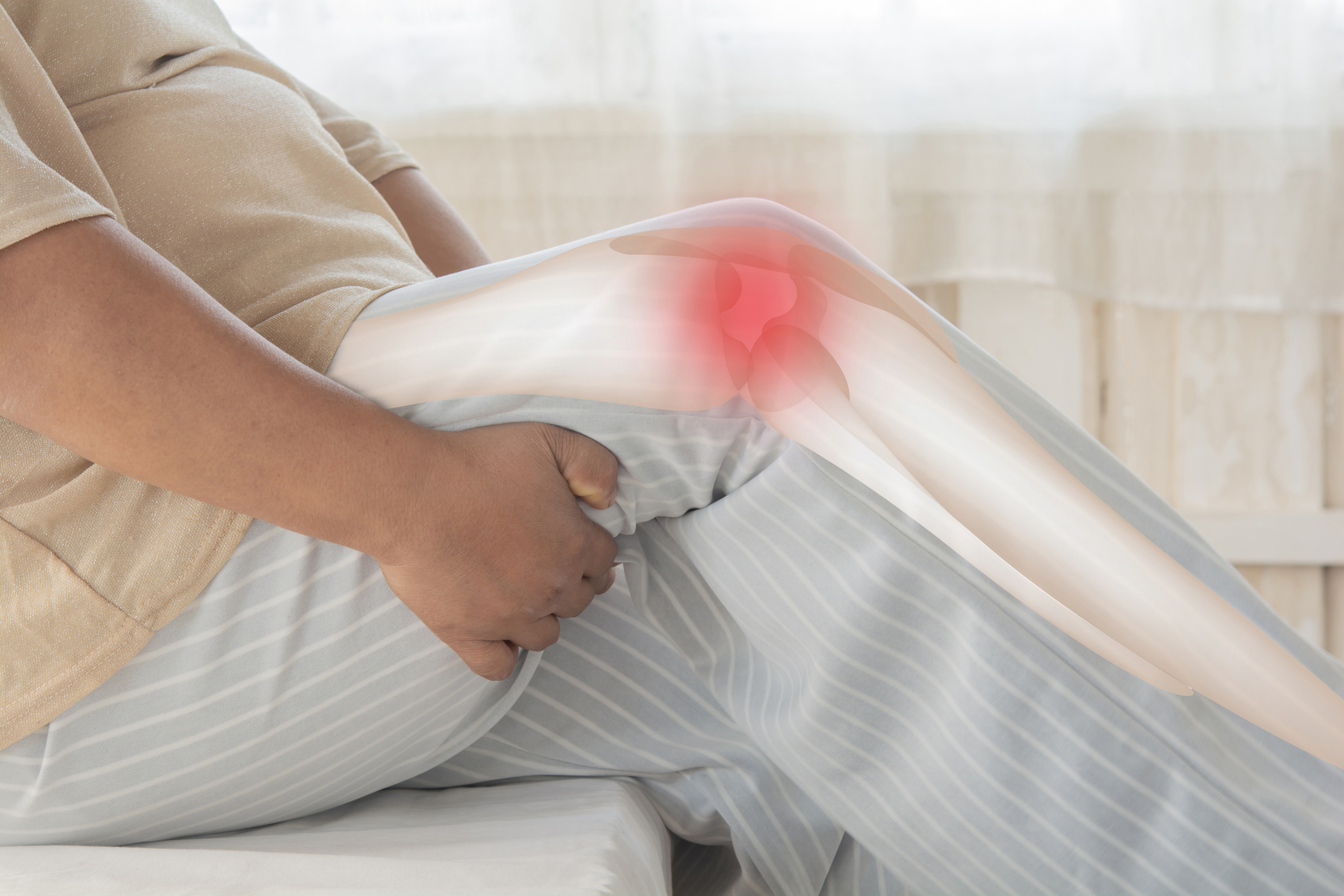

If you’ve been living with chronic pain, you’re probably already aware that flares are part of the ride—and not the fun kind. One minute, your condition is status quo, and the next, your pain is cranked up to eleven. You may miss work, cancel plans, draw your curtains, crawl into bed, and wait for the flames of your chronic pain to burn themselves out.
Much to your dismay, chronic pain often dictates your life, and when you’re hurting, it feels impossible to participate in your own life. Let’s talk about what chronic pain flare-ups are and how to handle them without letting them totally derail your life.
So, What Is a Flare-Up, Exactly?
A flare-up is a temporary increase in pain that’s more intense than your usual daily pain and may start without warning.[1] It might last a few hours, several days, or even longer.[2] Flares can be tough to cope with, challenging to treat, and can happen even if you have a solid pain management plan in place.[3]
Short-term increases in pain intensity are common with chronic conditions like fibromyalgia, arthritis, migraines, or chronic low back pain. They’re overwhelming, often affecting your mood and limiting your ability to keep up with important daily activities.[4] The good news is that they are not usually a sign that your condition has worsened.
What Causes Sudden Pain Increases?
Flare-ups can be unpredictable—but sometimes, you can feel one coming on, especially if you’ve been burning the candle at both ends, feeling run-down, tired, or just off.
Some common flare triggers include:
- Physical overexertion or fatigue (like doing more than your body’s used to) [2]
- Stress or anxiety [4]
- Weather changes (yes, barometric pressure shifts really can affect pain!) [5]
- Injury or trauma (especially to the already affected area) [5]
- Infection or illness [5]
- Dietary changes [5]
- Allergies or inflammation [5]
- Poor sleep and exhaustion [5]
- Skipping medication or therapy [5]
- Psychological factors (social withdrawal, emotional distress, or depression) [5]
Some chronic conditions are more prone to flare-ups than others, such as rheumatoid arthritis, lupus, fibromyalgia, migraines, and chronic low back pain.
How to Manage and Minimize Flare-Ups
You can’t always prevent a flare-up, but you can manage it better.
- Keep moving! Take it easy, but try to avoid total bed rest unless recommended. Modified exercises and gentle movements, such as stretching or walking, can help reduce stiffness.
- Use heat or cold therapy. A heating pad or a warm bath can help ease muscle pain, while ice packs can help reduce inflammation.[1]
- Practice mindfulness or deep breathing. These techniques can help calm your nervous system and reduce stress-related pain triggers. Studies show mindfulness meditation can reduce pain intensity and improve coping. [6]
- Adjust your meds or therapies as needed. Always consult with your healthcare provider before making any changes.
- Track your triggers. Keeping a pain diary helps you spot patterns and avoid things that may lead to flare-ups.
- Prioritize tasks. Do what needs your attention right now, and you can catch up when you feel better.[1].
- Pace your activities. Pace yourself, whether it’s activities, work, household chores, or exercise. Rest when necessary and avoid overexertion.[1]
- Swap negative self-talk for positive affirmations. Remember, this will pass. You’ve handled flares before—you can do it again. The pain spike is temporary, and you’ll get back to feeling more like yourself soon.[3]
Create Your Own Pain Surge Management Plan
Having a go-to plan helps you feel more in control. Write down what works for you: which meds to take, when to rest, who to call for help, what meals are easy on rough days, your favorite distractions to keep your mind off the pain, etc.[3] Knowing you have a strategy to manage your symptoms can make flare-ups less intimidating.
When Flare-Ups Become Setbacks
Chronic pain means there are good days and bad days. If you find flare-ups lasting longer, happening more often, or stopping you from doing daily tasks, that’s more than just a bad day. They are less common than flares but often happen because of events out of your control, including your condition progressing or your current pain plan not working.[4]
When to Call in a Pain Management Specialist
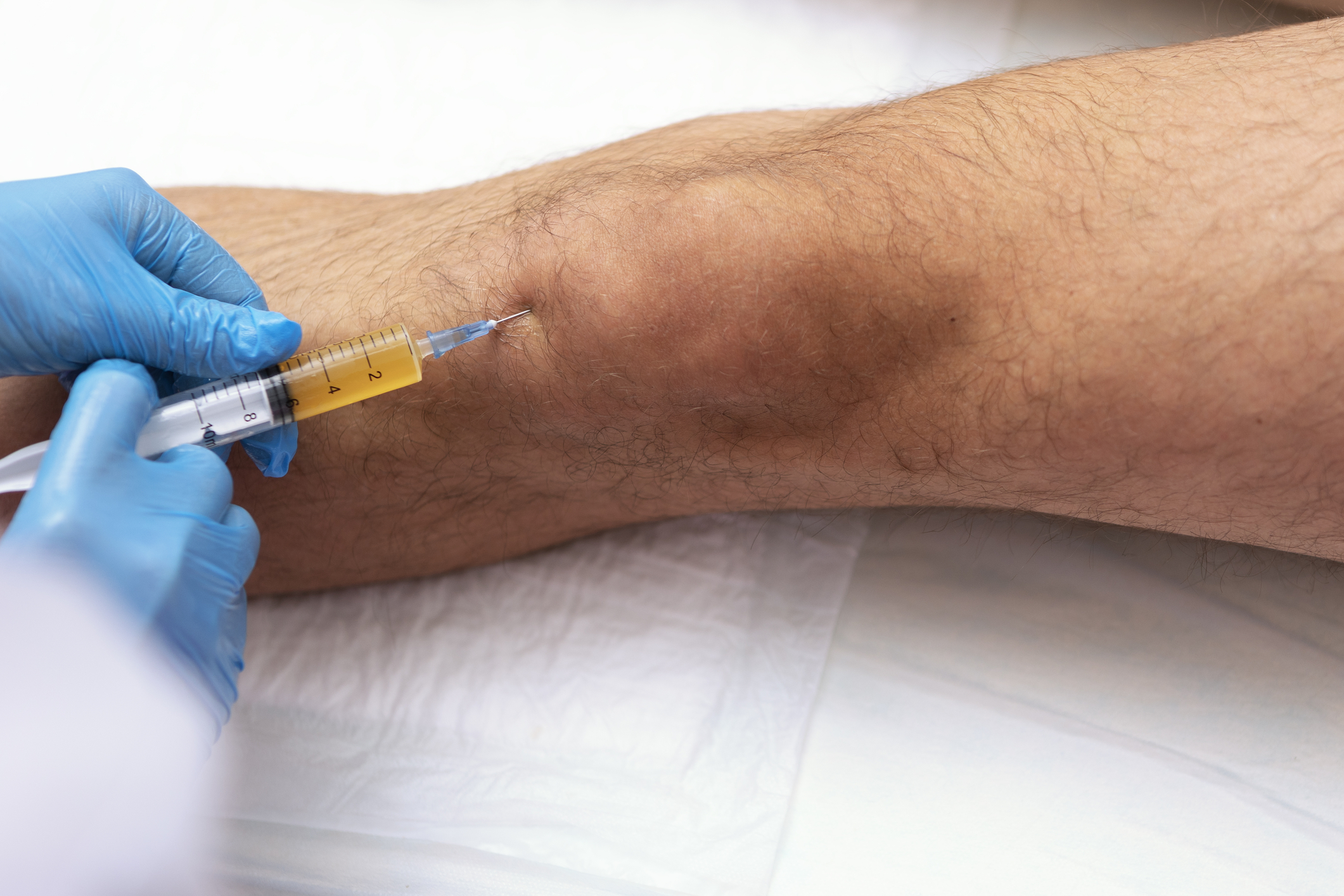
If pain flare-ups are taking over your life or your usual self-care routine isn’t enough, it’s time to see a pain specialist. They can offer advanced options, such as nerve blocks, injections, spinal stimulators, or supportive therapies like physical therapy and talk therapy. If you don’t already have a flare-up plan, call your provider at the first sign—adjusting treatment early can make a big difference.
Tracking your flares in a pain diary can help spot patterns and fine-tune your care. Not every flare requires medical attention, but it may indicate that your current plan is insufficient if they occur frequently.
Be kind to yourself on tough days, note what works (and what doesn’t), and look back to see if a trigger stands out when you’re ready. The more you learn from your pain surges, the more power you and your specialist have to manage them next time.
Just because flare-ups are part of chronic pain conditions, that doesn’t mean you have to “tough it out”. With the right tools, strategies and support, flare-ups can be something you manage rather than something that manages you.
Resources:
- Coping with a flare-up of chronic pain. NHS Inform [Internet]. Accessed March 31, 2025. Available from: https://www.nhsinform.scot/illnesses-and-conditions/brain-nervs-and-spinal-cord/chronic-pain/coping-with-a-flare-up-of-chronic-pain/
- López Martín R. Types of pain. The flare-up, a new entity? Multidisciplinary Pain Journal [Internet]. 2024;4:94 -99. DOI: 10.20986/mpj.2024.1077/2024. Accessed March 31, 2025. Available from: https://www.mpainjournal.com/tipos-de-dolor-el-dolor-reagudizado-flare-up-una-nueva-entidad1209
- Mirgain SA, Singles J. A Pain Flare Management Plan: Suggestions to Offer Patients. U.S. Department of Veteran Affairs [Internet]. Published 2014, updated 2016. Accessed March 31, 2025. Available from: https://www.va.gov/WHOLEHEALTHLIBRARY/tools/a-pain-flare-management-plan-suggestions-to-offer-patients.asp
- Flare-up and setback management – Patient information A-Z. NHS – Cambridge University Hospitals [Internet]. Published 2024. Accessed March 31, 2025. Available from: https://www.cuh.nhs.uk/patient-information/flare-up-and-setback-management/
- What Triggers an Arthritis Flare? Arthritis Foundation [Internet]. Accessed March 31, 2025. Available from: https://www.arthritis.org/health-wellness/healthy-living/managing-pain/pain-relief-solutions/what-triggers-an-arthritis-flare
- Zeidan F, Martucci KT, Kraft RA, Gordon NS, McHaffie JG, Coghill RC. Brain Mechanisms Supporting the Modulation of Pain by Mindfulness Meditation. Journal of Neuroscience [Internet]. 2011;31(14):5540-5548. doi:https://doi.org/10.1523/jneurosci.5791-10.2011. Accessed March 31, 2025. Available from: https://www.jneurosci.org/content/31/14/5540