
Platelet-rich plasma (PRP) therapy has gained traction as a cutting-edge treatment for various medical conditions in recent years. It’s routinely used in sports medicine and the cosmetology industry[1] because it’s minimally invasive and rarely causes side effects.[2] PRP harnesses the body’s natural healing abilities to promote tissue repair and regeneration, making it a popular alternative to invasive surgeries.[1]
Let’s examine how PRP helps patients, the conditions treated, candidacy criteria, and where to find PRP injections.
What is Platelet-Rich Plasma (PRP)?
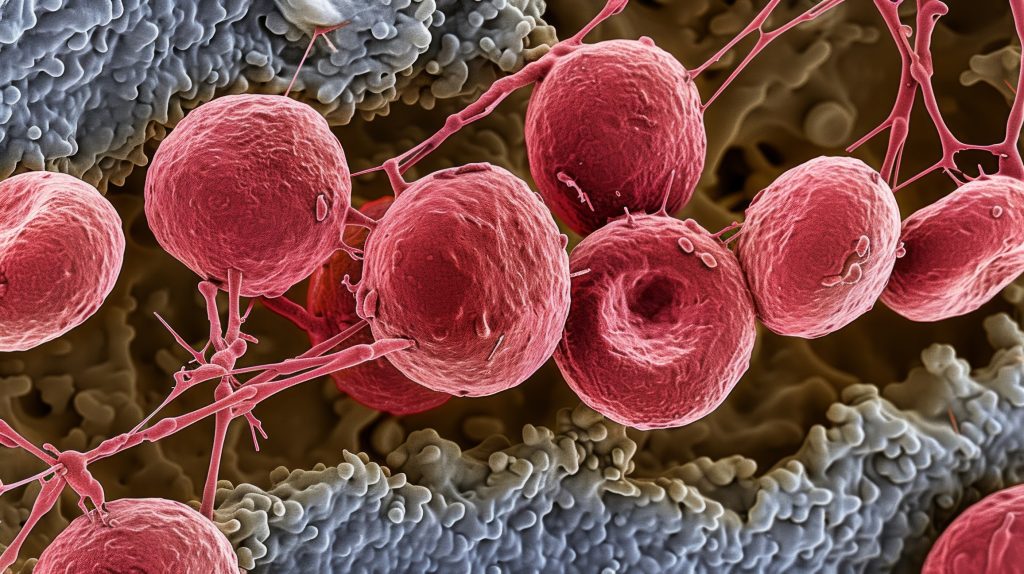
Platelet-rich plasma is used to help heal injuries and wounds after surgery or trauma.[3] It uses your own blood cells to make a healing liquid that is injected at the affected site.[3] Platelet blood cells are essential for tissue repair as they contain growth factors and proteins that speed healing.[4] They are also responsible for clotting to stop bleeding, which is crucial after surgeries and traumatic injuries.[5]
A small amount of blood is drawn and placed in a centrifuge to create your PRP injection. The centrifuge spins the blood at high speeds, separating platelets and plasma from red and white cells and concentrating the platelets.[4] The concentrated platelet liquid is called platelet-rich plasma (PRP) and, once correctly prepared, is injected into the target area to accelerate healing and tissue regeneration.[4]
What Conditions Respond Well to PRP Treatment?
PRP injection therapy is effective in treating a variety of orthopedic injuries, medical conditions and post-surgical issues.
Some of the most commonly treated conditions include:
- Chronic pain conditions [5]
- Joint instability [5]
- Arthritis [5]
- Carpal Tunnel Syndrome [5]
- Sprains and strains [5]
- Tennis elbow [1]
- Jumper’s knee [1]
- Post-surgical healing [1]
- Torn tendons [3]
- Tendinitis [3]
- Muscle injuries [3]
- Golfer’s elbow [3]
- Neck and back pain [2]
- Cartilage, ligament and tendon injuries [2]
Am I a Candidate for PRP Injections?
You may benefit from PRP injections if your chronic musculoskeletal pain or injuries have not responded well to conventional treatments. PRP therapy is ideal if you are seeking a non-surgical option to improve healing, reduce pain and increase mobility.
PRP is an excellent alternative to more invasive treatments but is not suitable for everyone. You may not be a candidate for PRP injections if you have the following medical conditions:
- Blood dyscrasia [2]
- Thrombocytopenia [2]
- Sepsis [2]
- Anemia [2]
- Cancer [2]
- Abnormal platelet function or a low platelet count [3]
Because the treatment uses your blood, the risk of an allergic reaction is significantly reduced compared to other injectable medications.[1] Despite the reduced risk of side effects, you should still discuss the benefits and potential risks with your healthcare provider.
Where Can I Receive PRP Therapy?
If you feel PRP therapy is right for you, find a reputable pain management clinic with experience in this treatment. Many pain clinics offer PRP injections, combining their expertise in chronic pain management with advanced regenerative medicine techniques. Look for a clinic that staffs healthcare providers experienced in PRP treatments, as the success of this high-quality regenerative therapy relies mainly on the skill and knowledge of the practitioner.
No matter which clinic you visit, they must follow proper PRP preparation and administration protocols. This means using sterile techniques and ensuring the platelet-rich plasma is correctly separated and injected. Following these protocols is vital to make your treatment safe and effective.
A reputable clinic will also take a holistic approach to your PRP treatment. This approach means they will integrate other pain management strategies to increase the overall effectiveness of your PRP therapy. Before beginning any pain management protocol, your physician will thoroughly assess your health and condition to ensure PRP is right for you. Once you and your doctor agree that PRP injections are invaluable for your healing journey, you’ll be on your way toward a healthier, pain-free life.
Resources:
- Platelet-Rich Plasma (PRP) Treatment. John Hopkins Medicine[Internet]. Accessed June 26, 2024. Available from: https://www.hopkinsmedicine.org/health/treatment-tests-and-therapies/plateletrich-plasma-prp-treatment
- Platelet-Rich Plasma (PRP) Injections in Sports. Yale Medicine [Internet]. Accessed June 26, 2024. Available from: https://www.yalemedicine.org/conditions/platelet-rich-plasma-injections
- Pagán CN. Platelet-Rich Plasma Injections. WebMD [Internet]. August 20, 2021. Accessed June 26, 2024. Available from: https://www.webmd.com/fitness-exercise/platelet-rich-plasma-injections
- Platelet-Rich Plasma (PRP): Uses & Procedure Details. Cleveland Clinic [Internet]. Accessed June 26, 2024. Available from: https://my.clevelandclinic.org/health/treatments/21102-platelet-rich-plasma
- Nall R. Platelet-rich plasma therapy (PRP): Costs, side effects, and treatments. Medical News Today [Internet] November 21, 2017. Accessed June 26, 2024. Available from: https://www.medicalnewstoday.com/articles/320107