Arthritis can feel like a relentless, unwanted companion. The pain, stiffness, and swelling can make even the simplest tasks impossible. When your arthritis becomes unbearable, knowing how to best care for yourself is essential. From lifestyle changes to professional interventions, there are many ways to manage the pain and improve your quality of life.
Understanding Arthritis
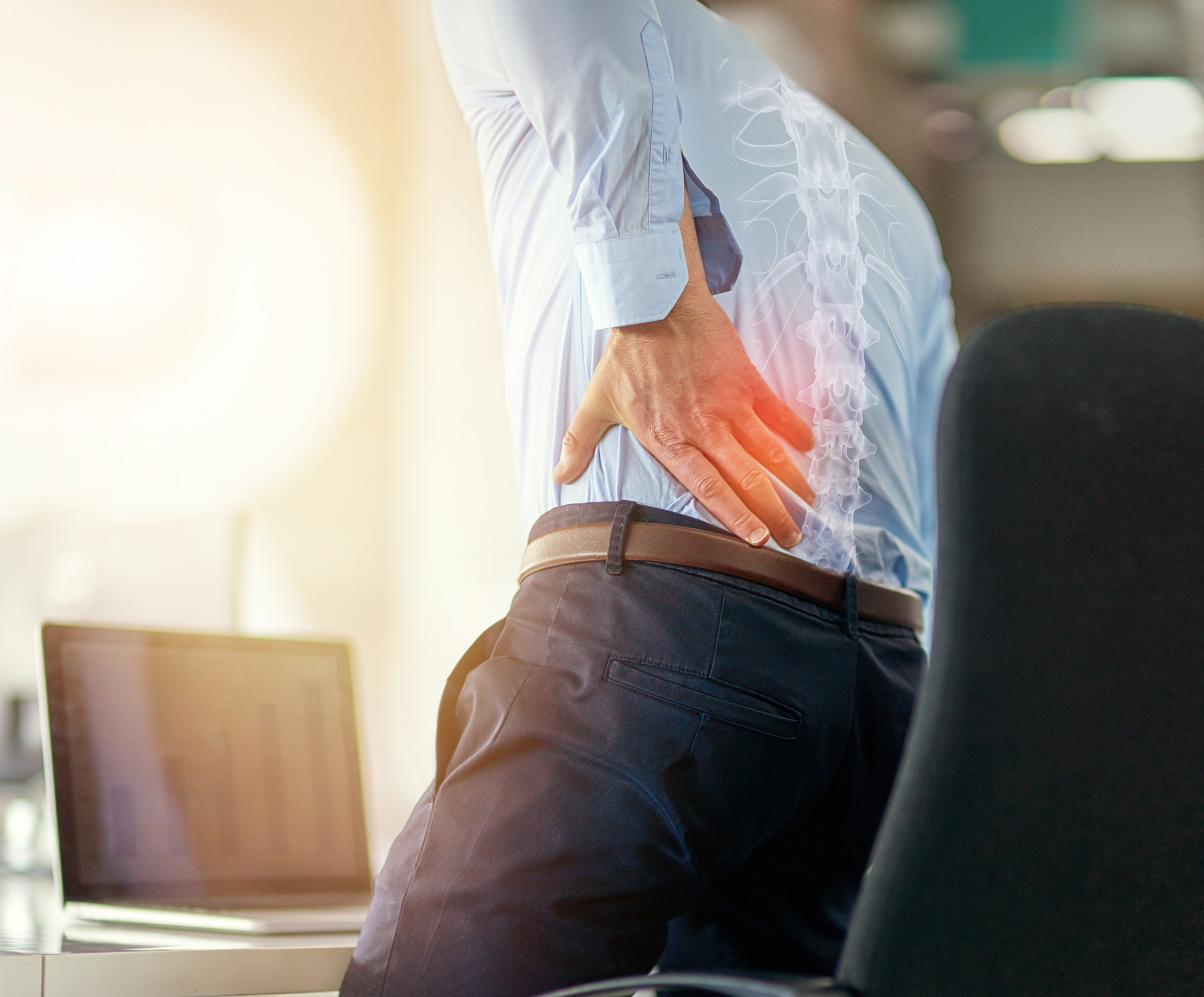
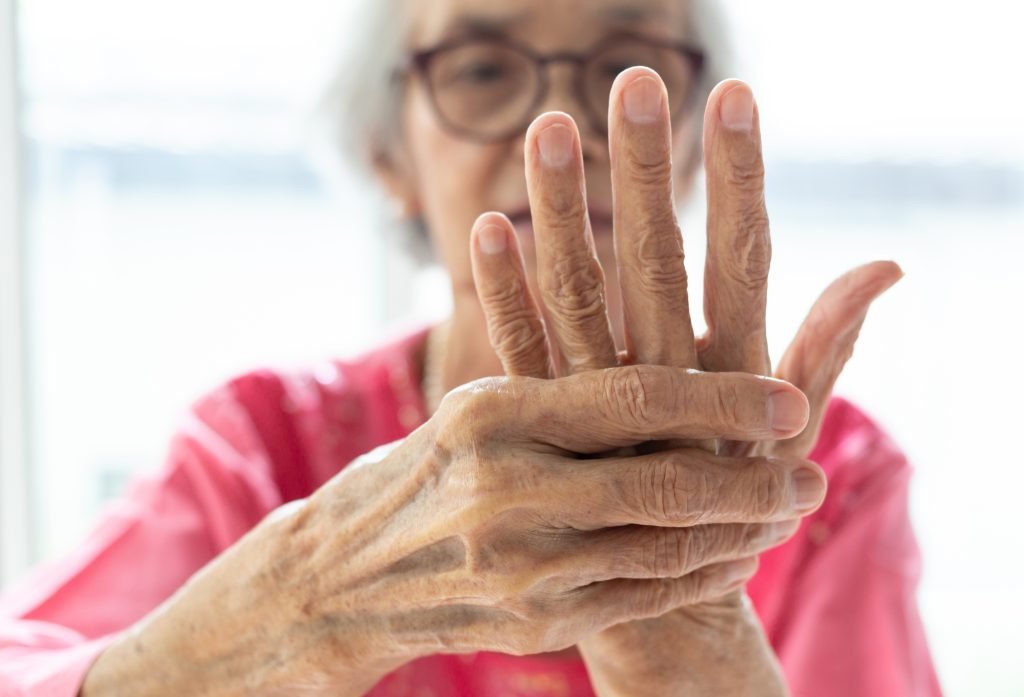
Arthritis isn’t just one condition; it’s a catch-all term for over 100 joint diseases and conditions. [1] According to the NIH, “arthritis” means “joint inflammation.” [2] Arthritis may affect hands, feet, knees, hips, back, neck and more.
The most common are osteoarthritis (OA) and rheumatoid arthritis (RA). OA is due to wear and tear, while RA is an autoimmune disease where the immune system attacks the joints.[1] Most arthritis causes are unknown, but genetics, lifestyle, age, and gender play a significant role.[1]
Knowing what type of arthritis you have can guide your treatment options.
Immediate Steps to Take to Ease Arthritis Pain
The Arthritis Foundation says when arthritis pain flares up, there are a few immediate steps you can take to ease joint pain and reduce inflammation:
- Rest and protect your joints from overuse
- Apply heat or cold to relax muscles and reduce pain.
- Take over-the-counter medications like acetaminophen (Tylenol) or NSAIDs like ibuprofen (Advil or Motrin) or naproxen (Aleve).
Always consult your doctor before starting any medication. If your arthritis pain worsens, discuss a pain management plan with your doctor.
Everyday Arthritis Pain Management
Taking care of your body and what goes into it can have a positive effect on your pain, as well as your physical and mental well-being.
Maintain a Healthy Weight
Being overweight stresses joints and worsens arthritis pain.[3] Eating healthy and losing weight reduces chronic pain, prevents injury and increases flexibility, especially in the knees and hips.[4]
Stay Active
Daily movement keeps muscles around your joints strong and stable, reducing inflammation, stiffness and pain by lubricating joints.[5] People living with arthritis need at least 150 minutes of activity per week.[6] Low-impact exercises, strength training and fitness classes help reduce pain and improve mobility.[6] Other arthritis-friendly activities include swimming, water aerobics, walking and yoga.[7]
Quit Smoking
Connective tissue is damaged by smoking tobacco products, making arthritis pain worse.[3]
Eat an Anti-Inflammatory Diet
What you eat can directly affect your inflammation and pain. Eating anti-inflammatory and whole, unprocessed foods may help reduce inflammation, swelling, joint stiffness and pain related to arthritis.[8]
Mind-Body Techniques
Practices like yoga, tai chi, journaling and meditation can help you manage pain by reducing stress and improving your mental well-being.[3]
Pain Management Treatments for Chronic Arthritis Pain
When arthritis pain is chronic and intolerable, seeing a pain management doctor can be a game-changer. These specialists offer a range of non-surgical treatments designed to manage pain and improve function. Here are some options they might recommend:
Medication
Besides OTC and prescription NSAIDs, pain management specialists might prescribe other medications like antidepressants, anticonvulsants, SSRIs, corticosteroids and topical products.[9]
Occupational & Physical Therapy
Tailored exercises can strengthen the muscles around your joints, improve flexibility, improve posture and reduce pain.[10] An occupational therapist can teach you how to move in ways that minimize stress on your joints.[1]
Spinal & Joint Injections
Corticosteroid and anesthetic injections directly into the joint can relieve inflammation and pain. [9] Hyaluronic acid injections may improve joint function by providing lubrication and reducing friction and inflammation within joints.[8]
Nerve Blocks
The different types of nerve blocks control pain, diagnose pain sources and prevent pain during procedures.[11] Nerve blocks are ideal for arthritis patients with severe pain as they block pain signals from reaching the brain.
Radiofrequency Neurotomy
Radiofrequency Ablation uses radio waves to heat nerve tissue, destroying its ability to send pain signals.[12] It is minimally invasive, requires few recovery restrictions and can relieve arthritis sufferers from severe pain for six to 12 months or more.[12]
Arthritis can be overwhelming, but there are many ways to manage the pain and maintain your quality of life. By combining immediate pain relief strategies, professional treatments, and lifestyle changes, you can take control of your arthritis. Always consult with healthcare professionals to tailor a treatment plan for you.
Remember, you don’t have to face arthritis alone. Seek support from friends, family, and arthritis support groups to share experiences and coping strategies.
Resources:
- WebMD Editorial Contributors. Understanding Arthritis: Causes, Symptoms, Diagnosis, and Treatment. WebMD [Internet]. November 2002. Reviewed June 30, 2023. Accessed May 24, 2024. Available From: https://www.webmd.com/arthritis/understanding-arthritis-treatment
- NIAMS Health Information on Arthritis. National Institute of Arthritis and Musculoskeletal and Skin Diseases [Internet]. April 11, 2019. Accessed May 24, 2024. Available from: https://www.niams.nih.gov/health-topics/arthritis
- Mayo Clinic Staff. Arthritis pain: Do’s and don’ts. Mayo Clinic. 2017. Updated September 20, 2023. Accessed May 24, 2024. Available from: https://www.mayoclinic.org/diseases-conditions/arthritis/in-depth/arthritis/art-20046440
- Branch NSC and O. Living With Arthritis: Health Information Basics for You and Your Family. National Institute of Arthritis and Musculoskeletal and Skin Diseases. November 30, 2021. Accessed May 24, 2024. Available from: https://www.niams.nih.gov/community-outreach-initiative/understanding-joint-health/living-with-arthritis
- Bartlett S. Role of Exercise in Arthritis Management. Johns Hopkins Arthritis Center [Internet]. 2016. Accessed May 24, 2024. Available from: https://www.hopkinsarthritis.org/patient-corner/disease-management/role-of-exercise-in-arthritis-management/
- Living with Severe Joint Pain. Center for Disease Control (CDC) [Internet]. October 12, 2021. Accessed May 24, 2024. Available from: https://www.cdc.gov/arthritis/communications/features/living-with-joint-pain.html
- 4 Tips for Managing Chronic Pain. Arthritis Foundation [Internet]. Accessed May 24, 2024. Available from: https://www.arthritis.org/health-wellness/healthy-living/managing-pain/pain-relief-solutions/4-tips-for-managing-chronic-pain
- Vad V. 5 Proven Strategies for Relieving Arthritis Pain. Arthritis-health [Internet]. Updated Match 22, 2019. Accessed May 24, 2024. Available from: https://www.arthritis-health.com/blog/proven-strategies-relieving-arthritis-pain
- van Laar M, Pergolizzi JV, Mellinghoff HU, et al. Pain Treatment in Arthritis-Related Pain: Beyond NSAIDs. The Open Rheumatology Journal. 2012;6:320-330. Accessed May 24, 2024. doi:https://doi.org/10.2174/1874312901206010320 Available from: https://www.ncbi.nlm.nih.gov/pmc/articles/PMC3527878/
- Fight Arthritis Pain Without Pills. Arthritis Foundation [Internet]. Accessed May 24, 2024. Available from: https://www.arthritis.org/health-wellness/healthy-living/managing-pain/pain-relief-solutions/fight-arthritis-pain-without-pills
- WebMD Editorial Contributors. Pain Management and Nerve Blocks. WebMD [Internet]. Reviewed Match 13, 2024. Accessed May 24, 2024. Available from: https://www.webmd.com/pain-management/nerve-blocks
- WebMD Editorial Contributors. Radiofrequency Ablation for Arthritis Pain. WebMD [Internet]. December 4, 2003. Reviewed April 21, 2022. Accessed May 24, 2024. Available from: https://www.webmd.com/arthritis/radiofrequency-ablation