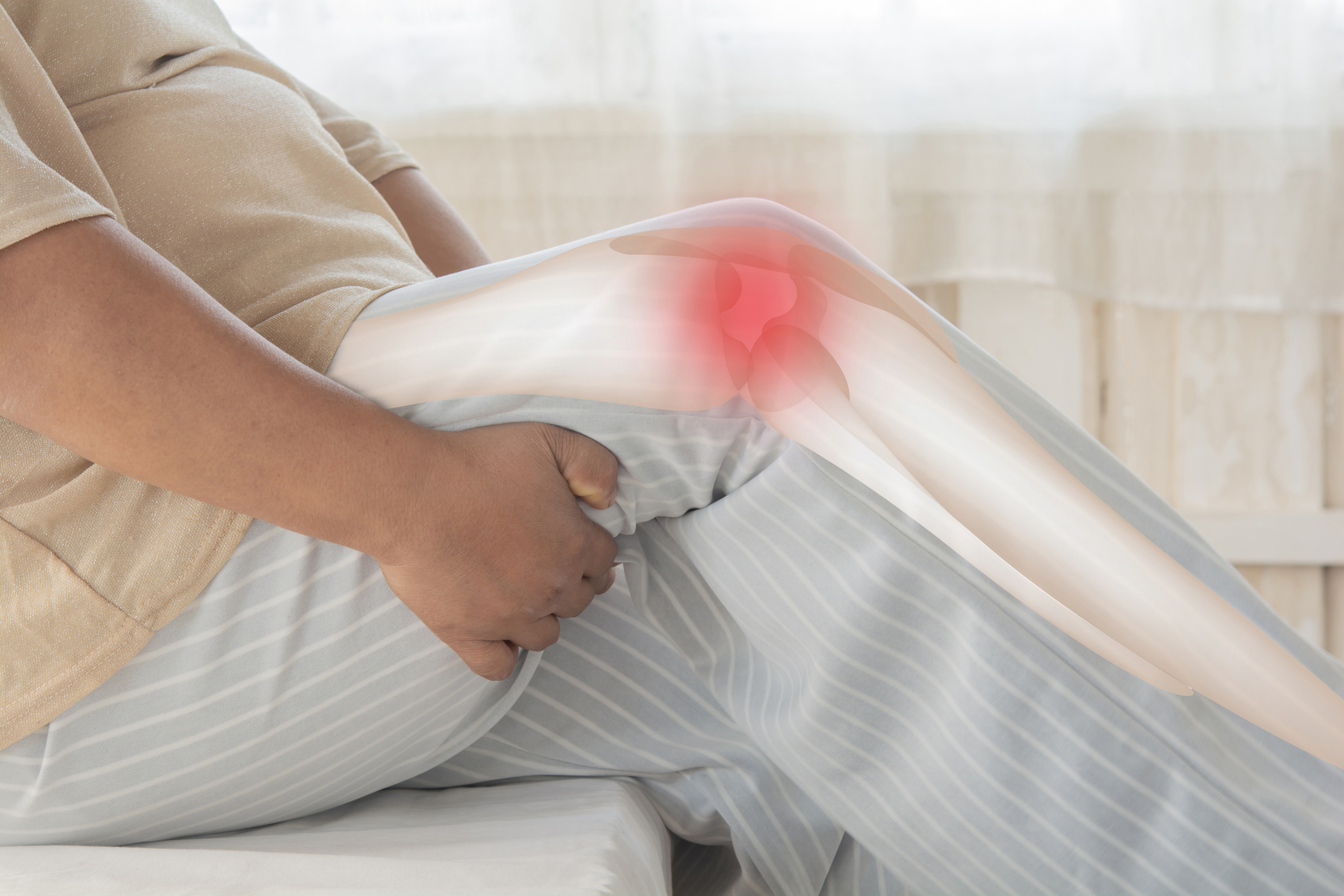
Living with chronic pain makes every day a challenge. For some, it’s difficult to do the basics like walk, work or sleep well. Relief often comes from pain-relieving medications. Whether you use over-the-counter (OTC) remedies or prescription medications, there are benefits and risks associated with each type.
Let’s dive into the benefits and drawbacks of common analgesics and explore safer, non-addictive alternatives for effective pain management.
Common Pain Medications
Managing chronic pain is essential for both physical and mental well-being. Effective treatment helps patients reclaim their lives, but every journey to relief is unique. From OTC pain relievers to prescription medications, understanding the benefits and risks is key to finding the safest, most effective solution for your needs.
Over-the-Counter (OTC) Pain Relievers
OTC medications are readily available without a prescription and widely used to ease mild or moderate aches and pain. They work by reducing inflammation or altering how the brain senses pain.[1] NSAIDs are ideal for treating swelling (inflammation), sprains, sore muscles, and menstrual cramps.[2] Analgesics are best for arthritis discomfort and fevers.[1] Some are also available topical for more targeted relief of sore muscles and joints.
Nonsteroidal anti-inflammatory drugs – NSAIDs
- Aspirin
- Ibuprofen (Motrin or Advil)
- Naproxen Sodium (Aleve)
Analgesics
- Acetaminophen (Tylenol)
Potential Risks and Side Effects of OTCs
Despite being available in stores, OTC pain relievers still have risks and side effects which increase with frequent use.
- Upset stomach
- Stomach ulcers
- Liver or kidney damage
- Heart or blood pressure issues
- Allergic reactions
- Drug interactions
Topical pain relievers can ease muscle and joint pain and have a lower risk of side effects than oral medications.[3] Talk to your doctor about OTCs if you have a history of stomach or heart problems. Whether using topical or oral pain relievers, always tell your doctor about your OTC medications.
Prescription Pain Medication
If your pain is severe or not adequately managed with OTC medications, your doctor may recommend prescription medications tailored to address your specific type and level of pain. According to the National Cancer Institute, these are commonly used for pain management:
- Opioids are narcotic painkillers for severe acute or chronic pain
- Prescription NSAIDs for moderate pain and inflammation relief
- Prescription Acetaminophen eases pain and reduces fever
- Muscle relaxers ease muscle spasms or tension
- Antidepressants or anticonvulsants like amitriptyline or gabapentin for nerve pain
- Corticosteroids to reduce inflammation for conditions like arthritis or back pain
Pain Medicine Risks and Side Effects
Prescription drugs are often more effective but have an increased risk of side effects. Some NSAIDs, like ibuprofen, are available in higher doses with an increased potential for side effects. Severe pain may require powerful pain relief like opioids, but these should only be used under medical supervision due to their serious side effects.[4]
- Prescription painkillers: Opioids pose a significant risk of addiction, tolerance, dependency, opioid use disorder, overdose and death.[5] Side effects include constipation, dizziness, euphoria, nausea, vomiting or respiratory depression (slowed breathing).[5]
- Nonopioid pain relief: Frequent use can cause liver or kidney damage, heart problems, nausea, upset stomach, heartburn, stomach ulcers or internal bleeding.[3]
- Antidepressants and anticonvulsants: Used for nerve pain, may cause drowsiness, dizziness, nausea, weight gain, or mood changes. [6]
- Corticosteroids: Side effects can include swelling (fluid build-up), high blood pressure, upset stomach, weight gain, mood swings or psychological effects like memory, confusion or behavioral issues.[7] Long-term use risks include eye problems, high blood sugar, infection, bone fracture, fatigue, loss of appetite, nausea, muscle weakness and thinning skin.[7]
Alternative Pain Management Options
Medication is not the only route to pain relief. Alternative pain management is effective for many patients dealing with chronic pain. Often, alternatives are used in conjunction with medication and interventional procedures for a whole-body approach. Complementary and interventional treatments can effectively treat many chronic conditions, such as arthritis, headaches, fibromyalgia, neuropathy and cancer-related pain. These methods also help ease pain and improve mobility for musculoskeletal issues, especially in the lower back, neck and knees.
Drug-Free Pain Relief
There are options to help reduce pain and increase function with the use of medication or higher doses of medications.
Ask your doctor about alternative or complementary therapies such as:
- Physical therapy
- Heat and cold therapy
- Exercise or activity
- Yoga, tai chi or qigong
- Massage therapy
- Mindfulness, meditation and relaxation techniques
- Biofeedback therapy
- Spinal manipulation (chiropractic care)
- Support groups and talk therapy
- Cognitive-behavioral therapy (CBT) [8]
- Hypnosis
- Guided imagery
- Art or music therapy
- Lifestyle changes such as weight loss, healthy eating, better sleep, increased activity and stress management
Pain Relief Alternatives
When pain relief is necessary, but you’d prefer to avoid opioids, it’s essential to be aware of your options. The NOPAIN Act 2025 is also expanding medical coverage for non-opioid therapies, safer medications and interventional pain control.
Here are a few interventional pain management options available through pain clinics:
- Nerve blocks
- Radiofrequency ablation
- Epidural steroid injections
- Facet joint injections
- Hyaluronic acid injections
- Kyphoplasty
- Trigger point injections
- Platelet-rich plasma (PRP) therapy
- Spinal cord stimulation
- Scrambler therapy
- Joint injections (e.g., shoulder, knee, or hip)
- Percutaneous disc nucleoplasty
- VIA Disc NP
Talk to Your Doctor About Safer and Healthier Pain Control Methods
Everyone experiences pain differently, so a personalized approach is essential. Pain management providers will work with you to minimize or eliminate the use of narcotics and explore safe and effective methods to manage your pain. Traditional medications can be combined with alternative therapies, interventional procedures and lifestyle changes to improve your quality of life.
Understanding your pain relief options and the risks of powerful medications empowers you to make informed healthcare decisions. With your doctor’s guidance, you can explore safe, effective treatments, including non-pharmacological options and lifestyle changes to improve your pain and overall well-being.
Resources:
- Stop Before You Pop: What You Need to Know About OTC Pain Relievers. Cleveland Clinic [Internet]. Published April 0, 2019. Accessed January 21, 2025. Available from: https://health.clevelandclinic.org/stop-before-you-pop-what-you-need-to-know-about-otc-pain-relievers
- Mayo Clinic Staff. Chronic pain: Medication decisions. Mayo Clinic [Internet]. Published December 19, 2024. Accessed January 21, 2025. Available from: https://www.mayoclinic.org/chronic-pain-medication-decisions/art-20360371
- Nania R. Hidden Dangers of Over-the-Counter Pain Relievers. AARP [Internet]. Published June 30, 2021. Updated April 11, 2024. Accessed January 21, 2025. Available from: https://www.aarp.org/health/drugs-supplements/info-2021/pain-reliever-risks.html
- Pain Relievers. MedlinePlus [Internet]. Published 2019. Accessed January 21, 2025. Available from: https://medlineplus.gov/painrelievers.html
- Opioids. Johns Hopkins Medicine [Internet]. Published October 19, 2022. Accessed January 21, 2025. Available from: https://www.hopkinsmedicine.org/health/treatment-tests-and-therapies/opioids
- Ferral K. Prescription medications for chronic pain: Benefits, risks and alternatives. Mayo Clinic Press [Internet]. Published March 14, 2024. Accessed January 21, 2025. Available from: https://mcpress.mayoclinic.org/healthy-aging/prescription-medications-for-chronic-pain-benefits-risks-and-alternatives/
- Mayo Clinic Staff. Prednisone and other corticosteroids. Mayo Clinic [Internet]. Published December 0, 2022. Accessed January 21, 2025. Available from: https://www.mayoclinic.org/steroids/art-20045692
- Keefe FJ, Somers TJ, Martire LM. Psychological interventions and lifestyle modifications for arthritis pain management. Rheum Dis Clin North Am [Internet]. 2008;34(2):351-368. doi:10.1016/j.rdc.2008.03.001. Accessed January 21, 2025. Available from: https://pmc.ncbi.nlm.nih.gov/articles/PMC2603303/