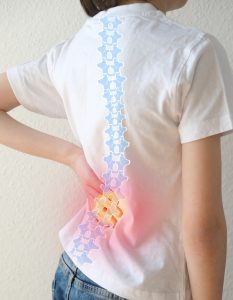
Spinal disc disease, often called degenerative disc disease (DDD), is a common cause of neck and back pain.[1] The word “disease” in the name can be confusing because it’s not a disease. DDD, or spinal disc disease, is a condition caused by wear and tear and aging that causes your spine joints to wear out.[2] While not everyone with spinal disc changes experiences pain, for those who do, effective pain management can restore quality of life.
About Spinal Disease Pain (Degenerative Disc Disease)
The discs between each vertebra act like shock absorbers, keeping your back flexible and protecting your spine. Each disc has a tough outer shell that houses your nerves.[3] Inside the disc is a soft, jelly-like substance that provides cushioning.[3] Due to age or injury, these discs can become worn or damaged; in some cases, a ruptured, slipped or herniated disc may occur.
As your spinal discs dry out, flatten or wear away, your bones can eventually rub together.[4] This spinal degeneration can happen anywhere in your back, but it’s most common in your neck (cervical spine) and lower back (lumbar spine).[5] Everyone’s spinal discs break down as part of the aging process, but DDD isn’t always painful[4]. It can cause persistent aches or sharp, shooting pain that may radiate to your arms or legs.
Disc degeneration can also be responsible for the onset of spinal osteoarthritis, adult scoliosis, spinal stenosis and spondylolisthesis.[1]
Spinal Degeneration Pain Symptoms
Degenerative disc disease causes neck and back pain that can come and go or last for weeks or months.[6] Some patients experience arm or leg numbness, similar to a pinched nerve.
According to Spine-Health, spinal disc disease or DDD symptoms can include:
Stiff neck
Cervical radiculopathy: radiating pain affecting shoulders, arms, hands and fingers
Lumbar radiculopathy: Radiating pain affecting hips, buttocks or legs
Disabling pain flare-ups
Low-grade continuous pain
Spinal instability
Pain intensifies with movement
Muscle tension or spasms
Increased pain when sitting or standing for extended periods
Spinal Disc Disease Causes and Risks
Spinal discs naturally wear down with age. For many people, noticeable disc degeneration begins to occur after age 40.
Factors and risks that may cause your discs to degenerate include:
Tears or cracks in the outer layer of the disc
Injury (accidents, sports or daily activities)
Spinal instability [1]
Inflammation [1]
Loss of fluid within the disc (drying out) [2]
Obesity [2]
Smoking [2]
Strenuous physical work or play [2]
Pain Management Treatments
The good news for individuals with spinal disc disease is that there are many ways to manage the condition, control the pain and get relief. At-home care may include OTC (over-the-counter) pain relievers, NSAIDs (nonsteroidal anti-inflammatory drugs), and heat or cold packs. Lifestyle changes can assist conventional and alternative therapies by maintaining a healthy weight and practicing good posture, whether you’re sitting, standing or working out. Staying active, strengthening your body and eating an anti-inflammatory diet can also help naturally manage your condition.
Complementary therapies can help ease your pain and keep you moving. Physical therapy, chiropractic care or acupuncture may be a beneficial part of your treatment plan. Prolotherapy and biofeedback may also help you improve your pain.[7].
Your DDD pain can be improved with a combination of complementary therapies and interventional pain management.
Your pain doctor may recommend any of the following:
Spinal cord stimulation
Scrambler therapy
Platelet-rich plasma (PRP) therapy
Kyphoplasty
Nerve blocks
Facet joint injections
Epidural steroid injections
Radiofrequency ablation
When to Consult a Myofascial Pain Specialist
Managing spinal disc disease often responds best to a multidisciplinary approach. Comprehensive pain management relies on a combination of advanced interventional treatments, physical rehabilitation and lifestyle adjustments to create a personalized care plan.
The goal is to create a strategy that not only addresses the pain and its underlying causes but also helps patients feel better emotionally, ease their pain and regain function.
If your back or neck pain persists for over a few weeks, disrupts your daily routine, or worsens, consult a pain management specialist. Early diagnosis and treatment can help prevent complications and provide relief so you can return to enjoying your life.