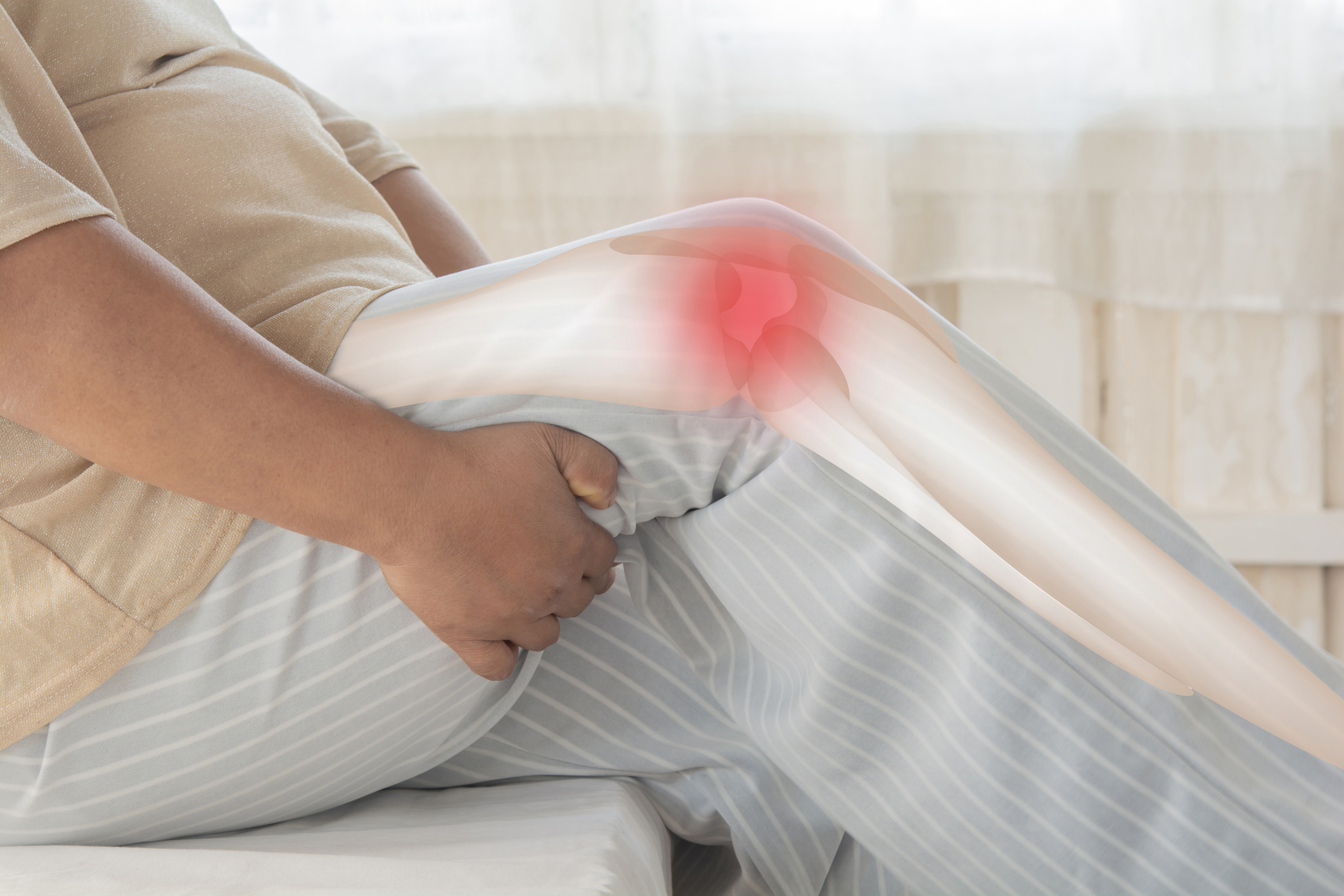

Yes! In most cases, exercise is encouraged! Chronic pain affects 1.5 billion people globally and 100 million in the United States alone.[1]. It can interfere with daily activities, affect the quality of your life and lead to a cycle of inactivity and worsening pain. Movement and exercise offer significant benefits for managing chronic pain.[2]
Will Exercise Worsen My Chronic Pain?
It’s natural to avoid exercise when you hurt or are concerned that increasing your activity level may also increase your discomfort. Initially, new movement may cause temporary pain, stiffness or soreness in the muscles and joints. However, long-term, regular exercise that is appropriate for you can help reduce pain.[3]
Benefits of Exercise as Pain Management
Increasing your activity level or incorporating an exercise regimen into your pain management plan offers multiple benefits.[4]
According to the CDC, along with improving brain function, exercise offers important advantages like[5]:
- Improved Mobility: Regular exercise can enhance flexibility and range of motion, making daily tasks like climbing stairs, carrying groceries and house cleaning easier.
- Increased Strength: Strengthening muscles around painful joints can provide better support and reduce stress in these areas.
- Better Mental Health: Exercise is known to reduce symptoms of anxiety and depression, which are common among chronic pain sufferers.
- Better Sleep: Physical activity can improve sleep patterns, which is crucial since poor sleep can worsen pain.
- Weight Management: Maintaining a healthy weight and losing extra weight can reduce joint strain and pain, particularly in conditions like arthritis.
- Reduce Health Risks: Regular exercise can help lower the risk of heart stroke, diabetes and metabolic syndrome and improve the outcome of infections like the flu and COVID-19.
- Help Manage Chronic Conditions: Regular exercise can reduce pain, improve moods and increase independence for patients with arthritis, diabetes, heart disease, and some disabilities.
Is Physical Activity Right for Me?
Studies have shown that physical movement helps chronic pain and should be part of the treatment plan.[6] Pain may make you feel like you need rest, not movement. Still, a sedentary lifestyle may make chronic pain conditions worse by increasing your risk of noncommunicable diseases.[1]
Before starting any exercise program, it’s essential to consult with your healthcare team regarding your chronic pain and any existing conditions.
Best Activities for Chronic Pain Sufferers
Exercise isn’t limited to members-only fitness centers. Workouts can be done anywhere and adapted to fit your lifestyle, limitations, and abilities.
Here are some recommended activities for those dealing with chronic pain:
- Low-Impact Aerobics: Walking, swimming, and cycling can improve cardiovascular health without excessive joint stress.[7]
- Stretching and Flexibility Exercises: Yoga and tai chi are excellent for improving flexibility, balance, relaxation and pain.[7)]
- Strength Training: Light weightlifting or resistance band exercises can build muscle strength and offer support for painful areas.[7]
- Water Aerobics: Aquatic exercises reduce the impact on joints and provide a soothing environment for painful muscles.[4]
Becoming Active Again
If you’ve never been active or it’s been a while, don’t feel discouraged despite your daily discomfort. Once you’ve received clearance from a medical professional, start slowly and progressively increase your activity levels. Simple steps like gentle stretching in the morning, short walks, or even practicing deep breathing exercises can lay the foundation for a more active lifestyle.
Remember, physical activity is not restricted to fitness classes or gym workouts. It can include chores like deep cleaning, gardening, yard work or outdoor activities. If you’re short on time, you can walk around your home or office or march in place while watching your favorite TV shows. Most movements can be modified to meet your needs, so don’t hesitate to engage in workouts or classes that don’t precisely meet your activity level.
Pain Management & Exercising with Chronic Pain
Returning to an active lifestyle can be daunting for those with chronic pain, but starting slowly and progressively increasing activity levels can make a significant difference. Pain management strategies often combine physical and occupational therapy and at-home exercise routines. Physical therapists can guide patients through exercises that safely build strength and flexibility, while occupational therapists help individuals adapt their daily activities to minimize pain and improve functionality.
The information provided above is for educational purposes only and is not intended as medical advice. Always consult with your healthcare provider before starting any new exercise program, especially if you have chronic pain or other medical conditions. Each individual’s situation is unique, and a healthcare professional can provide personalized recommendations and guidance tailored to your specific needs. If you experience any severe pain or discomfort while exercising, stop immediately and seek medical attention.
Resources:
- Ambrose KR, Golightly YM. Physical exercise as non-pharmacological treatment of chronic pain: Why and when. Best Practice & Research Clinical Rheumatology [Internet]. 2015;29(1):120-130. Accessed May 21, 2024. doi:https://doi.org/10.1016/j.berh.2015.04.022 Available from: https://www.sciencedirect.com/science/article/abs/pii/S1521694215000297
- Geneen LJ, Moore RA, Clarke C, Martin D, Colvin LA, Smith BH. Physical activity and exercise for chronic pain in adults: an overview of Cochrane Reviews. Cochrane Database of Systematic Reviews[Internet] . 2017;4(4). Accessed May 21, 2024. doi:https://doi.org/10.1002/14651858.cd011279.pub3 Available from: https://www.ncbi.nlm.nih.gov/pmc/articles/PMC5461882/
- Lima LV, Abner TSS, Sluka KA. Does exercise increase or decrease pain? Central mechanisms underlying these two phenomena. The Journal of Physiology [Internet]. 2017;595(13):4141-4150. Accessed May 21, 2024. doi:https://doi.org/10.1113/jp273355 Available from: https://www.ncbi.nlm.nih.gov/pmc/articles/PMC5491894/
- Freutel N. Exercises to Reduce Chronic Pain. Healthline [Internet]. May 30, 2017. Accessed May 21, 2024. Available from: https://www.healthline.com/health/exercises-to-reduce-chronic-pain
- CDC. Benefits of Physical Activity. Physical Activity Basics. Centers for Disease Control and Prevention [Internet]. May 10, 2024. Accessed May 21, 2024. Available from: https://www.cdc.gov/physical-activity-basics/benefits/
- Smith BE, Hendrick P, Bateman M, et al. Musculoskeletal pain and exercise—challenging existing paradigms and introducing new. British Journal of Sports Medicine [Internet]. 2018;53(14):907-912. Accessed May 21, 2024 doi:https://doi.org/10.1136/bjsports-2017-098983 Available from: https://bjsm.bmj.com/content/53/14/907
- Movement With Pain – Pain Management – painHEALTH [Internet]. Updated October 28, 2023. Accessed May 21, 2024. Available from: https://painhealth.csse.uwa.edu.au/pain-module/movement-with-pain/